
Goldman Sachs' 12,000 KOSPI target gained fresh support as a 3.34 percent opening surge, led by Samsung Electronics and SK Hynix, marked investors' return to AI-linked semiconductor stocks.
Goldman Sachs' 12,000 KOSPI target gained fresh support as a 3.34 percent opening surge, led by Samsung Electronics and SK Hynix, marked investors' return to AI-linked semiconductor stocks.
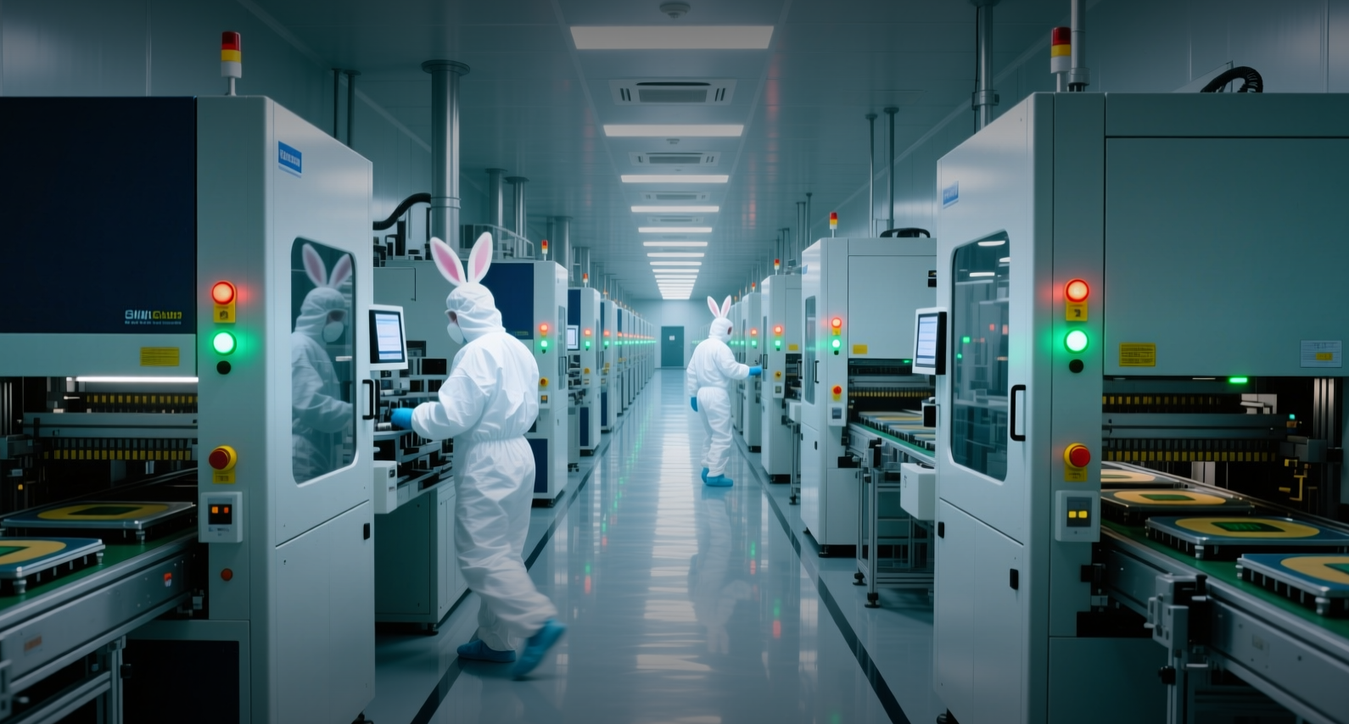
South Korea's KOSPI jumped 3.34 percent to open at 6,910.78 on Monday, leading gains across Asia as buying returned to semiconductor stocks on renewed optimism over artificial-intelligence demand.
"Despite the employment surprise on Friday, U.S. Treasury yields remained limited, and AI momentum regained attention after OpenAI's GPT-6 Astra announcement, lifting semiconductor stocks like Micron and SanDisk," Han Ji-young, a researcher at Kiwoom Securities, said.
Samsung Electronics traded at 266,750 won, up 4.4 percent, while SK Hynix climbed 6.25 percent to 1.75 million won. The KOSDAQ index opened 1.39 percent higher at 824.82, and by late morning the benchmark was up 2.97 percent at 6,886.09. SK Hynix's American Depositary Receipts had climbed more than 8 percent in New York, Park So-yeon, a researcher at Shinyoung Securities, said.
The advance hands the benchmark a fresh run at the 12,000 level Goldman Sachs has set as its target, roughly 74 percent above current prices. The next test arrives this week, when U.S. August CPI and Oracle's earnings both land on Sept. 11 and will gauge whether the AI investment cycle is holding up.
The rally followed a rebound in U.S. semiconductor names even as the three major U.S. indexes closed lower Friday. The Dow Jones Industrial Average fell 0.51 percent to 53,414.25, the S&P 500 slipped 0.38 percent to 7,718.60, and the Nasdaq Composite dropped 0.29 percent to 26,506.99. Micron rose 6.1 percent and SanDisk jumped 11.9 percent after OpenAI's GPT-6 Astra release revived expectations for AI-related demand.
August non-farm payrolls came in at 162,000, nearly three times the 55,000 consensus, yet the impact on domestic markets stayed limited. Much of the hiring came from seasonal sectors such as accommodation, food services, and local education, while hourly wage growth matched expectations at 0.3 percent month on month, easing inflation concerns. Fed funds futures still priced a September rate increase in the upper 50 percent range, according to FedWatch.
With labor-market worries easing, focus shifts to inflation. The U.S. August CPI, due Sept. 11, is forecast to rise 3.4 percent year on year, matching July, with core inflation cooling to 2.4 percent from 2.5 percent. Rising U.S.-Iran tensions could push oil prices higher and complicate the inflation path, prompting investors to hold back ahead of the release.
Oracle's results the same day will test whether AI spending is converting into revenue and cash flow, a theme that has dominated Broadcom and Nvidia earnings. Oracle shares, down more than 18 percent year to date, rebounded over 6 percent in early September on AI demand and cloud growth expectations. Analysts project the KOSPI trading in a 6,400-7,050 range this week, with volatility expected to rise toward Friday's simultaneous maturity of domestic futures and options contracts.
"This week, a series of U.S.-driven events in the latter half will intensify strategic moves in the market," Ji-Young Han, a researcher at Kiwoom Securities, said. "With sustained selling pressure on semiconductor stocks at home and abroad likely easing, it is appropriate to adopt a strategy that expects stronger market recovery momentum this week, assuming the market successfully absorbs Oracle's earnings and the August CPI data."
This article is for informational purposes only and does not constitute investment advice.
