
Oil fell for a third session as Iran-Oman talks on a Hormuz corridor unwound the geopolitical premium that has kept crude elevated for six months.
Oil fell for a third session as Iran-Oman talks on a Hormuz corridor unwound the geopolitical premium that has kept crude elevated for six months.
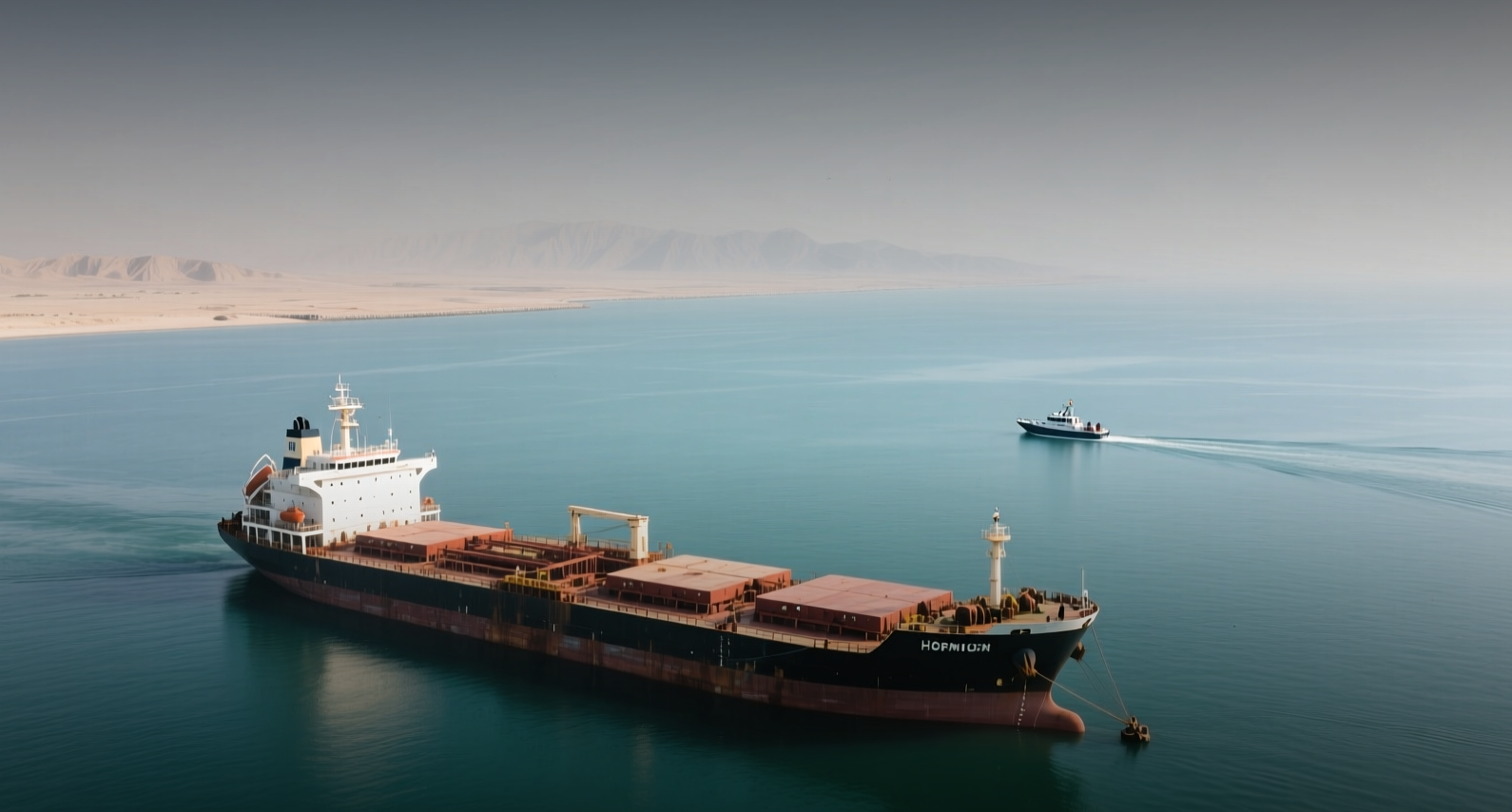
Brent crude fell 3.1 percent to $85.85 a barrel Wednesday, while WTI dropped 2.7 percent to $80.15, as Iran and Oman revived discussions on a joint temporary navigational corridor through the Strait of Hormuz.
"The market has moved from pricing a high probability of prolonged disruption and renewed escalation toward pricing partial reopening, negotiated shipping arrangements and a lower risk of renewed military confrontation," said Ole Hansen, head of commodity strategy at Saxo Bank.
Both benchmarks hit their lowest levels since August 10, extending Tuesday's losses of more than 3 percent. The two countries discussed "a joint temporary navigational corridor" through the waterway and agreed to clear it of mines, according to a joint statement carried by the Oman News Agency. Only five commodity vessels transited the strait on Tuesday, down from a 10-day average of 15, Kpler data shows.
The Strait of Hormuz handled roughly one-fifth of global oil and liquefied natural gas shipments before the U.S.-Israeli war with Iran began in February. Crude remains up about 45 percent this year, but a credible agreement that restores traffic could remove another layer of geopolitical premium from prices.
The diplomatic momentum follows Washington's Monday expansion of sanctions targeting Iran's oil-revenue networks, adding roughly 60 entities including shadow fleet vessels. Treasury Secretary Scott Bessent said countries would face a timeline to shut down links with Iran, but the absence of immediate secondary penalties tempered the market's reaction.
"There was a lot of buildup around the announcement but what we got was more a warning about where policy is heading than an immediate shock to physical supply," said Haris Khurshid, chief investment officer at Karobaar Capital. "Until secondary sanctions start changing who can buy, ship or even finance Iranian crude, traders have little reason to add another geopolitical premium."
The U.S. is also beginning to return personnel to some Middle East diplomatic missions that were evacuated or downsized, suggesting Washington sees lower risk of near-term escalation, two people familiar with the matter told Reuters. Pakistan's army chief concluded a one-day visit to Tehran that Iranian media described as yielding "valuable results," further indicating active regional diplomatic channels.
Large volumes of crude continue to transit the strait with satellite signals turned off, a practice that has kept millions of barrels per day flowing despite the conflict. Two supertankers carrying 4 million barrels of Saudi crude are bound for China after loading via ship-to-ship transfers off Oman, shipping data shows.
On the inventory front, the American Petroleum Institute reported crude stockpiles rose by about 4.2 million barrels in the week ended August 21, well above the 600,000-barrel increase analysts had estimated. Official EIA data are due at 10:30 a.m. ET Wednesday.
The last time both benchmarks fell more than 3 percent in a single session was in early August, when diplomatic channels first opened between Tehran and Muscat. That pullback proved temporary as talks stalled, and prices rebounded to multi-month highs above $87 for WTI within two weeks.
Iran has reiterated that the U.S. must lift its naval blockade of Iranian ports before free transit through Hormuz is allowed, a condition that could complicate any interim arrangement. Oman's foreign minister said he was hopeful a temporary corridor could be announced soon. Meanwhile, an oil tanker was struck Tuesday by an unidentified projectile about 9 nautical miles northeast of Oman's Ash Shishah, at the entrance to the strait, the United Kingdom Maritime Trade Operations said.
For now, the market remains suspended between the physical reality of disrupted supply chains and the possibility that negotiations could restore stability to one of the world's most critical energy corridors. If talks fail, crude could spike sharply on renewed supply fears; if a corridor opens, the geopolitical premium could unwind further.
This article is for informational purposes only and does not constitute investment advice.
