
Key Takeaways: Russia's fourth-largest refinery halted crude processing Wednesday after a Ukrainian drone attack, deepening a campaign that has already forced five other refineries offline.
Key Takeaways: Russia's fourth-largest refinery halted crude processing Wednesday after a Ukrainian drone attack, deepening a campaign that has already forced five other refineries offline.
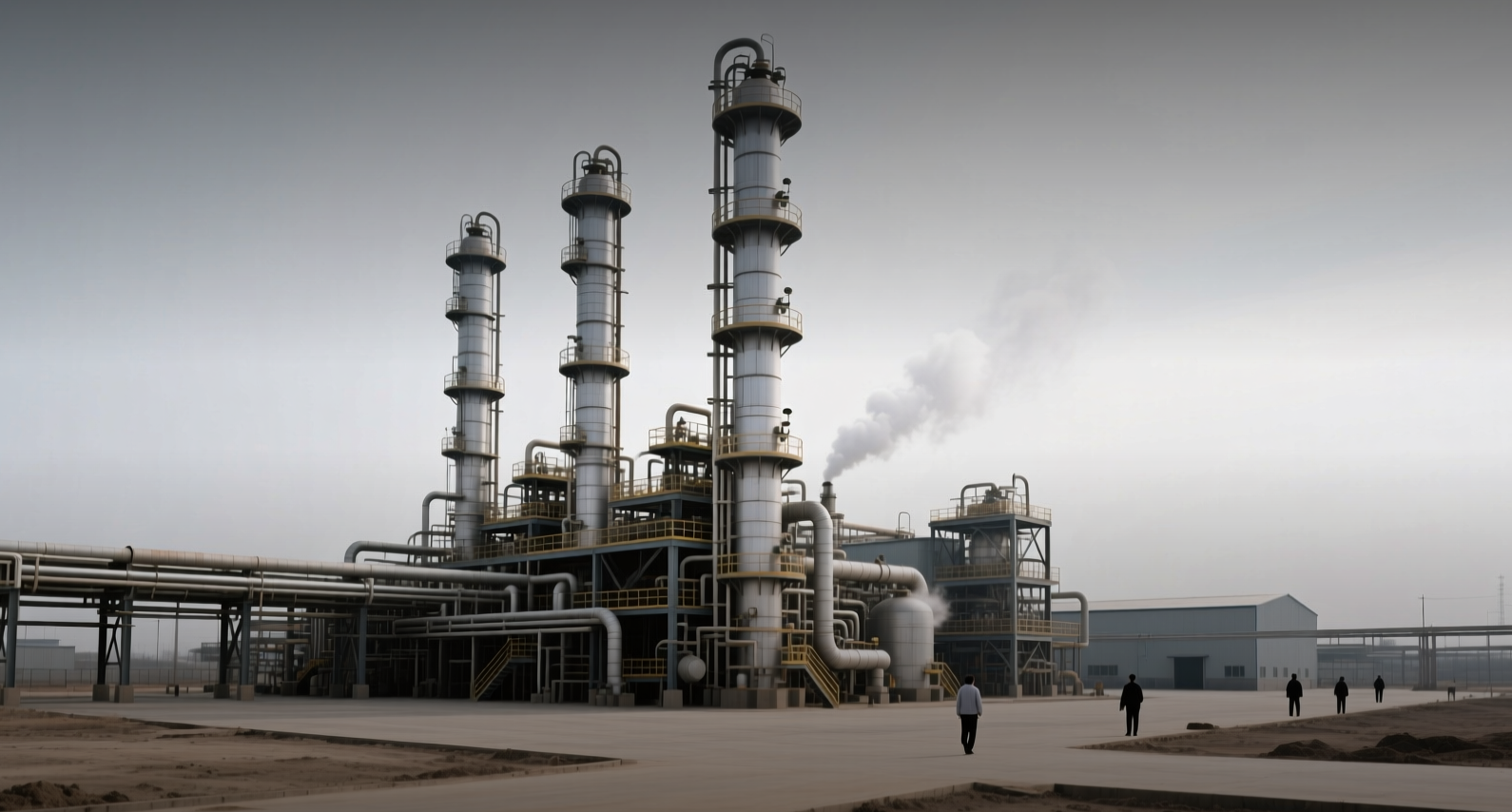
Russia's fourth-largest oil refinery and second-largest gasoline producer NORSI suspended crude processing Wednesday after a Ukrainian drone attack, three industry sources said, extending a wave of strikes that has driven Russian refining to its lowest level since May 2002.
"The refinery has stopped processing crude oil," one of the sources told Reuters, speaking on condition of anonymity because the information was not public. The suspension follows at least 70 Ukrainian drone strikes on Russian industrial facilities since the start of 2026, according to monitoring by The Moscow Times.
NORSI, in the Nizhny Novgorod region, joins at least five other refineries that have completely halted operations since the beginning of August: Permnefteorgsintez, Orsknefteorgsintez, Zapsibneftekhim, Saratov, and Volgograd. Russian oil refining fell to roughly 3.6 million barrels per day before recovering to about 4 million barrels per day in August, the lowest since May 2002.
The disruptions have contributed to fuel shortages across Russia, with the newspaper Izvestia reporting that petrol was available at only 28 percent of Russian filling stations. Ukraine has intensified attacks on Russian energy infrastructure to undermine Moscow's war effort and reduce its energy revenues, a strategy that has also drawn a Russian response targeting Ukrainian fuel supply.
The Perm refinery, Russia's seventh-largest by volumes, was forced to suspend operations after an Aug. 21 drone attack that damaged its main CDU-4 crude distillation unit, which accounts for nearly 40 percent of the plant's capacity and can process 14,000 metric tons of crude per day. A second unit, CDU-5, accounting for 34 percent of capacity, has been offline since a July 29 attack. Preliminary estimates suggest repairs could take one to two weeks.
In southern Russia, the Afipsky refinery in Krasnodar Krai was struck for the fifth time this year on Aug. 25, killing two people and injuring two others, according to regional Governor Veniamin Kondratyev. The Novoshakhtinsky refinery in the neighboring Rostov region also sustained damage and temporarily suspended processing operations.
The refinery disruptions have created a stark contrast with Ukraine's fuel market. While Russia relies on large, vulnerable refineries, Ukraine imports fuel by road using tanker trucks, making its supply chain more resilient. Russia has hit at least 246 filling stations across Ukraine, according to Oleksandr Sirenko, an analyst at Ukrainian energy think-tank Nafto Rynok, but the impact on Ukrainian fuel supplies has been limited.
"Unlike in Russia, Ukraine does not rely on vulnerable large refineries and fuel depots, instead importing fuel by road using tanker trucks," Sirenko said. "You curse and drive on to another petrol station. OK, you travel for 10km more than you bargained for, but that's not such a big problem."
The last time Russian refining output fell to these levels was May 2002, when the industry was still recovering from the post-Soviet transition. The current disruption is driven not by market forces but by deliberate military targeting, making the recovery timeline uncertain.
The sustained refinery outages could tighten global gasoline and diesel supplies, particularly in regions that depend on Russian fuel exports. With repairs at the Perm refinery estimated at one to two weeks and NORSI's restart timeline unclear, the supply disruption is likely to persist into September, keeping upward pressure on refined product prices.
This article is for informational purposes only and does not constitute investment advice.
