Oil futures lurched higher Monday after reports that Saudi Aramco's Jazan refinery had been attacked for the second time in roughly a month, with Brent adding 62 cents to reach $97.38 a barrel and WTI climbing 59 cents to $92.19 within five minutes of the news breaking.
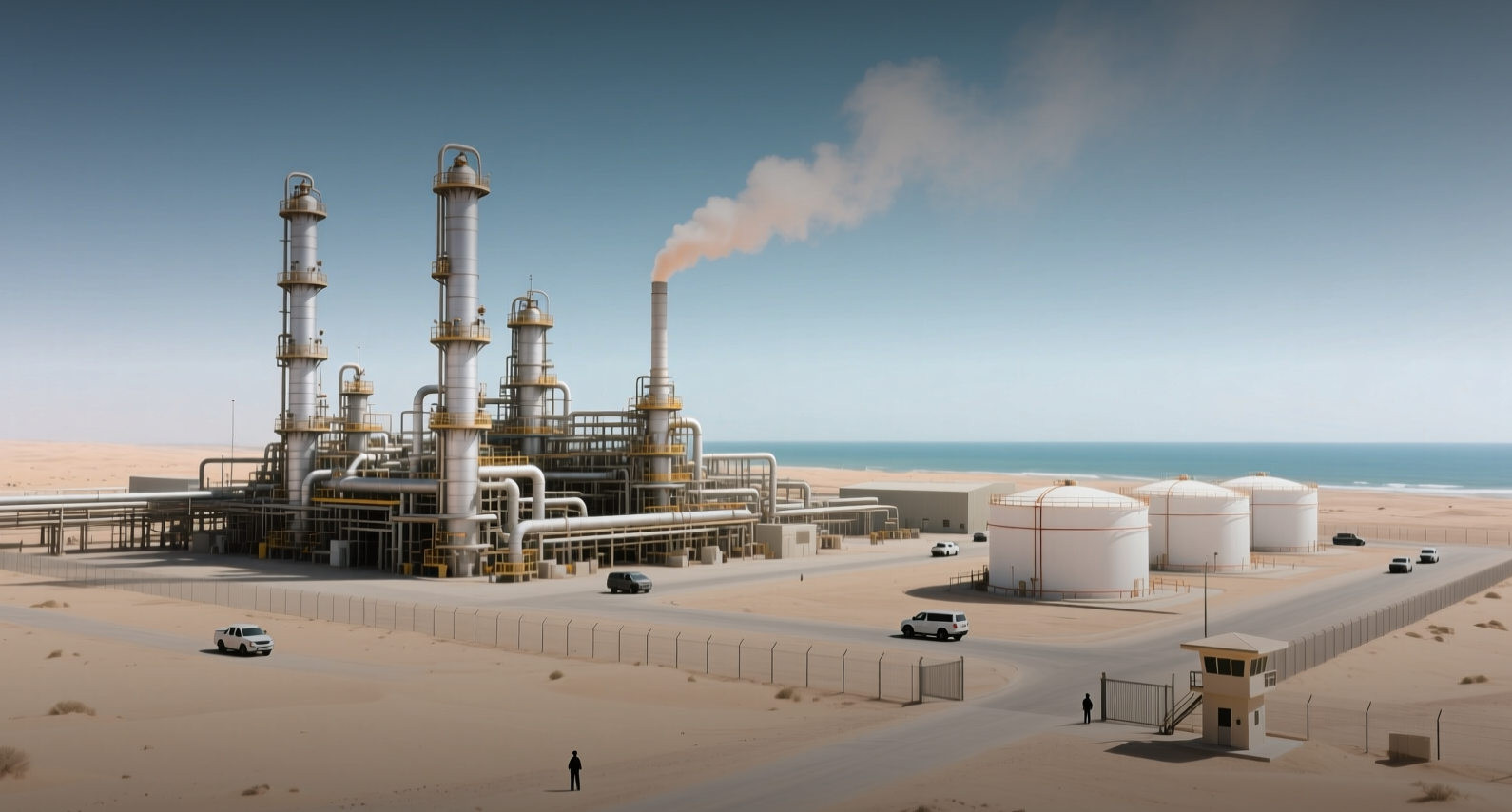
The Financial Times, citing two people familiar with the matter, reported that Saudi Aramco's oil infrastructure was struck and the company is now assessing damage to the Jazan complex, a 400,000 barrel-per-day facility near the Yemen border. One of the sources said the scale of this strike was roughly comparable to the previous attack on July 27, which forced the refinery to temporarily halt operations entirely.
"The cumulative effect of repeated strikes on Saudi energy assets is what matters for crude pricing now — each individual incident is manageable, but the pattern embeds a persistent risk premium," said Omar Tariq, a commodities analyst tracking Middle East supply flows. "The market is watching whether these remain isolated events or escalate into a coordinated campaign."
The Jazan refinery sits in one of Saudi Arabia's industrial cities closest to the Yemen border and has been struck multiple times over the past year. Yemen's Houthi forces claimed responsibility for the August 9 attack on the complex, which ignited a fire that was quickly contained with no casualties reported. Throughout 2026, Houthi forces have also targeted the Abqaiq crude stabilization plant and facilities near Yanbu, according to regional reports.
Aramco CEO Amin Nasser said last month that prior attacks caused partial production disruption but did not materially affect the company's operations or financial standing, and that production and export schedules were restored quickly after each incident. The company has not yet disclosed the extent of damage from the latest strike or how long the Jazan refinery may remain offline.
The stakes extend well beyond a single facility. The 2019 attacks on Abqaiq and Khurais temporarily knocked out roughly half of Saudi Arabia's output and sent Brent surging nearly 15 percent in a single session. While the 2026 strikes have been smaller in scale, the Strait of Hormuz — through which roughly a fifth of the world's oil supply transits daily — remains a flashpoint. Saudi Arabia moved in early August to strengthen defense pacts with Turkey and Pakistan amid ongoing disputes over control and access to vital shipping routes.
For traders, the key variable is whether the attacks remain contained at their current intensity or escalate into something that genuinely constrains Saudi exports for an extended period. A single-day shutdown at a 400,000 bpd facility is manageable within global supply buffers. A coordinated campaign that hits multiple sites simultaneously, or that damages infrastructure beyond quick repair, would be a different scenario entirely — one that could push Brent decisively above the $100 threshold.
The monthly cadence of strikes suggests the security risk to Saudi oil infrastructure is not dissipating. Each successive attack tests Aramco's resilience claims and forces the market to reassess how much of a geopolitical premium should be embedded in crude prices. With Aramco yet to confirm the operational status of Jazan, the near-term direction of oil prices hinges on the company's damage assessment and whether the Houthis signal further strikes.
This article is for informational purposes only and does not constitute investment advice.