
The S&P 500's 12.65% gain in 2026 mirrors 1901, not 1999, when a speculative boom ended in the Panic of 1907.
The S&P 500's 12.65% gain in 2026 mirrors 1901, not 1999, when a speculative boom ended in the Panic of 1907.
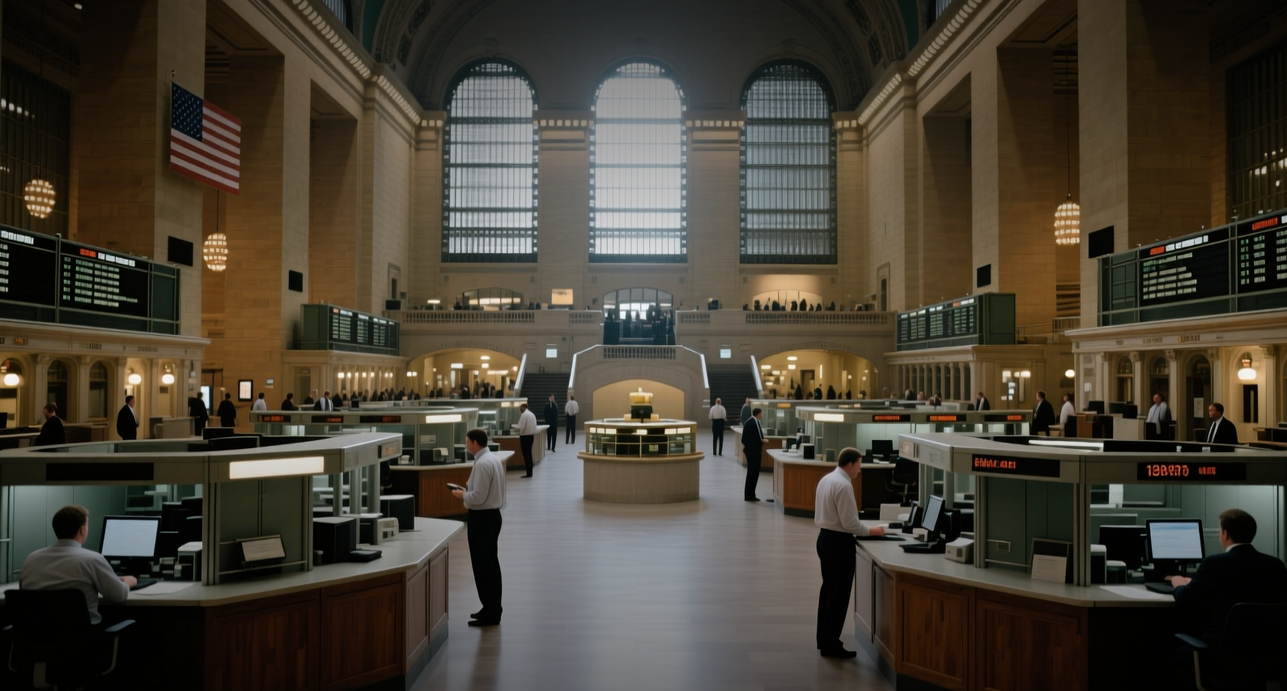
The S&P 500 has gained 12.65% in 2026 to close at 7,711.75, but a Wall Street Journal columnist argues today's trading frenzy mirrors 1901, not 1999.
"Gambling fever can burn longer and hotter than most people think—and then end faster than anyone can imagine," Jason Zweig, columnist at The Wall Street Journal, wrote in his Intelligent Investor column.
NYSE turnover hit 319% in 1901, with the entire market changing hands every 16 weeks. Same-day options made up 66.2% of all S&P 500 options volume in July, an all-time high, Cboe reported. Margin debt reached $1.42 trillion in July, up from $1.02 trillion a year earlier, according to FINRA filings.
The 1901 boom ended in the Panic of 1907, when the Dow lost 40.9% from its December 1906 peak and the market crashed 30%, losing 10% in October alone. Congress created the Federal Reserve six years later.
The parallels extend beyond turnover. Prediction markets now let traders bet on bitcoin's price 15 minutes from now or whether a broadcaster will say "tush push" during the Super Bowl. In 1901, bucket shops let small customers bet, at heavy leverage, on whether a stock would tick up or down—no shares ever changed owners. The aptly named Haight & Freese, one of the nation's biggest bucket shops, claimed its annual "Guide to Investors" served "the million of busy people" seeking "a fair chance of securing a portion of the immense profits" from exchange securities.
Leverage has kept pace. Speculators in 1901 traded on margin, borrowing 10-fold or more. Today, perpetual futures can offer leverage up to 100 to 1. Margin debt reached $1.42 trillion in July, though it dropped $85 billion that month, the largest monthly decline on record, according to The Kobeissi Letter.
The boom of the early 1900s was fueled by industrial consolidation. Financiers led by J.P. Morgan rolled up entire industries into "combinations" meant to limit competition. U.S. Steel became the first billion-dollar company in 1901, creating the same excitement among investors as SpaceX did in 2026 when it became the first IPO with a valuation above $1 trillion. After rising 19% in 1900, the market gained another 20% in 1901 and 5% in 1902, then returned 69% over the next three years following a stumble in 1903.
The trigger for the 1907 panic looked small: two speculators failed to corner United Copper stock in October 1907. The damage followed as runs hit trust companies, lightly regulated lenders that kept about 5% of deposits in cash. National banks kept 25%.
Call money rates ran from 9.5% to 70%, and to 100% two days later. J.P. Morgan hauled cash to the exchange loan post to keep trading alive. The Dow lost 40.9% from its December 1906 peak to the November 1907 bottom, a National Bureau of Economic Research study found.
Valuation drives most earlier bubble comparisons. The Shiller price-to-earnings ratio sits near 42, against a long-run average of 17.4, and just under its December 1999 record. Zweig's warning is quieter and harder to hedge.
Crypto shares the same funding pipes. Bitcoin trades near $78,618 and has tracked the S&P 500 through past risk shocks.
Hetty Green, perhaps the first and among the greatest of all long-term investors, lived by her motto: "Never speculate in Wall Street." In 1908 she recalled: "When the crash came I had money, and I was one of the very few who really had it. The others had their 'securities' and their 'values.' I had the cash, and they had to come to me."
Cash looks like dead weight while markets climb. It turns into leverage the moment everybody else needs it.
This article is for informational purposes only and does not constitute investment advice.
