
Kung Ming-hsin unveiled the fresh $20 billion projection at the SEMICON trade show in Taipei, saying AI and chip orders remain extremely lively as Taiwanese firms beyond TSMC weigh deeper US manufacturing commitments.
Kung Ming-hsin unveiled the fresh $20 billion projection at the SEMICON trade show in Taipei, saying AI and chip orders remain extremely lively as Taiwanese firms beyond TSMC weigh deeper US manufacturing commitments.
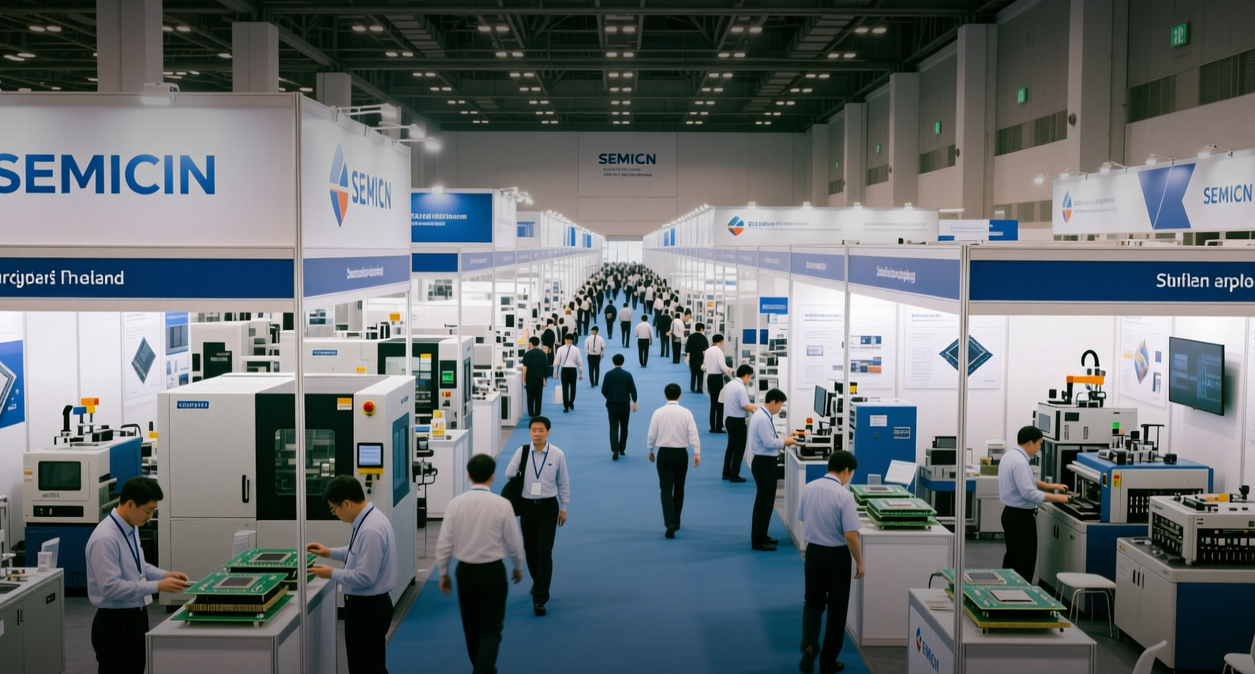
Taiwanese companies plan an additional $20 billion in US investment, Economy Minister Kung Ming-hsin said Wednesday, as surging demand for AI applications pushes semiconductor and electronics makers to expand production beyond the island.
"AI and chip orders are extremely lively," Kung said at the opening of the US pavilion at the SEMICON trade show in Taipei, without identifying the companies involved.
The projection follows a fresh assessment by Taiwan's economy ministry after the island attended the SelectUSA Investment Summit in May, reviewing which firms beyond major chipmaker TSMC might expand further in the US. TSMC in July announced another $100 billion investment in Arizona, lifting its total planned US outlay to $265 billion.
The investment wave reflects a broader restructuring of the global semiconductor supply chain, with Washington pressing to bring advanced chip manufacturing onto US soil while Taipei seeks to preserve access to its largest technology market and deepen ties with its most important security backer.
Bill Frauenhofer, executive director of semiconductor investment and innovation at the US Commerce Department, welcomed the announcement at the same Taipei event, saying the projects demonstrate a shared commitment to a secure and resilient semiconductor and electronics supply chain.
The $20 billion figure extends a pattern of accelerating cross-border capital flows that began well before the latest AI buildout. TSMC's Arizona operations anchor a US expansion that now spans multiple fabs and advanced packaging facilities. The additional investment from smaller Taiwanese suppliers and electronics makers would deepen the island's manufacturing footprint in the US, covering areas from chip substrates to data center equipment.
Taiwan sits at the center of the AI supply chain, with its companies playing a major role in semiconductor manufacturing and electronics production. The rapid growth of AI has created unprecedented demand for advanced chips, data center equipment and related technologies, giving Taiwanese firms a commercial incentive to establish production closer to US customers. The US market, which hosts the world's largest hyperscale cloud operators and AI model developers, offers Taiwanese companies direct access to the buyers driving this demand.
The investment also reflects a shift in how Taiwanese firms approach manufacturing. Rather than exporting finished chips from the island, companies are increasingly building capacity in the US to serve American customers directly. This mirrors the broader trend of semiconductor supply chain localization, as governments in the US, Europe and Japan offer subsidies and incentives to attract chip production.
The investment push comes as the US-Taiwan technology relationship deepens under pressure from China's territorial claims over the island. Washington views Taiwan as a crucial technology partner and its most important arms supplier in the region, while Taipei relies on US political and security backing. President Donald Trump has previously accused Taiwan of taking American semiconductor business, a criticism Taipei has rejected as unfair.
For Washington, drawing Taiwanese companies onto US soil reduces dependence on concentrated production in East Asia and strengthens domestic capacity in a sector increasingly viewed as critical to national security. For Taiwan, investing in the US helps protect access to its most important technology market while reinforcing political ties.
The shift carries risks for Taipei. Expanding production abroad could gradually dilute the concentration of advanced semiconductor capabilities on the island, which has long underpinned Taiwan's economic influence and strategic relevance. The larger trend is one of semiconductor diversification rather than simple relocation, with Taiwanese companies spreading production across multiple locations to manage geopolitical and supply chain risks.
With AI demand continuing to grow, the US-Taiwan technology relationship is likely to deepen, making semiconductors an even more important component of the wider strategic competition between Washington and Beijing.
This article is for informational purposes only and does not constitute investment advice.
