

Tower Semiconductor is betting $3 billion that silicon photonics — not just advanced logic — will be the next bottleneck in AI infrastructure.
Tower Semiconductor is betting $3 billion that silicon photonics — not just advanced logic — will be the next bottleneck in AI infrastructure.
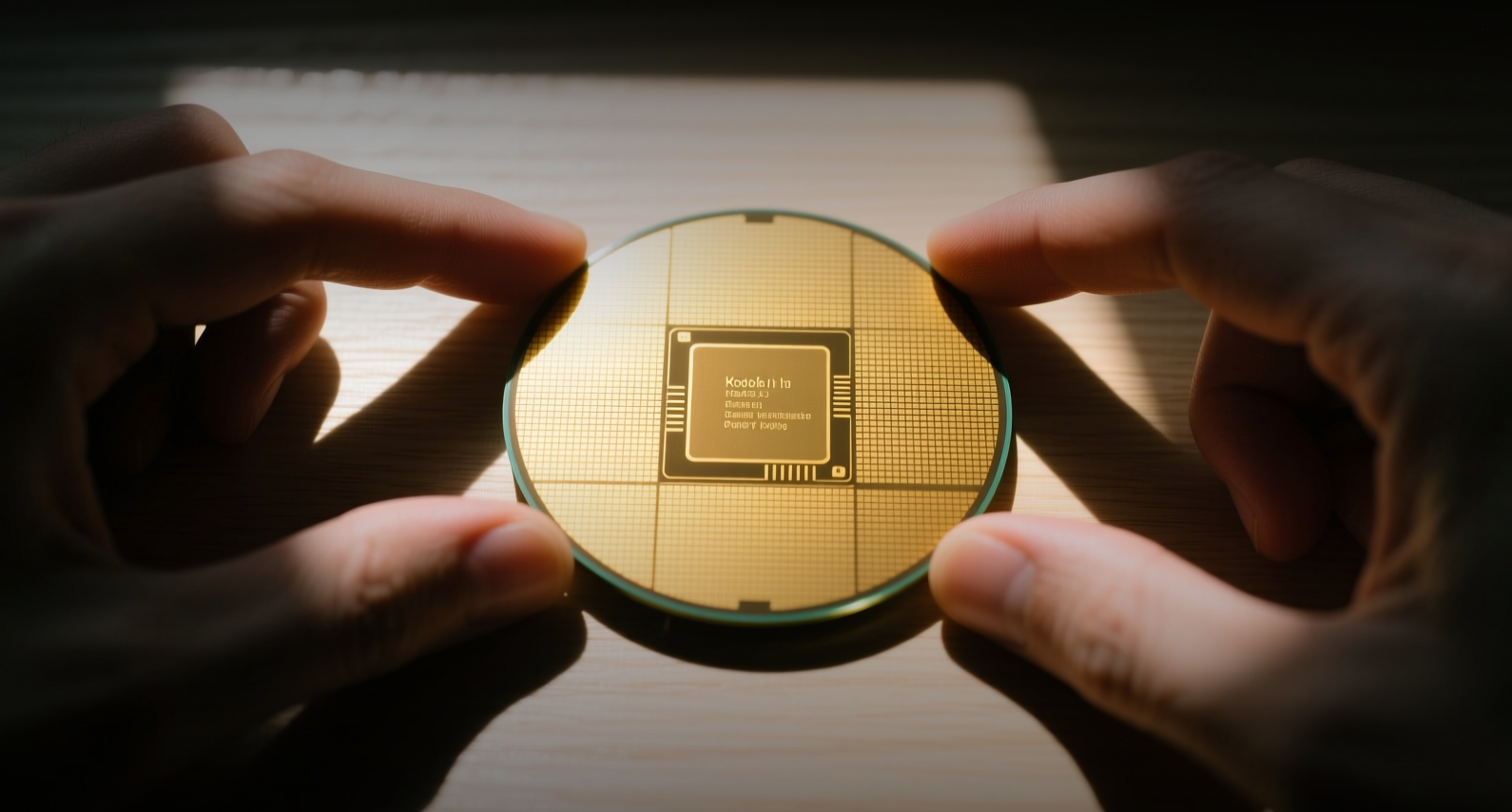
Tower Semiconductor announced a $3 billion dual-track expansion of its 300mm silicon photonics (SiPho) and silicon germanium (SiGe) capacity in Japan, betting that optical connectivity will become the next chokepoint in AI data center buildouts as demand for high-bandwidth interconnects outpaces supply.
"Together, we are building a globally differentiated center of excellence founded on technology leadership, manufacturing excellence, and exceptional product quality," Russell Ellwanger, Tower's chief executive officer, said. The company, which owns a 51% stake in TPSCo — the former Panasonic Semiconductor manufacturing operations — operates fabs in Uozu and Arai, Japan.
Track one repurposes the Arai facility, formerly Fab 6, for 300mm SiPho capacity and advanced packaging, with full production readiness expected in the fourth quarter of 2027. Track two constructs a new 300mm facility adjacent to Fab 7 in Uozu, targeting a multi-fold increase in SiPho and SiGe output beginning in 2029. Tower updated its 2028 business model to reflect $3.6 billion in revenue and $1.2 billion in net profit, up from its prior targets.
The expansion positions Tower to capture demand from emerging AI and data center applications that require next-generation optical connectivity — a market where Nvidia, AMD, and hyperscalers including Amazon and Microsoft are already straining available supply. The Japanese Ministry of Economy, Trade and Industry is contributing $1 billion in grants toward the $3 billion total investment, underscoring Tokyo's push to rebuild domestic advanced semiconductor manufacturing.
Why Silicon Photonics Matters Now
Silicon photonics uses standard CMOS fabrication processes to produce optical components on silicon wafers, enabling data transmission at higher speeds and lower power than traditional copper interconnects. As AI clusters scale to tens of thousands of accelerators — Nvidia's GB200 and B200 systems, for example, require dense optical links between GPUs — the technology has shifted from a niche specialty to a critical infrastructure layer.
Tower's bet mirrors a broader industry trend. TSMC, the dominant foundry with 73% of global chip manufacturing demand per Counterpoint Research, is investing $52 billion to $56 billion in capital expenditures in 2026 alone, with a significant portion directed at advanced packaging. TSMC's CoWoS (chip-on-wafer-on-substrate) capacity is growing at a compound annual rate above 80% from 2022 to 2027, and Nvidia has reportedly secured roughly 60% of that output for 2026. But CoWoS addresses the logic-to-memory stacking problem; silicon photonics tackles the rack-to-rack and data-center-to-data-center connectivity challenge — a separate bottleneck that Tower is targeting directly.
The Japan Advantage and Competitive Landscape
Tower's expansion benefits from Japan's existing semiconductor infrastructure and workforce. The company has operated in Toyama and Niigata prefectures through TPSCo since acquiring majority control of Panasonic's chip operations. The new facilities will deepen ties with local universities and research institutions, Ellwanger said, while expanding the regional supply chain.
The move also diversifies the global SiPho supply base. Currently, much of the advanced photonics capacity is concentrated in a handful of players, including Intel's integrated photonics division and TSMC's emerging SiPho platform. Tower's entry adds a dedicated, government-backed foundry option for fabless chip companies designing optical interconnects for AI workloads.
For investors, the timeline matters. Track one reaches production readiness by late 2027, meaning Tower could capture revenue from the next wave of AI data center builds. Track two, coming online in 2029, positions the company for the generation after that. Tower trades on Nasdaq and the Tel Aviv Stock Exchange under the ticker TSEM. The company did not disclose specific customer commitments beyond noting "expanded customer engagements" and "multi-generation strategic partnerships."
This article is for informational purposes only and does not constitute investment advice.
