
Trump said the US may "soon" strike Iran's nuclear facilities, escalating a seven-month conflict that has pushed Brent above $95 a barrel and intensified Strait of Hormuz supply risks.
Trump said the US may "soon" strike Iran's nuclear facilities, escalating a seven-month conflict that has pushed Brent above $95 a barrel and intensified Strait of Hormuz supply risks.
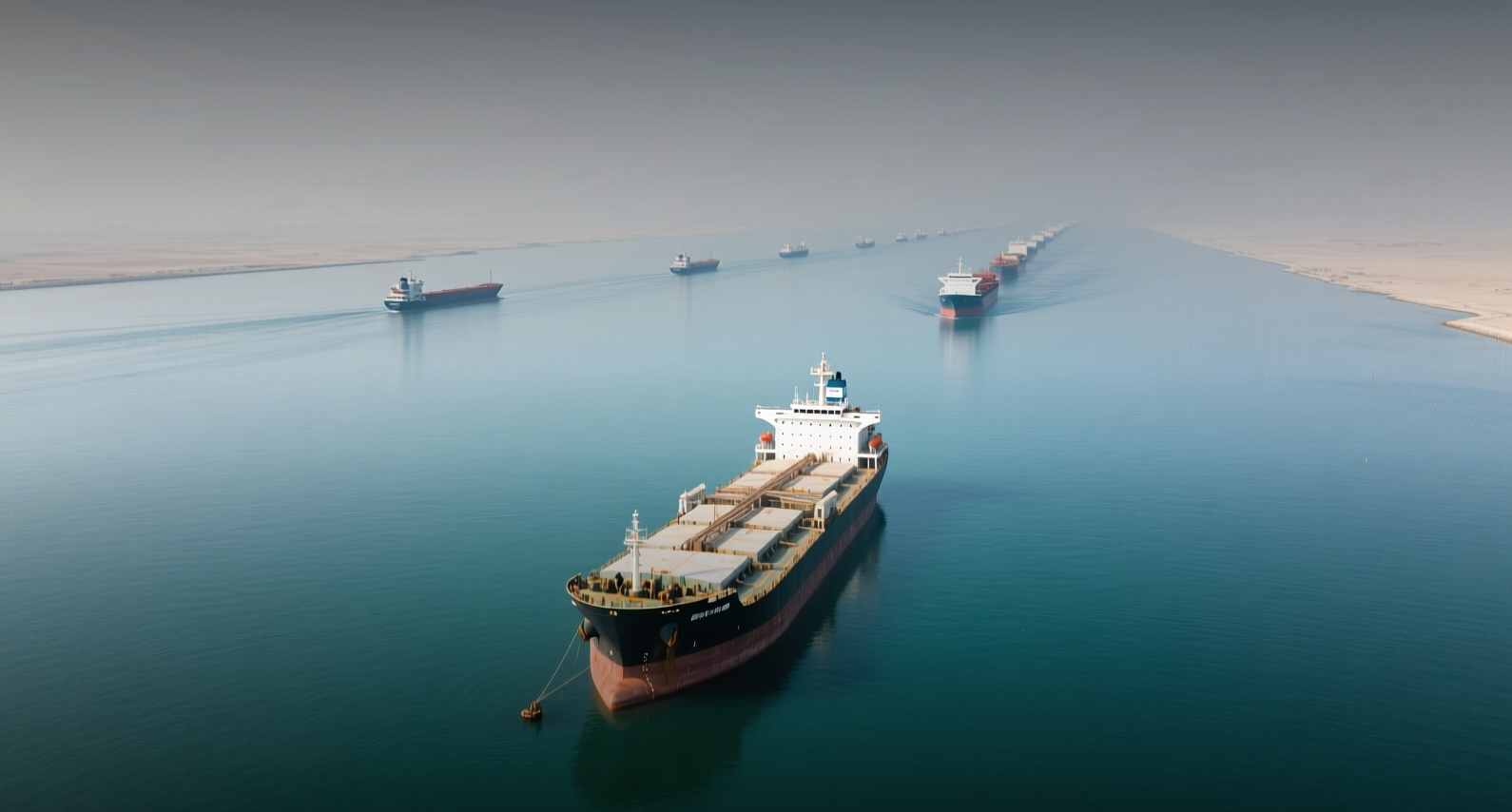
A potential US military strike on Iran's nuclear facilities would mark the sharpest escalation in a seven-month conflict that has already driven Brent crude to $95 a barrel and reduced Strait of Hormuz transits to a fraction of their pre-war levels. President Trump told reporters the US may act "soon," while characterizing the confrontation as "not a big deal" when pressed on how he would define the current Iran conflict.
"The combination of renewed U.S.-Iran hostilities and ongoing uncertainty around the Strait of Hormuz has been enough to reprice risk higher, even while actual tanker flows have not collapsed," said Tim Waterer, chief market analyst at KCM Trade.
Brent rose 6.5 percent for the week, its biggest weekly gain since August 17, while West Texas Intermediate climbed 8.4 percent, the strongest weekly performance since July 13. Four commodity vessels transited the Strait of Hormuz on Thursday, down from nine a day earlier and well below the 10-day average of about 15, preliminary shipping data showed. Citi raised its third-quarter Brent forecast to $86 a barrel from $80, and ANZ lifted its short-term Brent call to $95.
The stakes extend well beyond oil. Iran shut the waterway after the US and Israel attacked the country on February 28, and the strait carried about one-fifth of global oil and LNG supplies before the conflict began. A US strike on Iran's nuclear facilities would risk a full closure of the chokepoint, threatening global energy supply chains and driving further capital into safe-haven assets.
Trump's nuclear facility threat follows the first exchange of direct attacks between the US and Iran in a month on Sunday, which killed and wounded dozens including Iranian civilians. Israeli Defence Minister Israel Katz has renewed warnings that Israel would "cripple" Iran's military and civilian infrastructure, including energy facilities. The US has also been running a campaign to throttle Iran's economy by blockading its oil exports and stopping sanctions evasion, a strategy three senior Iranian sources said is growing increasingly difficult to withstand.
Efforts by mediators including Qatar and Oman to broker a deal to reopen the Strait of Hormuz have so far failed to gain traction. The United Kingdom Maritime Trade Operations agency reported a tanker was struck by three projectiles while sailing out of the waterway, highlighting the persistent risk to shipping.
The supply risk premium is visible across the energy complex. Average US diesel prices have reached record highs on fears of disruption from renewed US-Iran hostilities and Ukrainian attacks on Russian refineries. US crude inventories in the Strategic Petroleum Reserve declined by about 3.1 million barrels last week, leaving stockpiles at 286.6 million barrels, near a 44-year low.
Analysts polled by Reuters in August expect oil prices to remain above $80 a barrel in 2026 as shipping disruptions continue. Iraq increased its August oil exports to about 2.34 million barrels per day from about 1.35 million in July, two Iraqi energy officials said, a partial offset to supply concerns.
The last time the US and Iran exchanged direct strikes in July, Brent retreated within weeks as the conflict shifted into an economic standoff. This time, Trump's explicit nuclear threat raises the prospect of a more sustained disruption, with visible commodity vessel transits through the strait dropping to five per day over the weekend, according to Kpler data.
For investors, the transmission chain is clear: oil higher, gold and the dollar firmer on safe-haven demand, and risk assets including equities and cryptocurrencies under pressure. If the US follows through on its nuclear threat, the market impact would likely dwarf the current repricing.
This article is for informational purposes only and does not constitute investment advice.
