
UK inflation is set to accelerate for the first time in four months as AI chip shortages and higher energy bills keep the Bank of England on guard.
UK inflation is set to accelerate for the first time in four months as AI chip shortages and higher energy bills keep the Bank of England on guard.
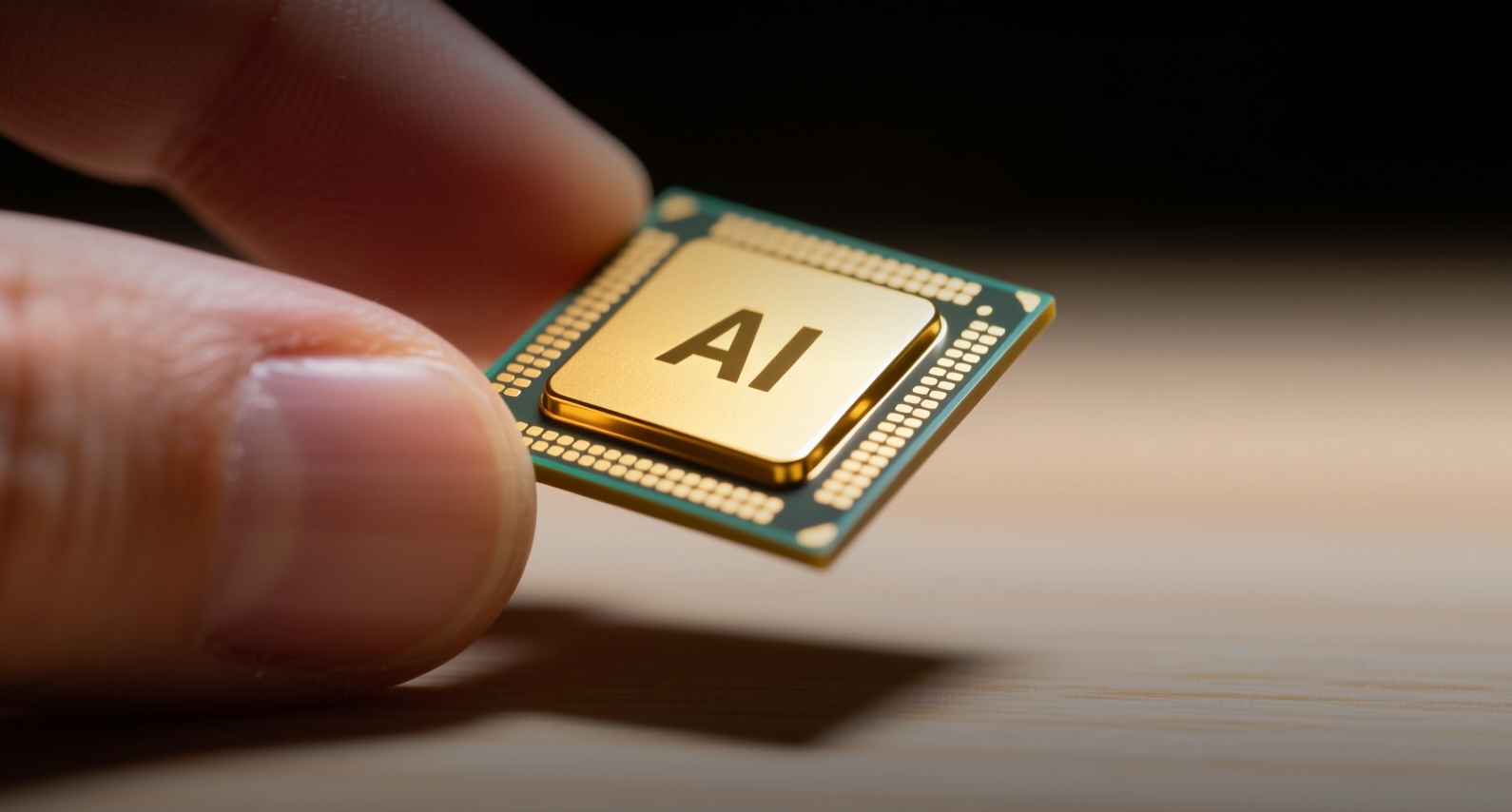
UK inflation is set to accelerate to 2.9% in July, the first pickup in four months, as an AI-driven memory-chip shortage and higher household energy bills keep the Bank of England on guard. The median forecast in a Bloomberg survey of economists points to a 0.4% monthly rise, up from 0.1% in June, with core inflation easing to 2.5% from 2.6%.
"The UK inflation story this year has had two key themes: domestically generated cost pressures have continued to moderate, while external forces — specifically energy — have pushed in the other direction," said Dan Hanson, chief UK economist at Bloomberg Economics. "July's CPI data should reinforce the trend."
The jump reflects the reset of Ofgem's quarterly price cap, which lifted household energy bills, while the Iran war has pushed up airfares. A newer pressure is emerging from the AI buildout: the rapid expansion of data-center capacity is consuming memory chips that would otherwise go to phones, laptops and games consoles, feeding through to retail electronics prices. Apple laptops and tablets and Xbox consoles have already announced price increases, and British Retail Consortium data show chip costs reaching store shelves.
The acceleration narrows the Bank of England's room to cut rates. Chief Economist Huw Pill, one of three dissenters at the last meeting, has doubled down on his hawkish call after the economy unexpectedly grew in June. With the next decision on 17 September and wage growth ex-bonus holding at 3.4% while unemployment edges down to 4.8%, Thursday's jobs data will shape whether the committee can justify easing.
Unlike past technology cycles, where innovation lowered consumer prices, the AI arms race is consuming chips faster than supply can expand. The shortage has pushed memory prices higher, and the Bank of England has warned that AI capacity growth is driving up the cost of chips used in consumer electronics. China's ChangXin Memory Technologies, which has reached about 7% of global DRAM revenue after triple-digit year-over-year growth, is expanding capacity through 2028, though much of its output is already committed to domestic customers such as ByteDance, Tencent and Xiaomi. Apple has begun testing CXMT's DRAM chips across iPhones and MacBooks as it seeks alternatives to Samsung, SK Hynix and Micron. The memory market is dominated by those three incumbents, so a new supplier could improve Apple's negotiating position and help limit rising component costs. Yet CXMT's capacity remains constrained, and U.S. export controls prevent American companies from transferring proprietary technology to the firm, which sits on the Pentagon's list of Chinese military-linked companies.
The BoE expects inflation to keep rising through the second half of 2026, cutting short a spell of positive news on price pressures. The three dissents at the last meeting show the internal split, and a resilient economy — June growth was helped by a heat wave and the World Cup — gives hawks cover. For GBP/USD, a hot print could be bullish, though the pair has struggled to break resistance near $1.355; a failure to clear that level, or a drop below support at $1.344, could send it back toward $1.32. The bigger test for policymakers will be 2027 wage settlements, with signals only emerging later this year. If inflation surprises to the upside, expectations for a near-term cut will fade further, keeping sterling supported and weighing on UK equities.
The data lands in a quiet week for markets, with the Federal Reserve's July meeting minutes due the same day and Walmart reporting on Thursday. For the BoE, the stakes are clear: if chipflation becomes a durable feature of core goods inflation, the case for holding rates through year-end strengthens, and the window for any easing slips into 2027.
This article is for informational purposes only and does not constitute investment advice.
