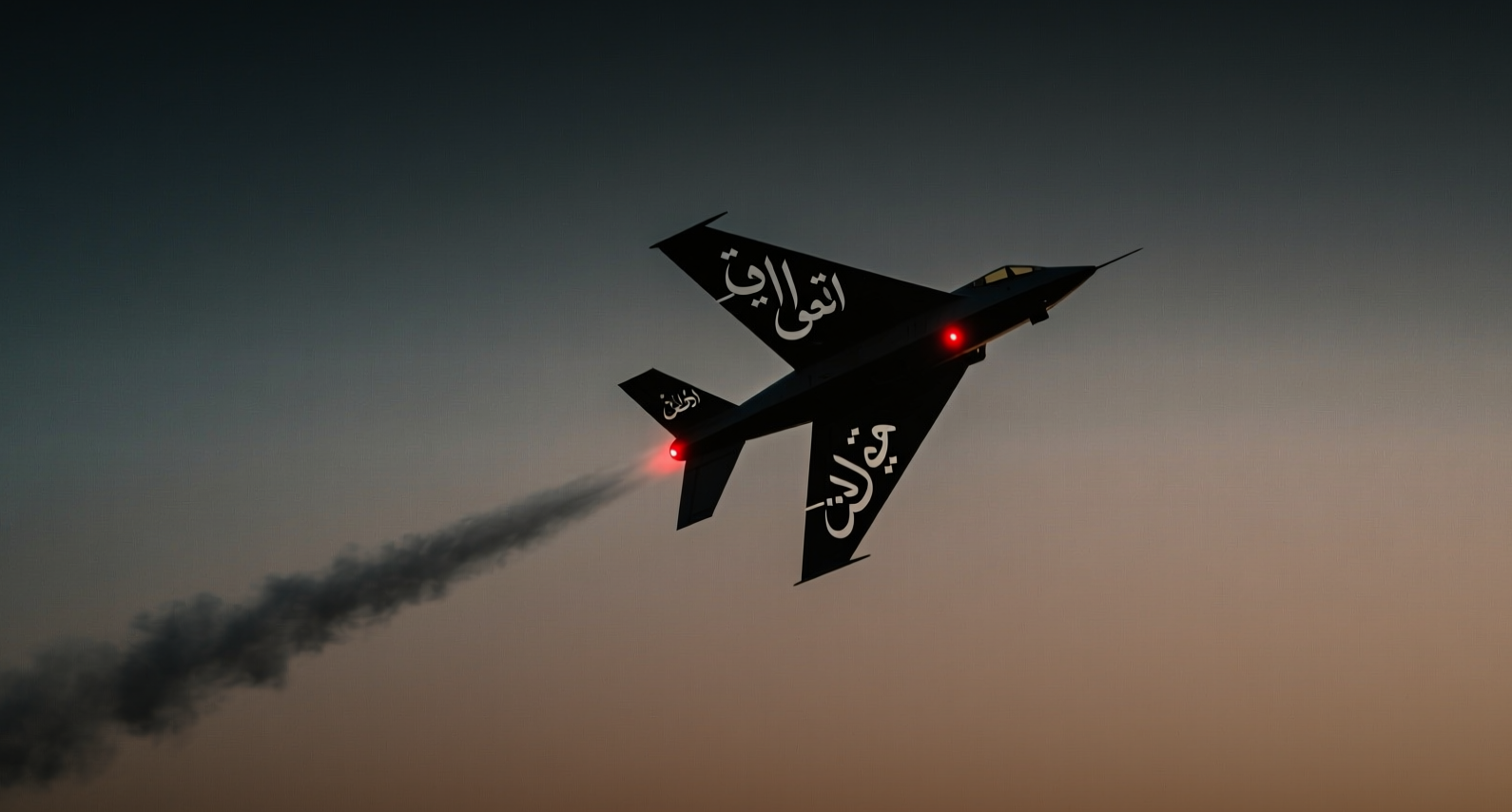
Ukraine's National Guard is deploying specialized drone-hunting teams to intercept Russian Shahed drones as Moscow escalates its aerial campaign, launching 157 drones and two cruise missiles overnight on July 24-25, the Ukrainian Air Force reported. Ukrainian forces downed 127 of the drones and one Kh-59/69 missile, while 26 drones struck nine locations across the country.
"Russian forces are increasingly using mass drone swarms to overwhelm our air defenses, so we have pivoted from attacking their heavy equipment to hunting their drones," a commander of the Lasar Group within Ukraine's National Guard told the Wall Street Journal in an exclusive report published this week. The unit, which previously focused on destroying Russian tanks and armored vehicles, now uses machine guns, helicopters, electronic warfare and cheap interceptor drones to clear the skies over Ukrainian cities.
Russia's drone and missile campaign has intensified as the war enters its fifth year. Ukrainian President Volodymyr Zelensky warned on July 24 that Moscow is preparing a massive strike package within 48 hours, while also revealing that Russian forces suffered about 222,500 casualties — 131,000 killed and 93,000 wounded — from January to July 2026. Russia recruited roughly 221,000 personnel over the same period, barely replacing its losses, according to Zelensky.
The escalating aerial threat extends beyond Ukraine's borders. A Romanian F-16 fighter jet intercepted an unidentified drone in Romanian airspace for the second time in two days on July 25, with authorities later confirming the July 24 drone was a Russian Shahed. The incursions highlight the persistent risk the war poses to NATO's eastern flank, particularly along the Danube River delta near Romania's southeastern border with Ukraine.
Zelensky also warned that Russia has been preparing bases in Voronezh Oblast since June to receive another 30,000 North Korean soldiers and additional ballistic missiles, after an initial deployment of about 15,000 North Korean troops helped push Ukrainian forces from Kursk Oblast in late 2024 into 2025. The new deployment would free up Russian personnel for frontline operations but would cover little more than a month of Russia's current casualty rate.
Russia's war economy is showing strain from Ukraine's long-range strike campaign. Ukrainian forces struck an oil refinery in Tyumen City, roughly 1,980 kilometers from the frontline, and a logistics facility in Yekaterinburg on July 24-25, part of a broader campaign targeting energy infrastructure. Russian Deputy Prime Minister Alexander Novak responded by extending the gasoline export ban until the end of 2026, after Ukraine's strikes against oil refineries and fuel logistics disrupted domestic supply. The last time Russia imposed a similar export ban was in April 2026, following the initial wave of Ukrainian strikes on its refining capacity.
The economic toll is mounting. Many areas of Russia and occupied Ukraine continue to struggle with fuel shortages, depriving Moscow of revenue from higher global oil prices driven by the Middle East conflict. The Kremlin is preparing for a "significant" wave of involuntary reserve call-ups in fall 2026, though Russian President Vladimir Putin is likely to delay any formal mobilization announcement until after the State Duma elections in mid-September, given the unpopularity of conscription among a population already bearing the costs of a four-and-a-half-year war.
This article is for informational purposes only and does not constitute investment advice.