
US Treasury bought yen for the first time in three decades, joining Japan and South Korea in a coordinated push off 40-year dollar highs.
US Treasury bought yen for the first time in three decades, joining Japan and South Korea in a coordinated push off 40-year dollar highs.
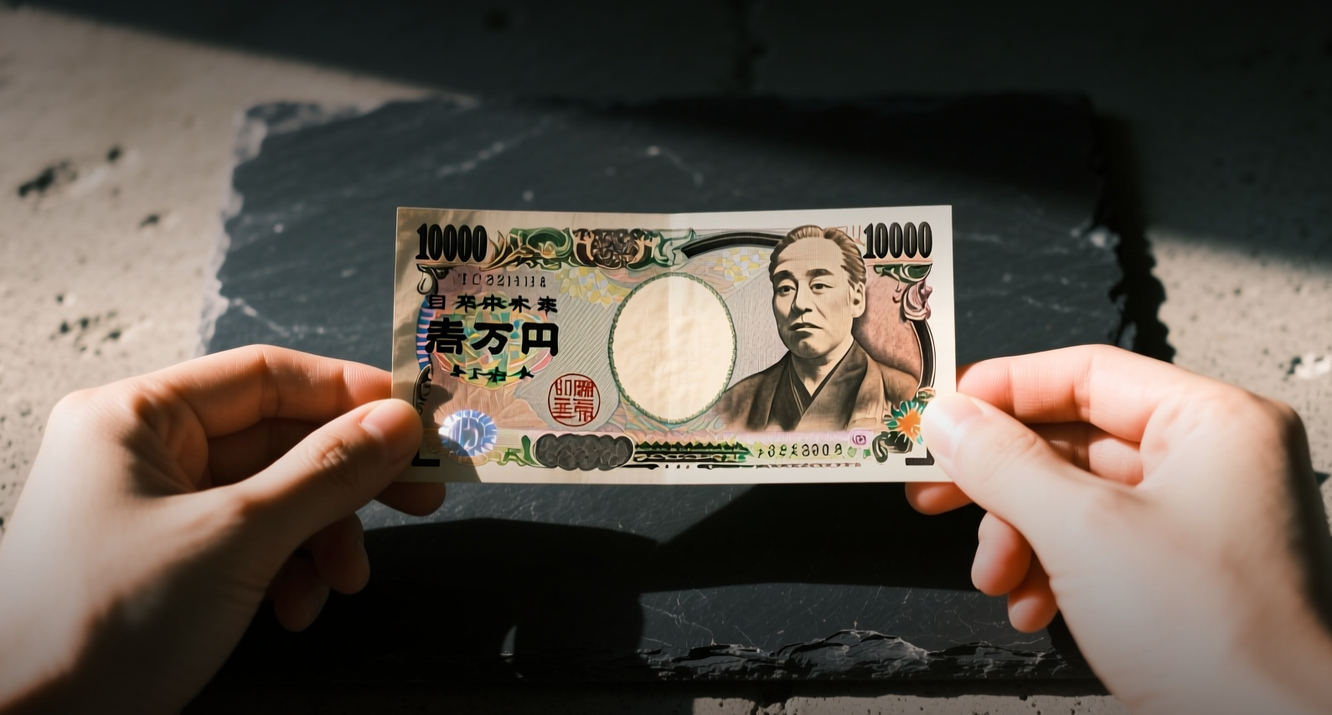
The US Treasury sold euros to buy yen on July 31, its first direct intervention since 2011, joining Japan and South Korea in a coordinated push that drove the dollar from near 164 yen.
"This move strongly suggests government intervention, though its effectiveness remains debatable," said Geoffrey Yu, senior strategist at BNY Mellon.
Japan spent roughly ¥8.45 trillion ($52.8 billion) on July 30, potentially a single-day record, while South Korea sold dollars to push the won up 2 percent to a nine-month high. The dollar-yen pair fell nearly 500 pips in under an hour, an intraday drop of 3.3 percent — the largest single-day decline since December 2023.
The coordinated action targets more than currency stability. Bank of America's Michael Hartnett called it an AI-era "price keeping operation" aimed at preventing financial stress in Japan and South Korea — both critical to the US semiconductor and AI supply chain — from transmitting to American markets.
The Federal Reserve Bank of New York executed the sale of euros for yen on behalf of the Treasury through Goldman Sachs and Morgan Stanley, the Financial Times reported, citing people familiar with the matter. The report did not indicate the amount of yen purchased. A Reuters photograph of Treasury Secretary Scott Bessent's notepad during a cabinet meeting at Camp David showed the words "To Do" followed by "Buy Japanese Yen (JPY) $5-10 bil."
Before entering the market, the Treasury informed a number of banks that it might intervene and that they should "stand ready for future action," a source familiar with the matter told Reuters. The New York Fed had conducted "rate checks" — asking dealers for executable quotes without transacting — on the dollar-yen pair Thursday and the euro-yen pair Friday. Alex Cohen, foreign-exchange strategist at BofA Securities, described rate checks as a new tool between verbal intervention and actual market action, noting that without follow-through, markets could test policy credibility.
A Coordinated Defense of AI Allies
South Korea's foreign-exchange authorities sold dollars during the New York session, pushing the won to its strongest level since mid-October. Moon Ji-sung, South Korea's deputy finance minister, said Seoul is coordinating closely with Washington and Tokyo. Atsushi Mimura, Japan's vice finance minister for international affairs, said US support went "beyond mere moral support."
The timing is notable: the KOSDAQ index has fallen to its lowest since October 2022, and Japanese and Korean tech shares have been under pressure. Bank of America data shows semiconductor ETFs have attracted roughly $530 billion in inflows this year even as the Philadelphia Semiconductor Index pulled back. Hartnett argued the coordinated intervention aims to reduce three risks: a yen-driven spike in Japanese government bond yields, financial stress spreading across Asian markets, and disorderly capital flows hitting US Treasuries.
Intervention Limits and the Road Ahead
Japan's Ministry of Finance, in an apparent effort to soothe concerns about its intervention capacity, posted on X that monetary authorities have "a broad range of tools to address market liquidity needs," including potential access to the Federal Reserve's standing Foreign and International Monetary Authorities Repo Facility. The FIMA facility, introduced in 2020, allows Japan to raise dollar liquidity without selling US Treasuries.
The last time the US directly supported the yen was in 2011, when it coordinated with G7 nations to stabilize markets after Japan's earthquake and tsunami. Japan's previous intervention round, between late April and late May, deployed ¥11.73 trillion ($73.2 billion) — though the yen still fell back to near 164 per dollar, its weakest since 1986.
Kyodo News reported Saturday that Japan and the United States may unveil a policy as early as next week to address the yen's weakness, serving as a warning against speculative bets. The Bank of Japan, which raised its policy rate 25 basis points in December 2025 from near zero, held rates unchanged on July 31. The yen gave back some gains in Tokyo trading, with the dollar-yen pair quoted around 159.95.
The wide US-Japan interest rate differential continues to pressure the yen. Markets still price the possibility of further Federal Reserve tightening within the year, while investors question whether the Bank of Japan is moving fast enough on inflation. "The last FX intervention also occurred the day after an FOMC meeting," said Masayuki Nakajima, senior strategist at Mizuho Bank's London branch. "The magnitude of dollar-yen volatility this time is very close to what we saw during past intervention episodes."
This article is for informational purposes only and does not constitute investment advice.
