
Walmart agreed to pay $50 million to settle federal opioid prescription claims, adding to $1.3 billion in prior payouts.
Walmart agreed to pay $50 million to settle federal opioid prescription claims, adding to $1.3 billion in prior payouts.
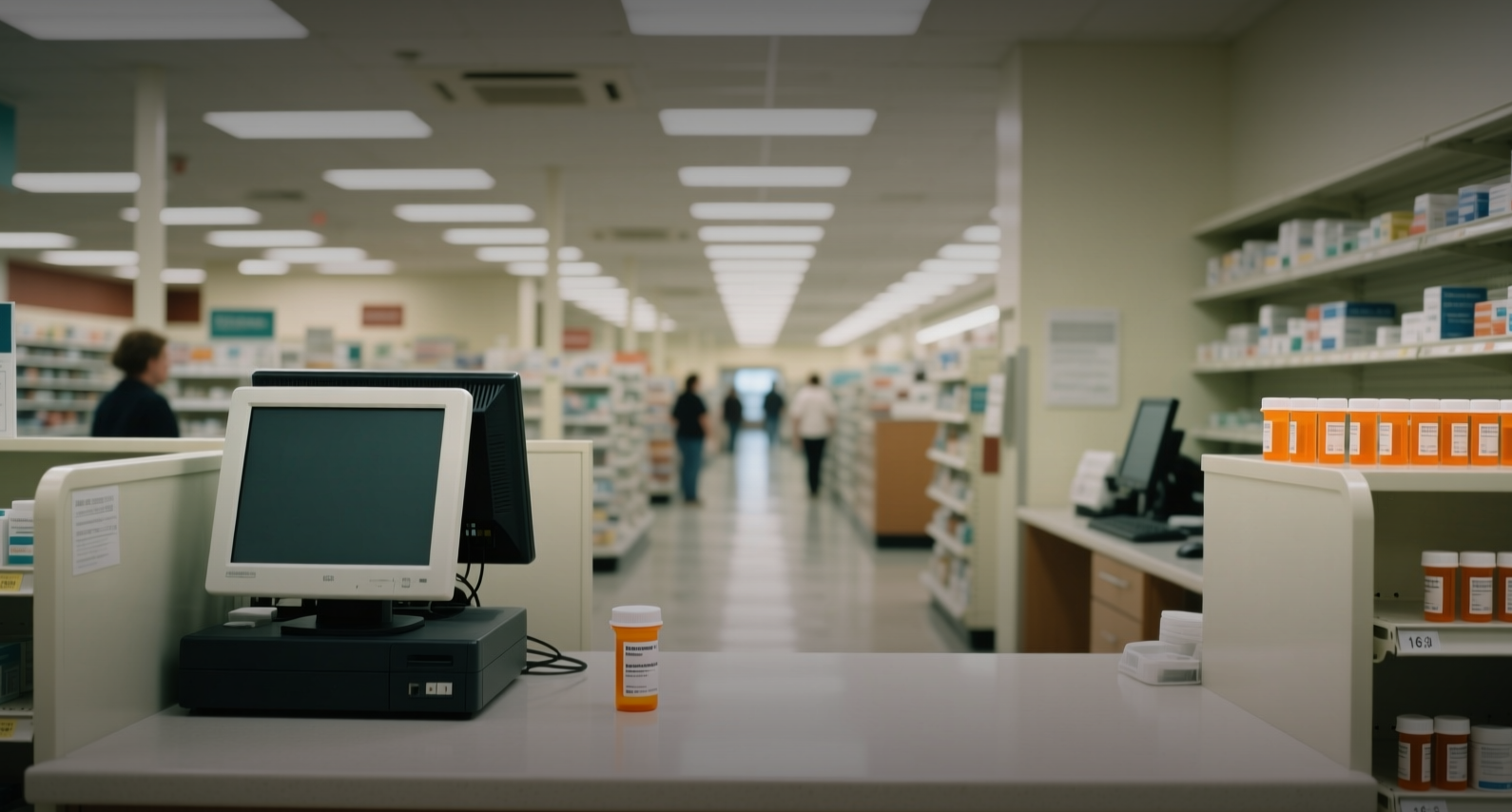
Walmart agreed to pay $50 million to settle Justice Department allegations that its pharmacies filled thousands of invalid opioid prescriptions, the latest in a series of opioid-related settlements for the world's largest retail chain.
"Today's settlement proves this Department is committed to putting Americans' flourishing first," said Stanley Woodward, associate attorney general at the Justice Department. "Congress enacted laws to promote responsibility and accountability for companies who dispense controlled substances to protect Americans."
The settlement resolves a federal lawsuit filed in 2020 that accused Walmart of failing to report suspicious orders at its pharmacies to the Drug Enforcement Administration. Over roughly four years, Walmart shipped an estimated 37.5 million controlled-substance orders to its pharmacies but reported only 204 suspicious orders to the DEA, according to court documents. The government alleged that Walmart's compliance team knowingly filled invalid prescriptions written by prescribers operating as "pill mills," even after pharmacists raised concerns. The complaint alleged violations dating back to June 2013, including dangerous combinations of opioids, "cocktails" of opioids and non-opioids, excessively repeated fills of high-dose often-abused opioids, and repeated requests for early fills of controlled substances.
The $50 million payment is modest relative to Walmart's scale, but the settlement imposes structural compliance obligations. Walmart must establish a hotline for employees and patients to report suspected illegal dispensing, monitor dispensing patterns at its pharmacies, and create a process to evaluate prescribers suspected of improper prescribing. The company previously paid $1.3 billion in 2022 to settle thousands of state lawsuits over its opioid dispensing practices.
The settlement follows a pattern of escalating regulatory pressure on pharmacy chains. Kroger agreed in 2023 to pay $1.2 billion to states and local governments over its handling of opioid prescriptions. About 806,000 people died from overdoses involving prescription drugs between 1999 and 2023, according to the Centers for Disease Control and Prevention.
DEA assistant administrator Cheri Oz said the settlement "makes clear that pharmacies have a responsibility to identify and prevent the unlawful dispensing of controlled substances." She added that filling illegitimate opioid prescriptions "puts patients and communities at risk and undermines the safeguards designed to prevent the diversion and misuse of potentially addictive medications."
The memorandum of agreement with the DEA requires Walmart to implement proactive monitoring of dispensing activity across its pharmacy network. The company must also establish a system to review doctors suspected of improper prescribing — a mechanism that could reshape how the retailer vets prescribers going forward. These obligations go beyond the one-time payment, creating ongoing compliance costs embedded in Walmart's pharmacy operations. The DEA memorandum is notable because it goes beyond a financial penalty, effectively making Walmart's pharmacy operations subject to ongoing federal oversight.
The settlement points to continued federal enforcement against pharmacy chains that fail to flag suspicious controlled-substance orders. With Walmart and Kroger now settling opioid-related claims, the regulatory focus may shift to smaller pharmacy operators and independent dispensaries that have expanded their controlled-substance volumes. The DEA's emphasis on suspicious order monitoring suggests that reporting systems — not just dispensing practices — will be a key area of scrutiny.
For Walmart, the $50 million payout is manageable relative to its scale as the world's largest retail chain. But the compliance infrastructure mandated by the settlement carries ongoing operational costs, and the company remains exposed to additional litigation from individual plaintiffs and state attorneys general. The settlement also sets a precedent for how federal regulators structure compliance obligations in future pharmacy enforcement actions, potentially raising the bar for suspicious-order reporting across the industry.
This article is for informational purposes only and does not constitute investment advice.
