
Xiaomi Auto announced at IFA 2026 in Berlin that it will enter the European market in 2027, signing MoUs with eight leading German auto dealer groups as its first batch of European distribution partners.
Xiaomi Auto announced at IFA 2026 in Berlin that it will enter the European market in 2027, signing MoUs with eight leading German auto dealer groups as its first batch of European distribution partners.
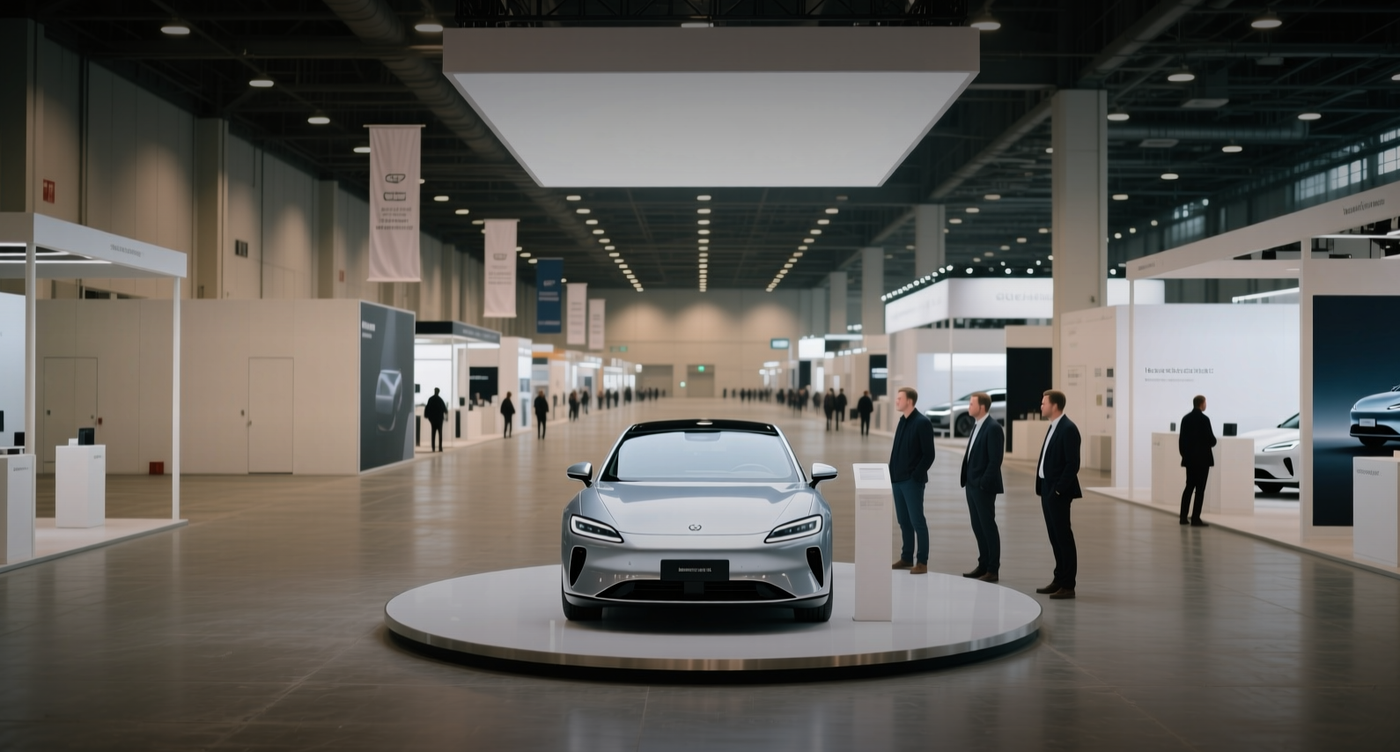
Xiaomi Auto will enter the European market in 2027, starting with Germany, after signing cooperation memorandums with eight leading German auto dealer groups at the IFA 2026 trade show in Berlin, the company announced. The move marks the smartphone maker's first formal distribution push into Europe's largest auto market, where Chinese EV brands have been gaining share against incumbent manufacturers.
"These partnerships establish the foundation for our European retail and service network," a Xiaomi Auto representative said at the IFA event, according to Securities Times. The company did not disclose the names of the dealer groups or the scope of the memorandums, which are non-binding preliminary agreements ahead of formal distribution contracts.
Xiaomi, listed on the Hong Kong Stock Exchange under ticker 1810.HK, launched its first electric vehicle, the SU7 sedan, in China in March 2024. The company has since expanded its lineup and reported strong domestic delivery growth, though it has not yet disclosed European sales targets or vehicle pricing for the German market. The eight-dealer network would give Xiaomi a retail footprint comparable to what BYD and other Chinese EV makers have built in Germany through partnerships with established dealership chains.
The European entry comes as Chinese EV manufacturers face escalating tariff pressure from the European Union, which has imposed additional duties on battery-electric vehicles imported from China. Xiaomi's 2027 timeline gives the company roughly a year to finalize dealer agreements, secure type approvals, and establish service infrastructure before its first vehicles reach European customers. Germany's auto market, which registered approximately 2.8 million new passenger cars in 2025, remains the region's largest and most competitive arena, where Tesla, Volkswagen, and BMW dominate EV sales alongside a growing cohort of Chinese entrants.
Xiaomi's expansion beyond smartphones into EVs is part of a broader diversification strategy that has seen the company invest heavily in its automotive division. The SU7's strong domestic reception — the company delivered more than 130,000 units in its first full year — has given management confidence to pursue international growth. However, European market entry carries higher regulatory and operational costs than domestic expansion, and Xiaomi will compete against established brands with entrenched dealer networks, service capabilities, and brand loyalty.
For investors, Xiaomi's European push represents a potential new revenue stream but also a significant capital commitment. The company trades as a technology conglomerate rather than a pure EV play, which means its automotive losses are partially offset by its smartphone and IoT businesses. Success in Germany could validate Xiaomi's EV strategy internationally and pressure legacy European automakers already ceding ground to Chinese competitors. Failure to gain traction in Europe's most demanding market would raise questions about the scalability of Xiaomi's automotive ambitions beyond China.
This article is for informational purposes only and does not constitute investment advice.
