
The AI capital-expenditure boom that lifted Information Technology 32% in the second quarter is accelerating, even as rising leverage across markets and an uncertain Federal Reserve path threaten the rally's durability.
The AI capital-expenditure boom that lifted Information Technology 32% in the second quarter is accelerating, even as rising leverage across markets and an uncertain Federal Reserve path threaten the rally's durability.
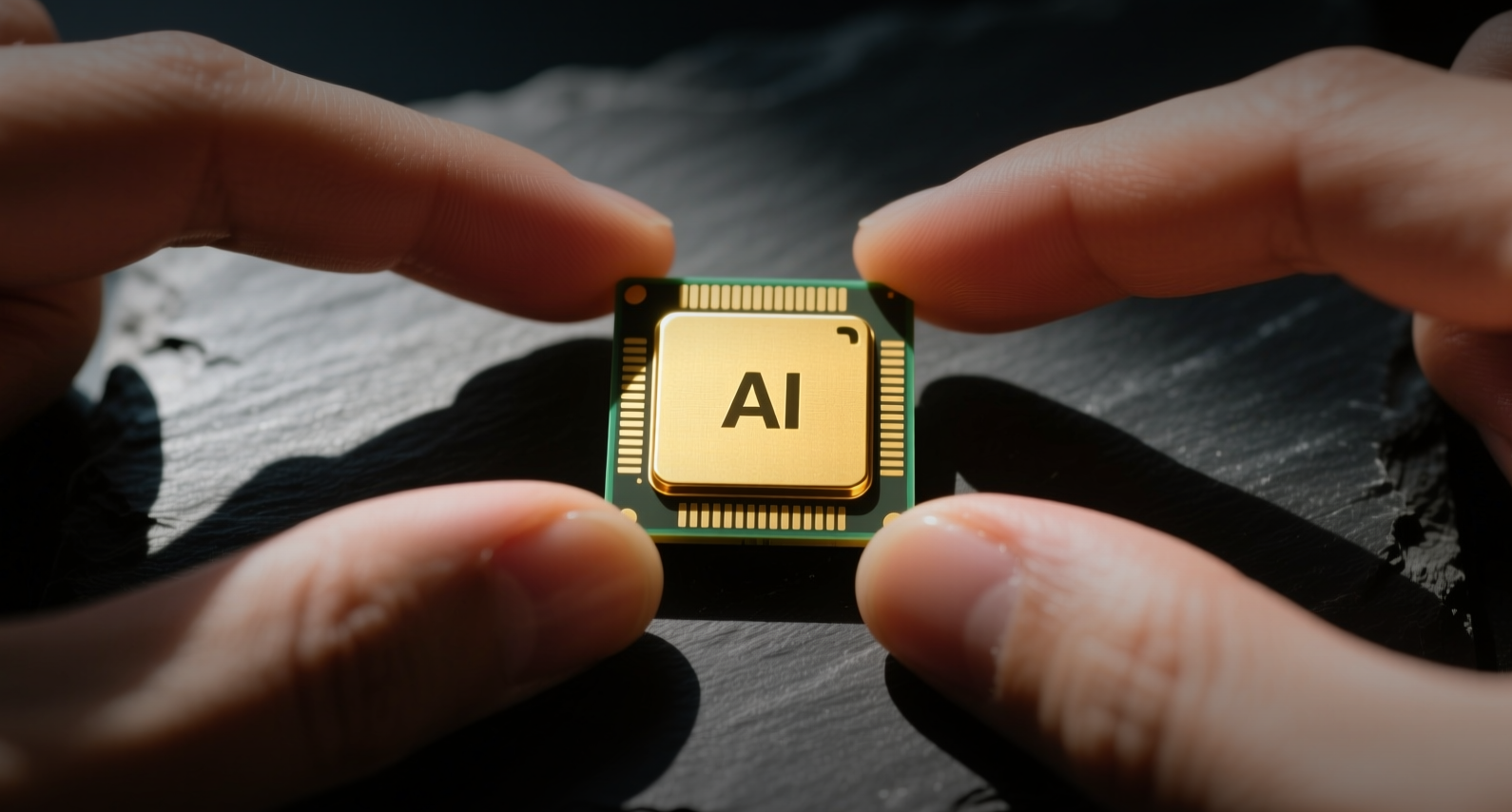
The AI capital-expenditure boom that lifted Information Technology 32% in the second quarter is accelerating, even as rising leverage across markets and an uncertain Federal Reserve path threaten the rally's durability.
The S&P 500 rose 10.1% year-to-date through July, finishing near 7,500, as an accelerating AI capital-expenditure boom lifted Information Technology 32% in the second quarter. The Nasdaq Composite gained 9.5% and the Dow Jones Industrial Average 10.2% over the same stretch, while the small-cap Russell 2000 climbed 19%.
"The AI build-out has moved beyond training models into agentic AI, and the companies supplying the hardware are capturing the growth," said Marko Papic, chief strategist at BCA Research.
Second-quarter S&P 500 earnings from continuing operations rose 45% to 47% from a year earlier, or about 28% excluding one-time gains at Alphabet and Amazon, according to Argus Research. Memory makers Seagate Technology and Western Digital are forecast to post 90%-plus earnings growth, while networking companies Ciena, Arista Networks and Cisco Systems are expected to grow 25% to 50%. Semiconductor giants Broadcom and Nvidia are forecast to deliver at least 80% growth.
The rally's durability hinges on the Federal Reserve, where new Chairman Kevin Warsh faces pressure to raise rates. The CME FedWatch tool shows a 65% probability of a hike by the September meeting and an 87% probability the fed funds rate ends 2026 above the current 3.50%-3.75% range.
Leverage Risks Build Beneath the Rally
Rising leverage across markets threatens to deepen any pullback. The S&P 500's two-year forward price-to-earnings ratio of 20 times sits near the midpoint of its normal 15-to-24 range, down from the low-to-mid 20s readings of 2024-25, according to Argus. The 10-year Treasury yield climbed to 4.75% at the end of July from 4.14% at year-end 2025, while the two-year yield rose to 4.28% from 3.45%.
William Lee of Global Economic Advisors and Jeff Kilburg of KKM Financial joined Papic in flagging the tension between the AI capex boom and growing market fragility. The boom has been a boon for the hardware suppliers underpinning the shift from generative to agentic AI, but the leverage that has financed the build-out could turn a routine correction into a sharper drawdown.
Fed Path in Focus
The Fed's direction is the swing factor. Chairman Warsh, who began his tenure in May, has kept policy on hold at 3.50%-3.75%, with only three of 12 board members voting for an immediate quarter-point hike at the July meeting. Argus Fixed Income Strategist Kevin Heal now expects no rate cuts in 2026. With midterm elections looming in November, little change in policy is expected before the Dec. 9 FOMC meeting.
The AI capex boom continues to drive technology valuations and major index performance, but the combination of elevated leverage, sticky inflation and an uncertain Fed path leaves the rally exposed. Traders pointed to three events that could test the market: a September rate hike, a further rise in the 10-year yield past 4.75%, and any sign that hyperscaler AI spending is peaking. A pullback in the S&P 500 toward its 200-day moving average would be the first technical signal that the leverage concerns are winning out.
This article is for informational purposes only and does not constitute investment advice.
