
Anthropic explored a $7 billion MatX acquisition before talks shifted to partnership, part of a push to design custom silicon ahead of a $2 trillion IPO.
Anthropic explored a $7 billion MatX acquisition before talks shifted to partnership, part of a push to design custom silicon ahead of a $2 trillion IPO.
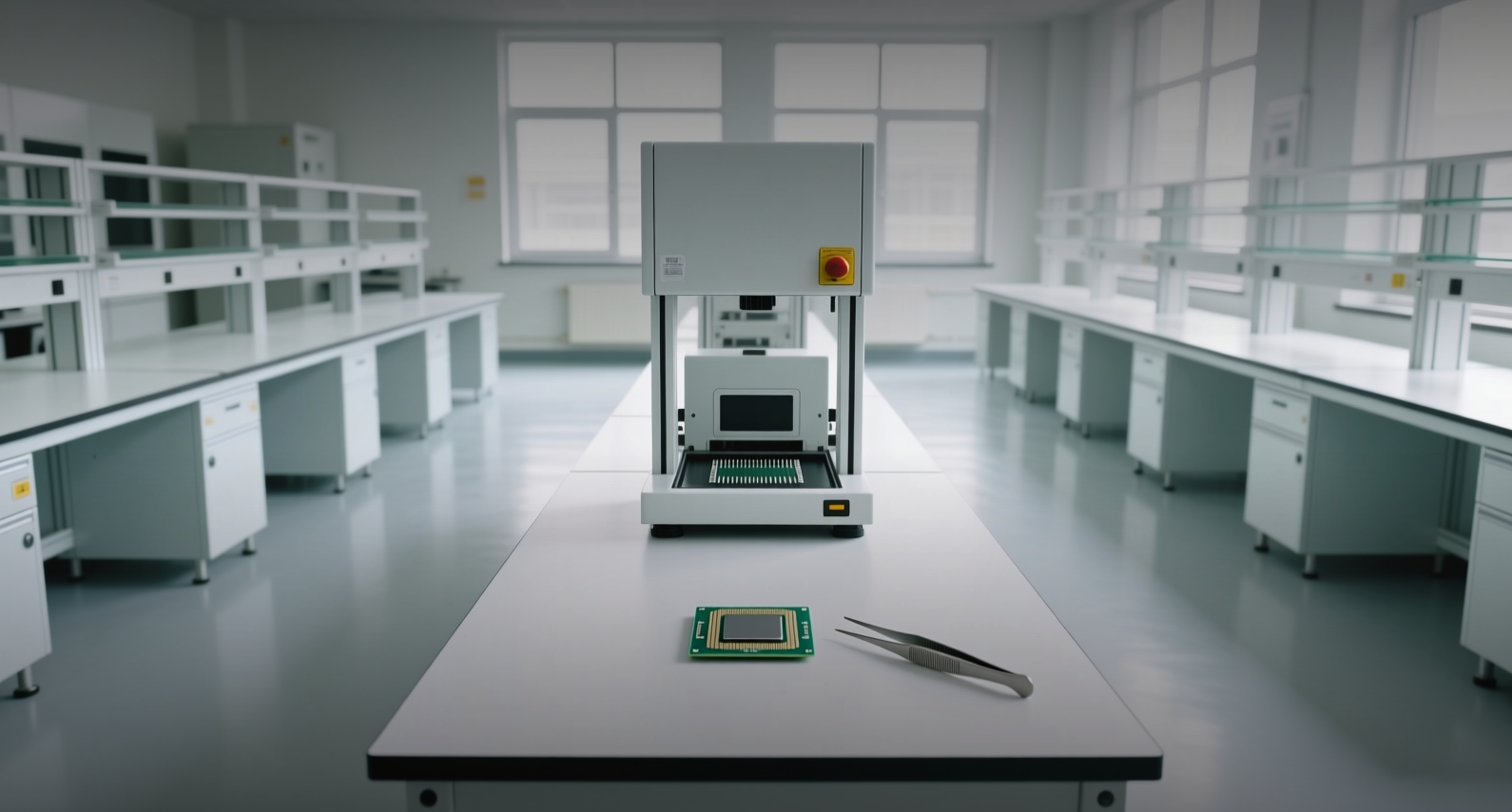
Anthropic discussed buying AI chip startup MatX for roughly $7 billion before abandoning the deal, two people briefed on the matter said, as the lab races to build custom silicon ahead of an expected IPO.
The merger talks, which a third person said have evolved into a discussion about a partnership, show the AI lab's ambition to secure the design talent needed to accelerate in-house chip development, Reuters reported. Reuters could not learn why the acquisition talks stalled.
MatX, founded by former Google tensor processing unit engineers, is now seeking fresh capital at about a $4 billion valuation, one of the people said. The startup has been working on a chip suited for training large AI models, a process distinct from the inference-focused processors that rival OpenAI and other startups are pursuing.
Anthropic's IPO, expected this year, targets a $2 trillion valuation tied to 2028 revenue of as much as $200 billion, Reuters reported earlier this month. Custom chips could lower compute costs and hedge against Nvidia supply tightness that the company said would persist through 2027.
Anthropic plans to spend tens of billions of dollars on compute, including $36 billion to buy Google's AI chips, a $45 billion deal to rent cloud capacity from Nscale, and $1.25 billion a month through May 2029 for SpaceX's Colossus 1 facility, which houses more than 220,000 Nvidia chips. Designing chips in-house is expensive — a single generation can cost hundreds of millions of dollars and take more than a year to produce viable hardware — but could cut procurement costs over the long term.
This week Anthropic hired Google chip veteran Amir Salek, and in June it brought on Clive Chan, a former OpenAI engineer who worked on the OpenAI chip unveiled earlier this year. The hires follow a pattern across leading AI labs: OpenAI this week said its first custom chip, called Jalapeno, outperformed a comparable Nvidia processor on inference energy efficiency. Google has developed TPUs, while Amazon built Trainium and Inferentia chips.
Anthropic, one of the first companies to run its models on hardware from several vendors including Nvidia, Google and Amazon, said it is expanding an in-house silicon team to design custom chips that let Claude models run faster and more efficiently, while keeping a multi-vendor approach.
For investors, the chip push is a margin story. Anthropic's $2 trillion IPO valuation hinges on 2028 revenue of as much as $200 billion, and in-house silicon could meaningfully cut the compute costs that dominate its spending. Nvidia, which said processor supply would stay tight through 2027, faces a growing list of customers building alternatives — a dynamic that could pressure its pricing power even as demand booms.
This article is for informational purposes only and does not constitute investment advice.
