
Six months into the US-Iran war, the conflict has become a war of attrition that is dragging down global growth forecasts and Trump's approval rating.
Six months into the US-Iran war, the conflict has become a war of attrition that is dragging down global growth forecasts and Trump's approval rating.
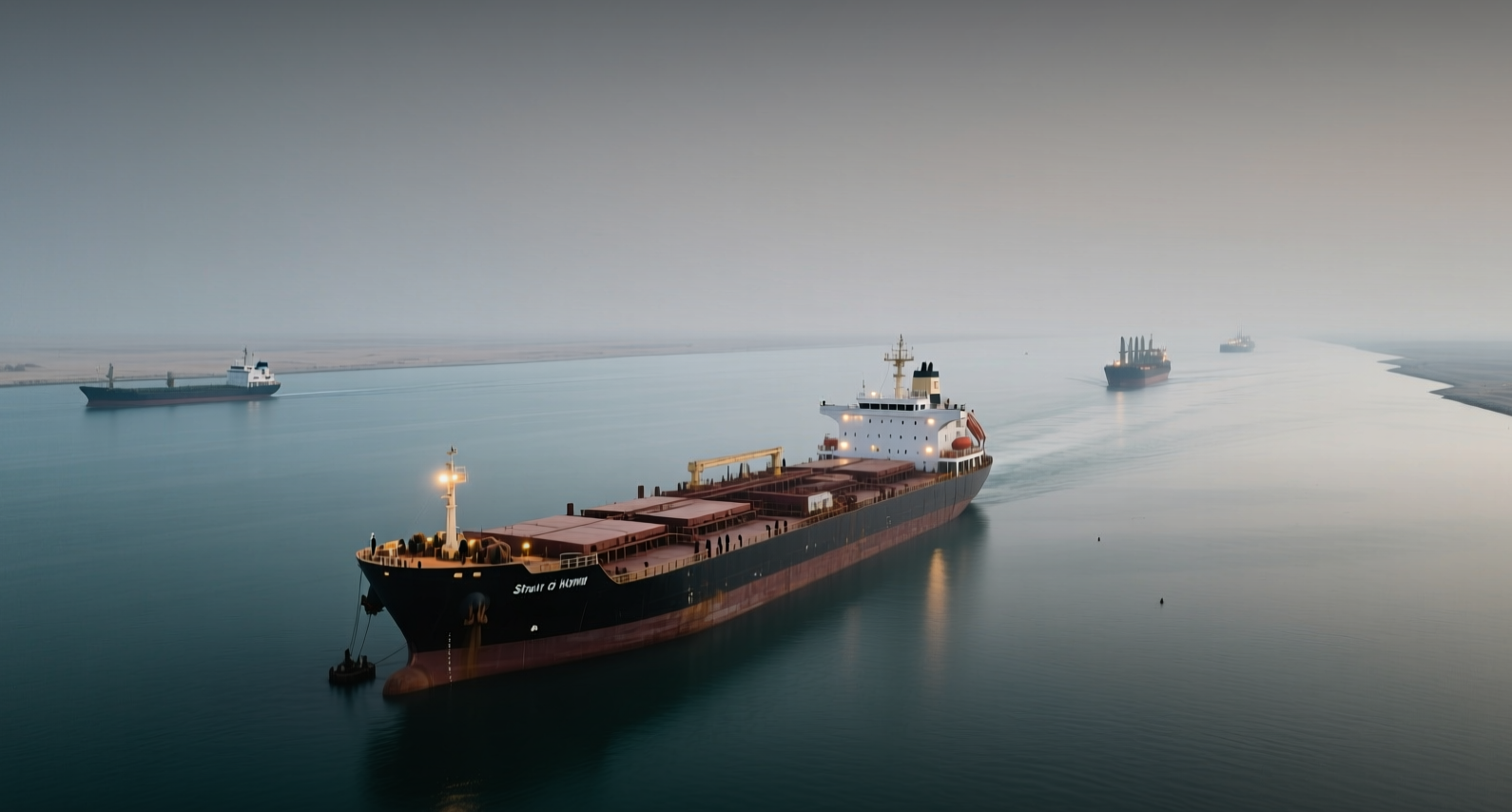
The IMF has cut its 2026 global growth forecast to 3.0%, down from 3.3% in January, as the six-month-old US-Iran war keeps oil elevated and inflation sticky. The downgrade, the fund's second within the year, reflects mounting fiscal pressures and the risk that central banks must hold tight monetary policy to control prices.
"The global economy is resisting powerful headwinds from high debt levels, stubborn inflation, and trade tensions," Kristalina Georgieva, managing director of the IMF, said Tuesday. "Thus far, it has weathered the energy shock caused by the closure of the Strait of Hormuz better than we feared."
Brent crude has hovered in the $80-$90 a barrel range since mid-June, well below spring peaks above $118 yet roughly 25 percent above its pre-war level. US gasoline prices have climbed about 30 percent over the past year and diesel more than 50 percent, while global refinery runs have fallen about 4 million barrels a day, or 5 percent, from a year earlier, according to Energy Aspects. The strain has pushed US 30-year Treasury yields to 19-year highs, prompting Treasury Secretary Scott Bessent to double long-bond buyback sizes.
The IMF will next update its forecasts in mid-October at annual meetings in Bangkok, with the war's trajectory and US midterm elections in November looming over the outlook. Georgieva warned the energy shock is "not over," saying a renewed rise in oil prices could force central banks to retain restrictive policy.
The Strait of Hormuz, which carries roughly a fifth of global oil and liquefied natural gas supplies, has been the conflict's central front. Oil exports through the strait averaged just 2.2 million barrels a day in August, according to Kpler, while total regional crude exports, including shipments bypassing Hormuz, ran about 9 million barrels a day, down from 11 million in July and roughly 17 million in 2025.
Iran's oil exports have been cut about 85 percent from pre-war levels to 250,000 barrels a day in August, yet the government has proven more resilient than anticipated after Supreme Leader Ayatollah Ali Khamenei was killed on the war's first day. The US has destroyed 161 Iranian naval vessels and paralyzed 82 percent of its air defense systems, but confirmed destroying only about a third of Iran's missile arsenal, according to Reuters.
The war has become a political liability for President Donald Trump. His approval rating has fallen to 33 percent from 40 percent since the conflict began, with only 31 percent of Americans supporting the war, below support for the Afghanistan war at the same stage, a Reuters/Ipsos poll shows. Secretary of State Marco Rubio has told allies the US is unlikely to launch new military strikes, shifting to economic pressure, with Bessent expanding sanctions and threatening secondary measures.
The attrition is also straining US military readiness. The US has lost 42 aircraft, used about 65 percent of its Patriot interceptors and drawn down at least 38 percent of its THAAD interceptors, according to the Congressional Research Service and the Center for Strategic and International Studies. The Gerald R. Ford carrier's deployment has exceeded one year, the longest since the Vietnam War.
The last time a conflict of this duration coincided with an IMF downgrade cycle, global growth undershot forecasts for two consecutive years. If the stalemate persists into 2027, the fund's October revision may mark a third cut, keeping oil prices, bond yields and inflation elevated across major economies.
This article is for informational purposes only and does not constitute investment advice.
