

Nearly one million General Motors vehicles face renewed regulatory scrutiny after engine failures persisted despite a 2025 recall.
Nearly one million General Motors vehicles face renewed regulatory scrutiny after engine failures persisted despite a 2025 recall.
Nearly one million General Motors vehicles face renewed regulatory scrutiny after engine failures persisted despite a 2025 recall.
The U.S. National Highway Traffic Safety Administration opened an engineering analysis into 997,743 General Motors pickup trucks and SUVs on Friday, after 499 complaints alleged engine failures continued even after an earlier recall remedy.
The regulator said its new engineering analysis would continue its investigation into post-recall engine failures and assess the effectiveness of GM's fixes, according to the agency's notice.
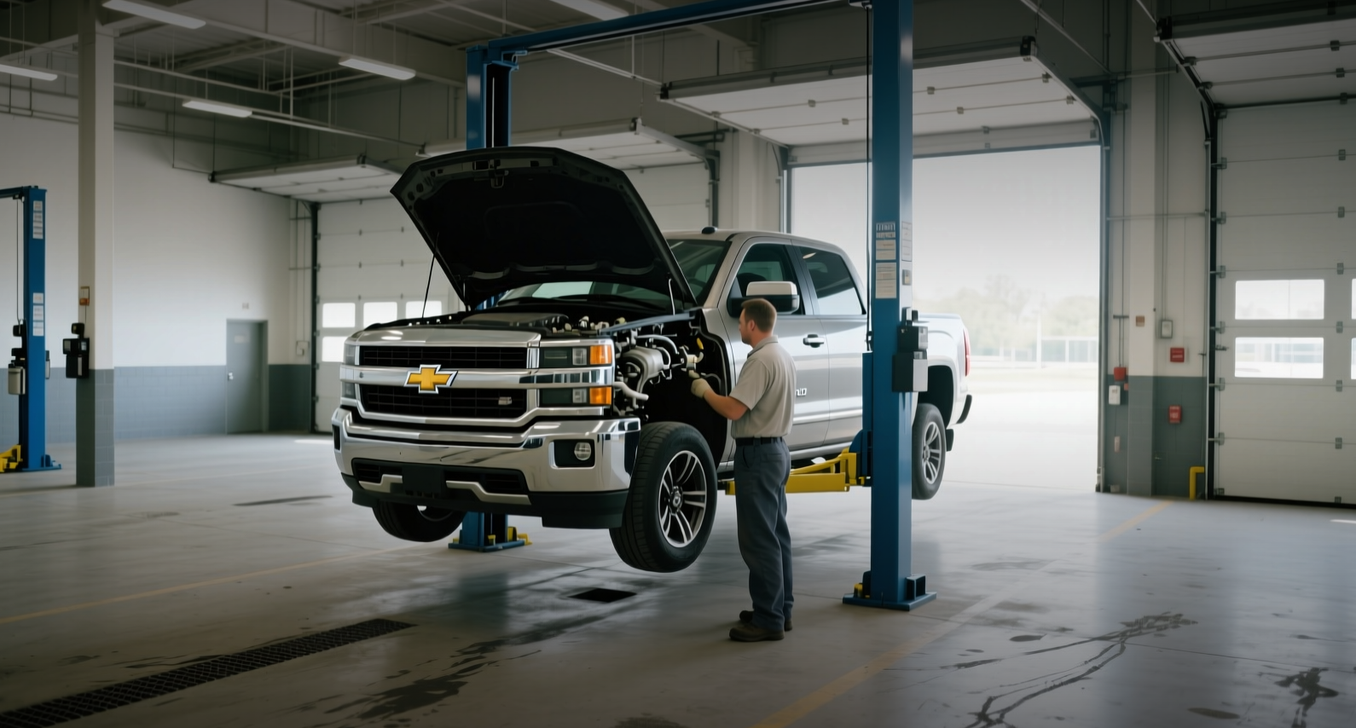
The affected vehicles include the Cadillac Escalade, Chevrolet Silverado 1500 and GMC Yukon, among others, from model years 2021-2026 equipped with GM's L87 engines. GM issued a recall last year to address engine failure concerns in the L87 unit, attributing the issue to a supplier.
The probe raises the prospect of a second, broader recall if NHTSA determines GM's initial fix was inadequate. With nearly one million vehicles in scope, a mandatory recall could carry significant financial and reputational costs for the Detroit automaker, which has been working to stabilize its full-size truck and SUV lineup.
The 499 complaints represent a meaningful failure rate for a recall that was supposed to resolve the issue. NHTSA typically escalates to an engineering analysis when complaint volume suggests a manufacturer's remedy may not have fully addressed a safety defect. The agency's decision to move beyond a preliminary evaluation indicates that the initial recall may not have been sufficient.
The L87 engine is a 6.2-liter V8 used across GM's full-size truck and SUV platform, which includes some of the automaker's most profitable vehicles. The Cadillac Escalade, Chevrolet Silverado 1500 and GMC Yukon are flagship models that generate substantial revenue for GM. A second recall covering nearly one million vehicles would add to GM's warranty costs and could affect consumer confidence in the brand.
GM attributed the original engine failure issue to a supplier, but the NHTSA probe will examine whether the fix itself was adequate. The engineering analysis will assess the effectiveness of GM's recall remedy and determine whether further action is required. If NHTSA finds the remedy insufficient, it could order a second recall or require GM to implement additional repairs.
The probe comes at a time when GM has been working to maintain its position in the highly competitive full-size pickup and SUV segment. Ford's F-Series and Stellantis's Ram trucks compete directly with the Silverado, and any quality concerns could shift buyer preferences. The regulatory scrutiny also adds another layer of uncertainty for GM as it navigates the transition to electric vehicles while maintaining its profitable internal combustion lineup.
For GM shareholders, the probe introduces potential financial liability. A mandatory second recall would require GM to cover parts, labor and logistics costs across nearly one million vehicles. The company could also face fines from NHTSA if the agency determines GM failed to adequately address the defect. Beyond direct costs, the reputational damage from a high-profile safety probe could weigh on GM's stock valuation.
The NHTSA's engineering analysis is the second stage of its defect investigation process, following a preliminary evaluation. The agency will review technical data, inspect failed components and evaluate GM's recall remedy. If the analysis confirms a safety defect, NHTSA can issue a recall demand or escalate to a formal investigation. The timeline for the analysis is not yet disclosed, but similar probes typically take several months to complete.
The engineering analysis is a formal step in NHTSA's defect investigation process. The agency will gather data from GM, inspect failed components and analyze complaint patterns. If the analysis finds that GM's recall remedy was ineffective, NHTSA can issue a recall demand, which would require GM to take corrective action. The agency could also impose civil penalties if it determines GM violated federal safety regulations.
The outcome of this probe will also be watched closely by other automakers that use similar engine architectures. The L87 is part of GM's broader small-block V8 family, and any systemic issue could have implications beyond the specific models named in the probe. Suppliers to GM's engine program may also face scrutiny as NHTSA examines whether the root cause was a component defect or a design flaw.
This article is for informational purposes only and does not constitute investment advice.
