
A newly confirmed Republican gives the NLRB a 3-1 majority expected to reverse the 2023 Cemex card-check ruling, reshaping union organizing after a violent Teamsters blockade at Amazon's Riverside warehouse.
A newly confirmed Republican gives the NLRB a 3-1 majority expected to reverse the 2023 Cemex card-check ruling, reshaping union organizing after a violent Teamsters blockade at Amazon's Riverside warehouse.
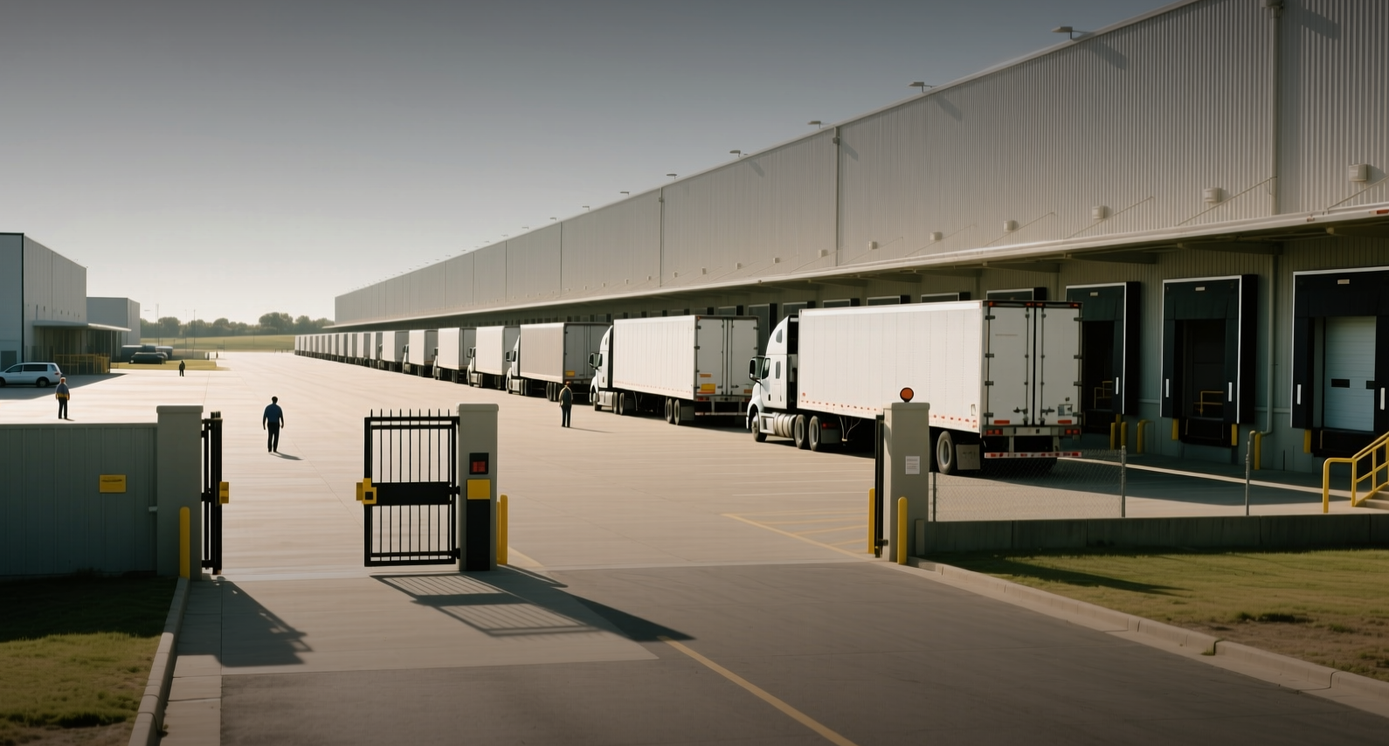
A violent Teamsters blockade at Amazon's Riverside, California, warehouse has handed the NLRB's newly confirmed 3-1 Republican majority a concrete case for overturning the 2023 Cemex decision, the card-check ruling that underpinned the union's organizing drive.
"Reversing Cemex ought to be at the top of the agency's agenda, along with policing union thuggery," the Wall Street Journal editorial board wrote, casting the Riverside clash as an early test of how the reconstituted agency will treat organizing tactics.
The dispute began when the Teamsters demanded Amazon bargain after claiming a majority of workers at the DCK6 facility had signed cards supporting the union, even though no secret-ballot election was held and the NLRB had not certified the union. When Amazon refused, the union staged a one-day "unfair labor practice strike" last Wednesday in which organizers — most of them not Amazon employees — blocked vehicles from entering and exiting the site. Three people were hospitalized after a motorcyclist working for an Amazon contractor knocked down two protesters and was beaten by Teamsters as he lay on the ground. Amazon said it had notified the Riverside County Sheriff's Department several times of "hostile acts" and blocked access before law enforcement responded.
The legal backdrop is the NLRB's 2023 Cemex ruling, which held that an employer refusing card-check recognition must promptly petition the agency for an election, and that failing to do so lets the NLRB order it to bargain. Crafted under the Biden board to ease union organizing, the decision has not been applied at the Riverside facility by the current NLRB. The Senate last month confirmed a third Republican member, handing Republicans a 3-1 majority and the votes needed to overturn Cemex.
For Amazon and other large employers, the stakes are structural rather than stock-moving. Cemex effectively converted a union's card-check claim into a presumption of bargaining rights unless the employer raced to file for an election, raising the cost of resisting an organizing drive. Reversing it would restore the employer's option to decline card-check recognition and force a union to win a secret-ballot vote — the standard that governed most organizing before 2023. The Teamsters' campaign at Amazon, which has no unionized US workforce, has leaned on the ruling to press recognition demands the company says it has no legal duty to meet.
The shift carries a broader signal for the roughly 14 million US workers in unions and the employers that bargain with them. A Cemex reversal would not bar card-check organizing outright, but it would blunt the NLRB's most aggressive tool for compelling bargaining without an election, likely slowing the pace of new certifications in logistics, warehousing and other sectors the Teamsters and rival unions have targeted. The board's next moves — whether it formally rescinds Cemex through a new rulemaking or case-by-case rulings — will set the template for how the 3-1 majority handles similar disputes.
The immediate question is whether the NLRB acts before the next organizing fight reaches it. The Riverside incident, with three hospitalizations and a blockade that law enforcement declined to break up until people were hurt, gives the majority a concrete case to cite in any reversal. If the board overturns Cemex, unions lose the presumption that made Amazon-style refusal a bargaining trigger; if it declines, the Teamsters' playbook of card-check claims backed by street pressure retains legal force. Either path will be tested in the next high-profile organizing campaign, with the outcome determining whether card-check recognition or secret-ballot elections become the default for American labor law.
This article is for informational purposes only and does not constitute investment advice.
