Nvidia is tuning its software stack for Chinese open AI models even as Washington weighs restrictions that could sever the chipmaker from that fast-growing developer base.
Nvidia is tuning its software stack for Chinese open AI models even as Washington weighs restrictions that could sever the chipmaker from that fast-growing developer base.
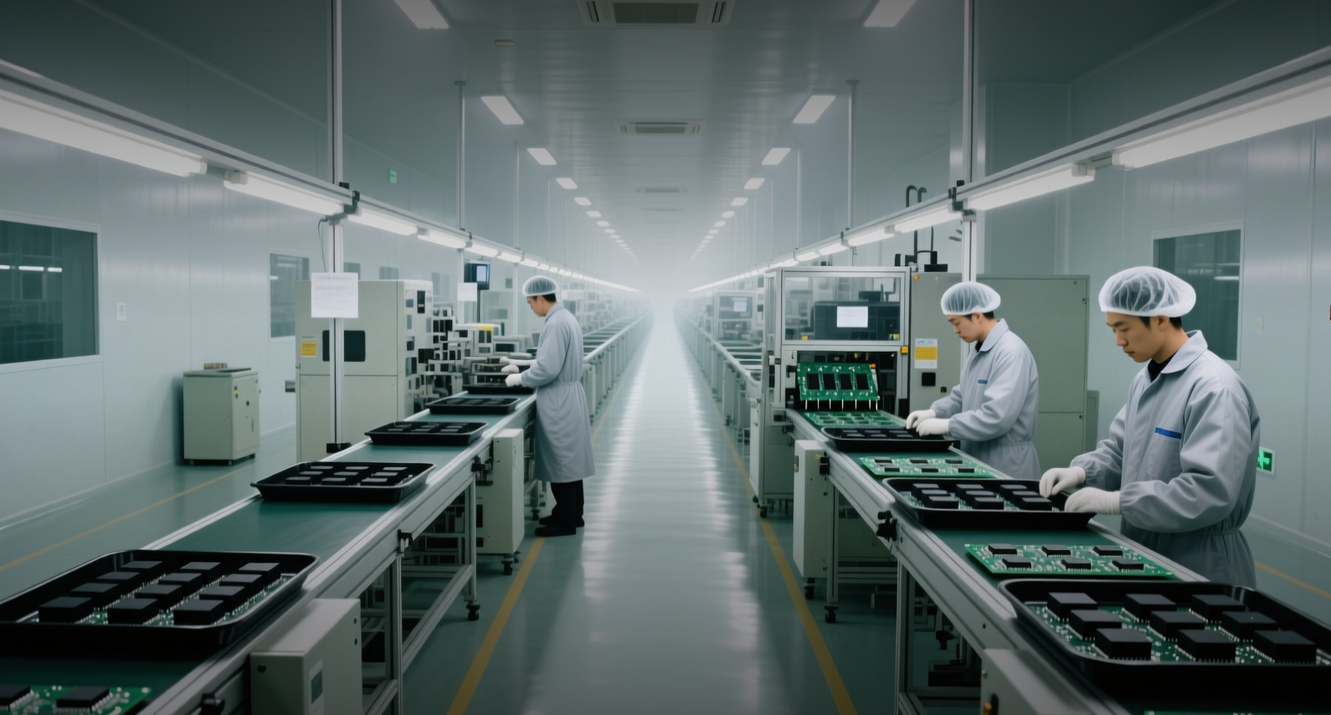
Nvidia is optimizing its hardware for Chinese open AI models such as DeepSeek's V4 Flash and Alibaba's Qwen 3.8, a bid to keep global developers on its chips even as Washington weighs new semiconductor tariffs.
"Providing support for models worldwide allows developers to build on the American tech stack," an Nvidia employee who asked not to be named because they weren't authorized to share the information told CNBC.
The company highlighted a "local AI initiative with optimizations for top open models" alongside systems developed by Google and Nvidia itself. In August it added "day-zero support" on RTX GPU systems for Qwen3.8-27B and updated software to make it easier to cluster multiple DGX Spark systems, which matters for running Chinese models including Z.ai's GLM 5.2 and DeepSeek V4 Flash.
The push comes as Nvidia's second-quarter net income more than doubled to $59.7 billion on revenue that climbed 106 percent, and as the White House weighs restrictions that could limit support for apps built on Chinese foundation models such as DeepSeek, Qwen or Kimi.
Chinese AI models have made large capability gains in 2026, and their adoption by developers worldwide — including in the United States — has intensified concern among lawmakers in Washington. Open AI models, which can be modified and self-hosted, have become a flashpoint in the race for technological supremacy between the U.S. and China, in contrast to the closed systems produced by OpenAI and Anthropic.
Nvidia warned in an SEC filing tied to its second-quarter earnings that any "regulatory control or other restriction that limits our ability to provide products and services" supporting apps built on models "such as DeepSeek, Qwen or Kimi" could have a material impact on business.
Tariff threat and the developer race
The Trump administration is reportedly considering new tariffs on U.S. semiconductors, with duties potentially covering laptops, data center servers and gaming hardware, according to a Politico report citing eight people familiar with the matter. The White House told Politico that "reshoring semiconductor manufacturing is a top priority for President Trump." A White House official separately told CNBC that reporting on tariffs should be regarded as "baseless speculation" unless officially announced.
The U.S. is also mulling restrictions that would limit Nvidia's ability to support "third-party applications and models built on open-source foundation models originating in China," the company said. In January, the administration imposed a 25 percent tariff on certain AI chips, and Trump has previously floated tariffs of "approximately 100 percent" on semiconductors.
Nvidia is not alone in pushing back against government intervention in open models. Microsoft, Meta, Palantir and more than 20 other companies joined the chipmaker in July in urging policymakers to avoid "premature restrictions" on open-weight models.
Chinese chipmakers close in
Chinese chipmakers including Huawei, which makes the Ascend series of processors, and Alibaba have announced their own optimizations for open models, including the DeepSeek and Qwen series, in recent months. "Developers will play a crucial role in building the winning AI ecosystem," the Nvidia employee said. "China has one of the largest populations of developers in the world, creating open-source foundation models. Every model should run best on the U.S. technology stack."
Nvidia's optimization of its hardware for Chinese AI models reflects their "growing influence" within the global AI ecosystem, Charlie Dai, vice president and principal analyst at Forrester, told CNBC. "By optimizing platforms such as DeepSeek and Qwen, Nvidia is reinforcing its position as the preferred infrastructure layer for AI developers and enterprises regardless of where leading models originate," he added.
There are worries that Chinese AI models, which are increasingly capable and typically cheaper than American alternatives, could become the default for developing countries. "If Chinese AI technology becomes the default for developing countries, those countries may be more likely to align themselves politically with Beijing and Chinese AI companies get a beachhead in their markets," Daniel Remler, senior fellow at the Center for a New American Security, told CNBC.
Nvidia shares rose after the company reported better-than-expected second-quarter results and issued revenue guidance that topped estimates. The chipmaker, which holds a near monopoly on the most advanced AI chips, has seen its stock rise more than 10 percent so far in 2026. The dual-track strategy — deepening support for Chinese models while defending against U.S. restrictions — leaves Nvidia exposed to regulatory risk in both directions: tariffs could curb its China revenue, while deeper integration with Chinese AI models strengthens its hardware dominance.
This article is for informational purposes only and does not constitute investment advice.
