
OpenAI signed a multi-year agreement with Nvidia-backed Firmus to secure computing capacity from two Malaysian data centres, making the ChatGPT maker an anchor customer and lifting the Australian firm's contracted load past 900 megawatts.
OpenAI signed a multi-year agreement with Nvidia-backed Firmus to secure computing capacity from two Malaysian data centres, making the ChatGPT maker an anchor customer and lifting the Australian firm's contracted load past 900 megawatts.
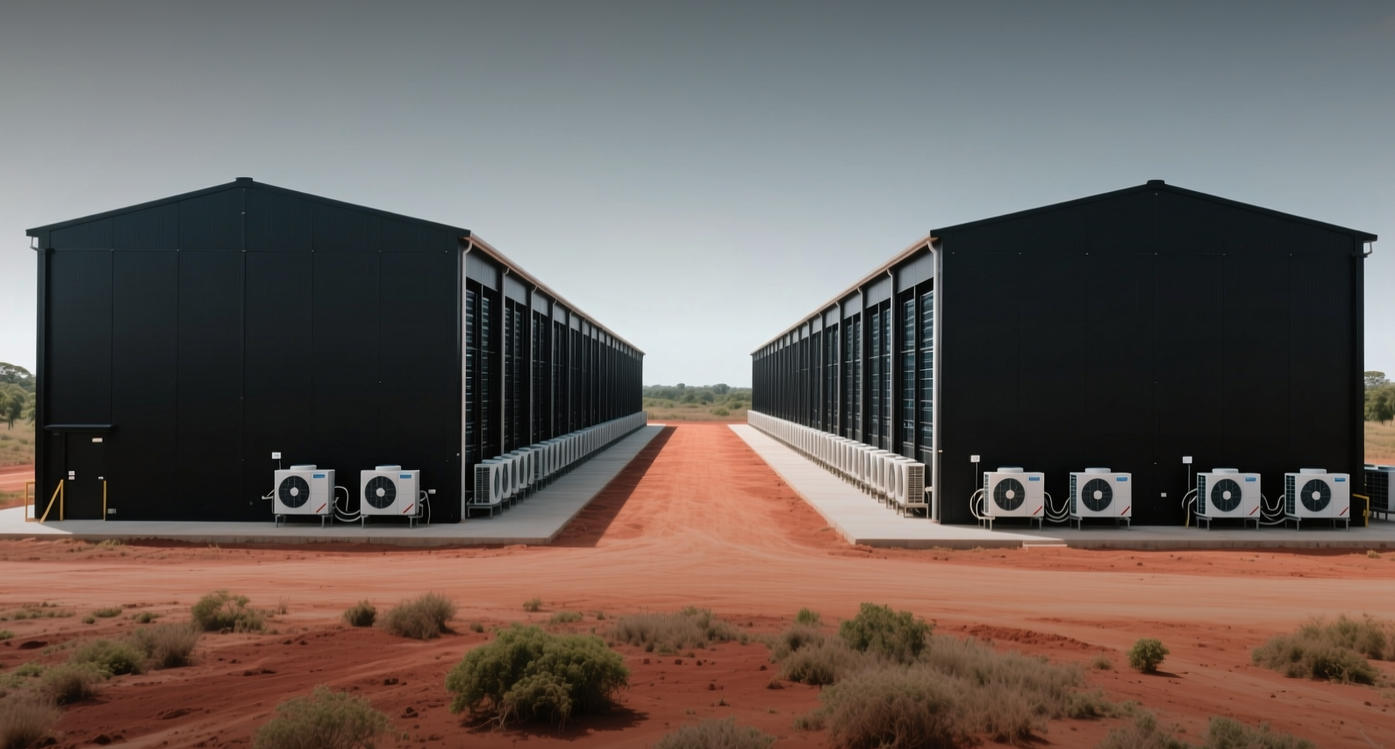
Firmus, the Nvidia-backed Australian AI infrastructure provider, has locked in OpenAI as an anchor customer for two Malaysian data centres, pushing its contracted capacity past 900 megawatts.
The multi-year agreement, announced Sept 8, gives the ChatGPT maker priority access to compute from facilities that will run Nvidia's next-generation Vera Rubin processors, according to Reuters. It comes ahead of a rumoured Firmus initial public offering in 2026 that could rank among Australia's largest in recent years.
Firmus was valued above US$10.5 billion in its latest fundraising, with backing from Nvidia, Jane Street, Blackstone funds and Coatue Management. Its portfolio spans two operational AI data centres in Australia and Singapore, with five more under development across Asia-Pacific. Malaysia has become Southeast Asia's fastest-growing data centre market, though the rapid build-out has drawn scrutiny over electricity and water use.
The deal lands as OpenAI races to secure power and capacity for increasingly capable models, having unveiled Astra — which it calls its most capable model yet — last week. Firmus declined to comment on the contract value, and OpenAI did not respond to a request for comment.
The agreement is the latest in a string of OpenAI compute procurements that show the model maker securing infrastructure well before demand peaks. Nvidia has committed up to US$100 billion to OpenAI's data centre expansion and separately weighed a roughly US$250 billion financing backstop for a large-scale US project, according to reports cited by Business Today. Firmus' win also shows hyperscale demand spreading beyond the US into Southeast Asia, where Malaysia's palm-oil estates are being converted into data centre campuses.
The anchor-customer structure matters for how the sector finances its build-out. Rather than speculating on future demand, providers such as Firmus can underwrite new construction against signed multi-year contracts, lowering the cost of capital for projects that can each draw hundreds of megawatts. That model helps explain why Malaysia, with its land and power availability near Singapore, has drawn hyperscalers and specialist operators alike into what is now the region's fastest-growing data centre market.
For Firmus, the anchor contract strengthens the case for its rumoured listing, giving investors a clearer view of contracted revenue. For the sector, OpenAI's willingness to sign multi-year capacity agreements at scale shows that AI infrastructure demand remains structurally strong even as questions mount over power and water consumption. Nvidia's Vera Rubin deployment across Asia-Pacific ties chip sales directly to the data centre build-out, giving investors a concrete gauge of the AI capex cycle.
The deal also sharpens the competitive picture among AI infrastructure providers chasing the same hyperscale customers. Firmus, valued above US$10.5 billion, now joins a crowded field of Nvidia-backed operators competing for anchor tenants, with contracted capacity of more than 900 megawatts giving it scale to bid on the largest multi-year agreements. Whether that capacity translates into profitable operations will hinge on utilisation rates and power costs, the two variables that most determine data centre economics.
This article is for informational purposes only and does not constitute investment advice.
