
US drivers face record-high gasoline prices for the 2026 Labor Day weekend as the Middle East war keeps crude costs elevated, adding to inflation pressure as midterm Congressional campaigns begin.
US drivers face record-high gasoline prices for the 2026 Labor Day weekend as the Middle East war keeps crude costs elevated, adding to inflation pressure as midterm Congressional campaigns begin.
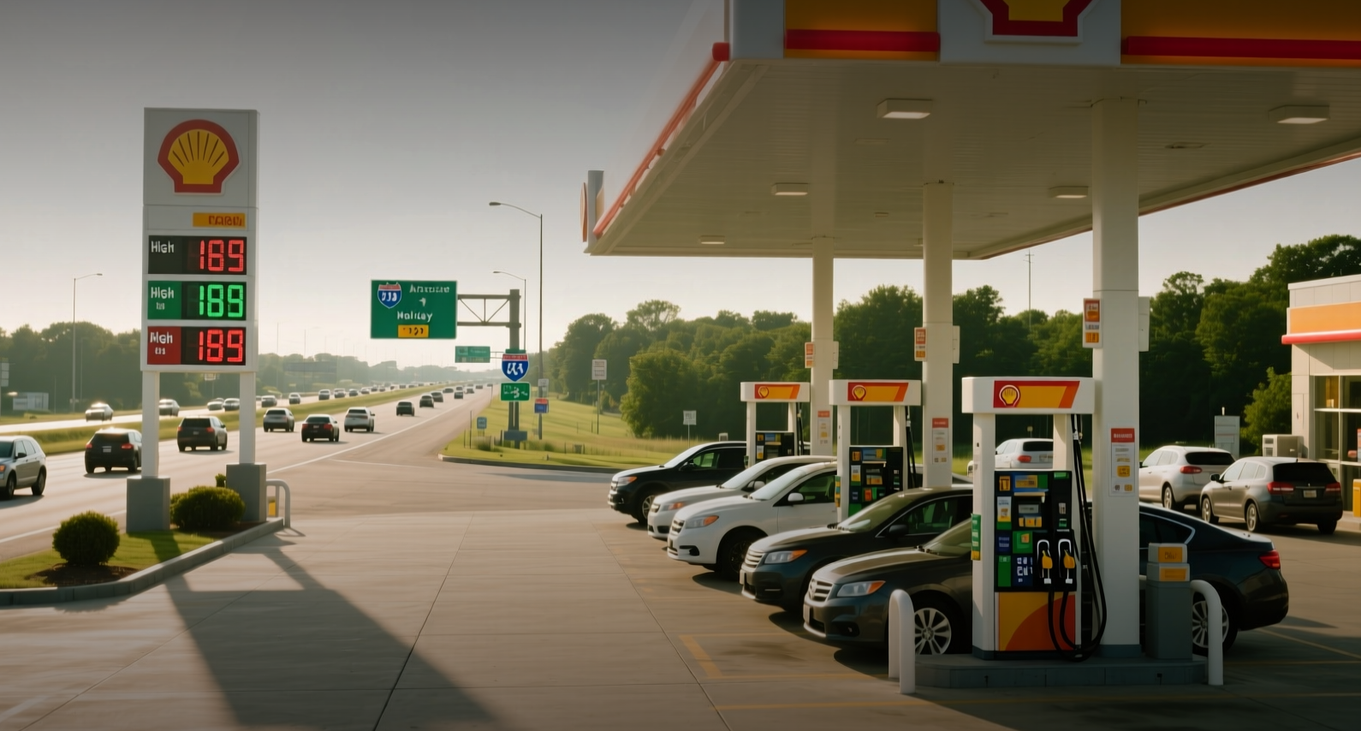
American motorists are paying more at the pump than ever before for the 2026 Labor Day weekend, with the Middle East war keeping global energy costs elevated as midterm Congressional campaigns get underway.
The record retail prices trace to crude, where the conflict has kept a persistent risk premium on global barrels since it began. That supply-side shock flows through refining and distribution into gasoline, leaving households to absorb the cost at the peak of the summer driving season. Because the Labor Day weekend is traditionally one of the heaviest travel periods of the year, the burden on discretionary budgets is magnified precisely when demand is strongest.
The timing compounds the economic stakes. Elevated energy costs feed directly into inflation expectations, complicating the Federal Reserve's path as it weighs how much of the price pressure is transitory against how much is structural. For consumers, higher fuel bills crowd out spending on other goods and services, a drag that shows up unevenly across retail, travel and restaurant sectors. Airlines and consumer discretionary names carry the most exposure to sustained fuel costs, while energy producers capture the upside from firmer crude. The last comparable stretch of elevated pump prices, during the 2022 energy shock, coincided with a sharp pullback in consumer confidence and a tightening of Fed policy that rippled across equities.
The political dimension is equally direct. The record prices arrive as candidates for the midterm Congressional elections begin their campaigns, making gasoline a central pocketbook issue on the trail. Incumbent parties historically face headwinds when energy costs climb into an election cycle, and the war's persistence gives opponents a ready-made line of attack on affordability. With the conflict showing no sign of near-term resolution, the risk premium embedded in crude is unlikely to fade quickly, keeping pressure on both consumers and policymakers through the campaign season.
This article is for informational purposes only and does not constitute investment advice.
