

Tesla plans to put its driverless Cybercab on Austin public roads by the end of August, its first vehicle with no steering wheel or brake pedal.
Tesla plans to put its driverless Cybercab on Austin public roads by the end of August, its first vehicle with no steering wheel or brake pedal.
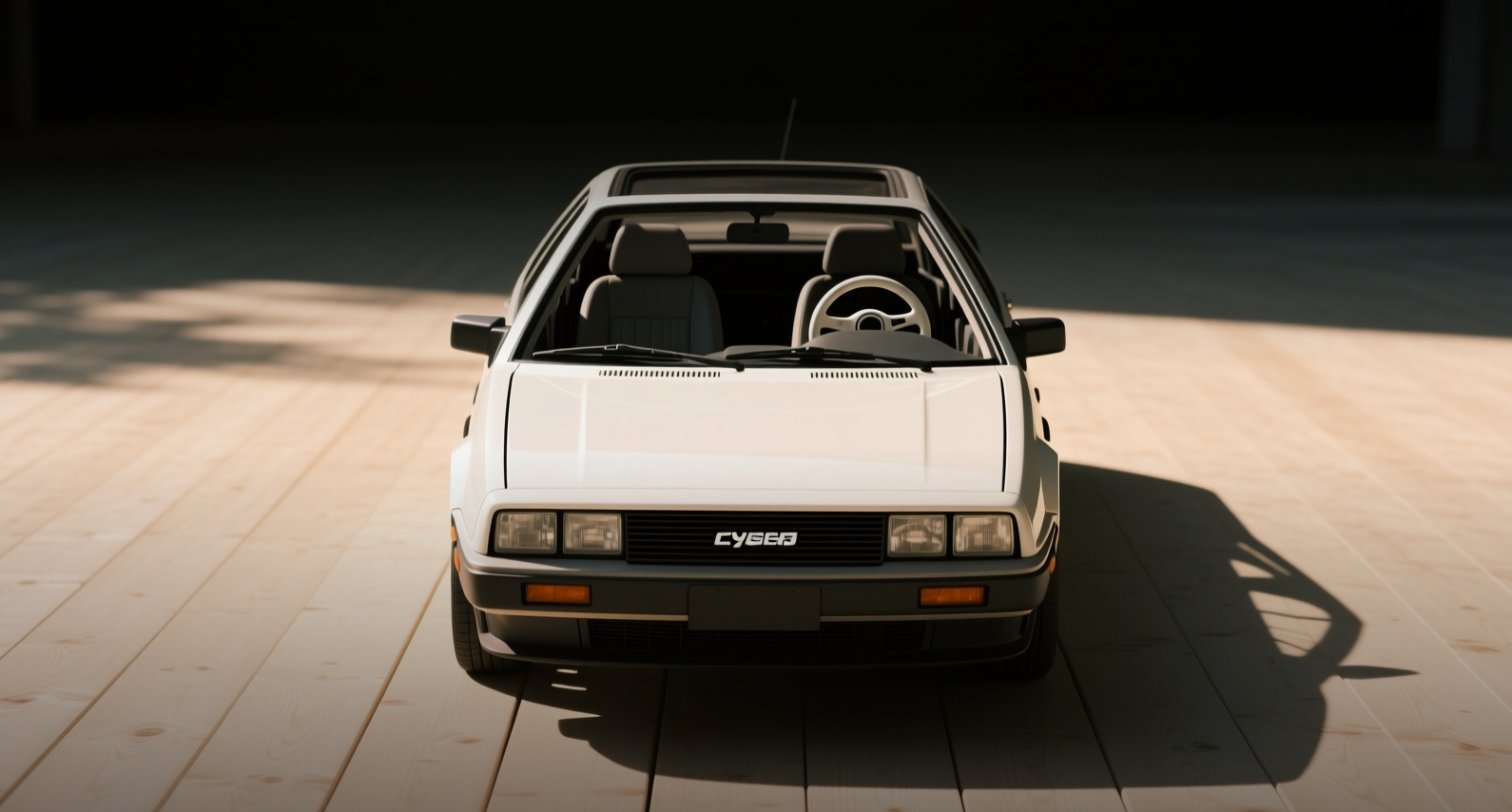
Tesla is days from putting its purpose-built Cybercab on Austin public roads, a two-seat robotaxi with no steering wheel or brake pedal and no manual fallback for riders.
"We need to accumulate driving data that is specific to the Cybercab before we can put a lot of them on the road," Elon Musk, chief executive at Tesla, said on the company's July earnings call.
The Information reported Monday that Tesla has told staff it targets a public debut in Austin as soon as the end of August, beginning with employee rides on public streets before folding the vehicles into the Robotaxi service that has operated in the city since June 2025. That existing fleet runs about 186 modified Model Y vehicles inside a constrained geofence. Third-party trackers cited by industry outlets counted 245 Cybercabs parked at Gigafactory Texas by July 18, and Tesla listed installed annual manufacturing capacity above 125,000 units in its second-quarter update.
The launch is central to Tesla's shift from EV maker to autonomy and robotics company, a transition the firm expects to cost more than $25 billion this year, roughly three times 2025's $8.5 billion capital expenditure. TSLA shares, down 25 percent year-to-date, closed Monday at $339.30, and the rollout puts direct pressure on Alphabet's Waymo, the current leader in US driverless ride-hailing.
The Cybercab is not a modified production car. It is a two-seat vehicle designed from the ground up to operate without a driver, and it ships without a steering wheel or brake pedals. That design decision has operational consequences: there is no fallback for a human to take over inside the vehicle, so the service relies entirely on the autonomy stack and Tesla's remote-support infrastructure. Tesla has remote operators who can monitor and take control in emergencies.
The company has been preparing for months. Pilot production kicked off in February 2026, on-road testing in Austin began in June, and employees started taking rides on private roads around the Austin campus in July to generate feedback. Tesla also completed emergency training with Austin first responders last week on handling the vehicles, including moving them if needed. Tesla's Robotaxi account posted photos on August 10 showing the first Cybercab with a Starlink antenna built into the roof, parked at Gigafactory Texas — baked-in satellite connectivity that would give a driverless fleet a resilient link to Tesla's remote-monitoring backend where cellular coverage drops.
Tesla is gathering miles using units retrofitted with steering wheels and pedals for calibration. AI executive Ashok Elluswamy called the Cybercab "a phenomenal product" that riders "instantly fall in love with," adding that manufacturing targets align with unsupervised Robotaxi mile growth.
For existing Tesla owners, the Cybercab is a fleet-owned vehicle, not a consumer product, and Tesla has made no announcement about individual purchases. The relevance is indirect: the miles the Cybercab accumulates in Austin feed the same broader autonomy stack that eventually rolls into FSD updates on customer cars. Musk's framing on the July call — that the Cybercab platform needs its own dataset — implies a distinct training loop, but the underlying neural nets are shared architecture.
For Austin riders currently using the Robotaxi service, the practical change is that within days after the employee phase, requests through the Robotaxi app could be fulfilled by a Cybercab instead of a Model Y. Tesla has not detailed how the app will surface vehicle choice, pricing differences, or whether the initial Cybercab pool will be geofenced more tightly than the Model Y pool.
The end-of-August window is tight — less than two weeks from the date of the report — and Tesla has missed self-imposed dates on Robotaxi milestones before. But the combination of hundreds of Cybercabs at Gigafactory Texas, months of public-road testing, integrated Starlink hardware, and an employee-ride program already running on private roads suggests the pieces are in place. The next signal will come from Tesla itself.
This article is for informational purposes only and does not constitute investment advice.
