
Trump invoked the never-used Section 338 law to ban Canadian dairy, alcohol and motorcycle imports, retaliating against Ottawa's 15-50 percent tariffs on $20 billion of US goods.
Trump invoked the never-used Section 338 law to ban Canadian dairy, alcohol and motorcycle imports, retaliating against Ottawa's 15-50 percent tariffs on $20 billion of US goods.
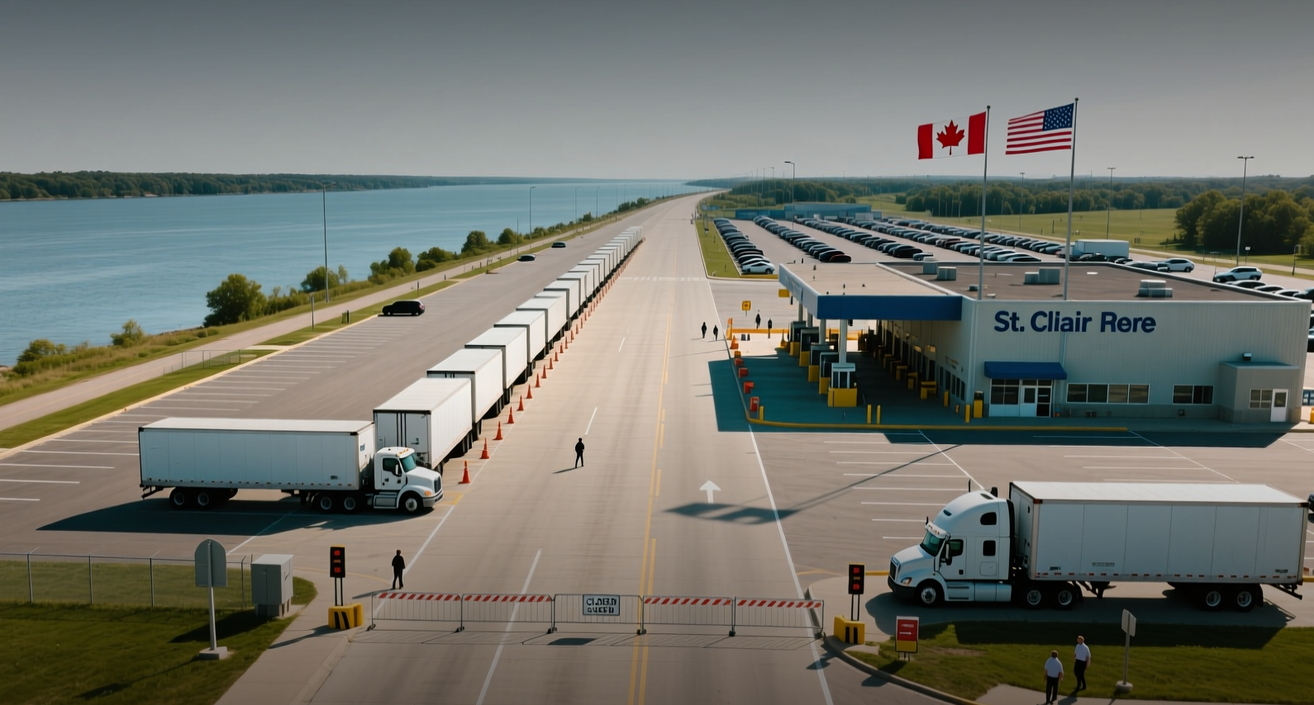
President Donald Trump escalated the US-Canada trade war Tuesday, signing orders to block Canadian dairy, alcohol and motorcycle imports in three weeks under a 1930 statute never used before his August round of tariffs.
"What we are worried about is an escalatory spiral," said Michael Harvey, executive director of the Canadian Agri-Food Trade Alliance and a member of Prime Minister Mark Carney's advisory committee on bilateral US economic relations. "But at the same time, we totally understand that the prime minister needs to find areas of leverage."
The import bans take effect Sept. 29, three weeks after Canada's retaliatory duties of 15-50 percent on about $20 billion of US goods landed at 12:01 a.m. Tuesday. Trump also modified existing 50 percent tariffs, removing levies on cement, road salt and hospital pads while adding duties on all-terrain vehicles, some cheeses and motor boats, effective Sept. 15. The changes leave the dollar volume of Canadian exports subject to tariffs unchanged at $20 billion, or about 5 percent of shipments to the US.
The escalation rests on Section 338 of the Tariff Act of 1930, a provision that lets the president impose trade prohibitions or tariffs of up to 50 percent on nations deemed to discriminate against US firms. The statute had never been used, or tested in court, until Trump applied it to Canada in late August, and the new prohibitions cover a dollar volume of trade in the "single-digit billions," a senior administration official said. The White House framed the alcohol ban as a response to province-level Canadian bans on US alcohol imposed after Trump's earlier duties.
Canada ships almost 68 percent of its total exports to the United States, with roughly 80 percent moving duty-free under the USMCA pact. The new tariffs do not allow Ottawa to invoke USMCA exemptions, clouding the outlook for an agreement that faces annual reviews after Trump declined to extend it for another decade. US goods exports to Canada totaled $333.6 billion in 2025, while imports reached $381.9 billion, according to the US trade representative.
Trump has threatened to raise levies on Canadian metals and vehicles to 50 percent on Jan. 1, 2027, a step a senior administration official said remains in effect. He also posted on Truth Social directing the General Services Administration and US trade representative to remove Canadian firms from the government's Multiple Award Schedules, and separately floated banning Bombardier aircraft sales in the US — a move still under review that drew a warning from Republican Sen. Jerry Moran that the Canadian jet maker employs more than 1,000 workers in Wichita, Kansas. The tit-for-tat actions have so far spared the most sensitive trade, including Canadian oil and gas and the potash fertilizer US farmers rely on.
Just 20 percent of Americans approved of Trump's tariffs on Canadian goods, a Reuters/Ipsos poll found, while Carney said Canada would not return to the negotiating table "when the Americans stop doing memes, stop throwing shade, stop trying to be tough and start being serious." Since Carney terminated talks Aug. 21, Treasury Secretary Scott Bessent has likened Canada to "a little yippy dog," and Trump renamed Lake Ontario as Lake America. The standoff leaves border-state industries in Michigan, New Hampshire and Maine exposed to further retaliation ahead of competitive midterm elections.
For Canada, the confrontation pits an economy 13 times smaller against its largest trading partner, with polls showing Carney's support could erode within months as the costs of the trade war sink in. Harvey urged Ottawa to "keep channels open to the United States and not go overboard in terms of rhetoric," while waiting for the American decision-making process "to come back to economics." With no ministerial talks under way, the next flashpoint is Jan. 1, when the threatened 50 percent duties on vehicles and metals would mark the steepest escalation yet.
This article is for informational purposes only and does not constitute investment advice.
