
FIFA's three-minute hydration breaks, designed for player safety in the North American summer heat, have become high-speed beer runs for fans at the 2026 World Cup — turning this into the most alcohol-fueled tournament in soccer history.
FIFA's three-minute hydration breaks, designed for player safety in the North American summer heat, have become high-speed beer runs for fans at the 2026 World Cup — turning this into the most alcohol-fueled tournament in soccer history.
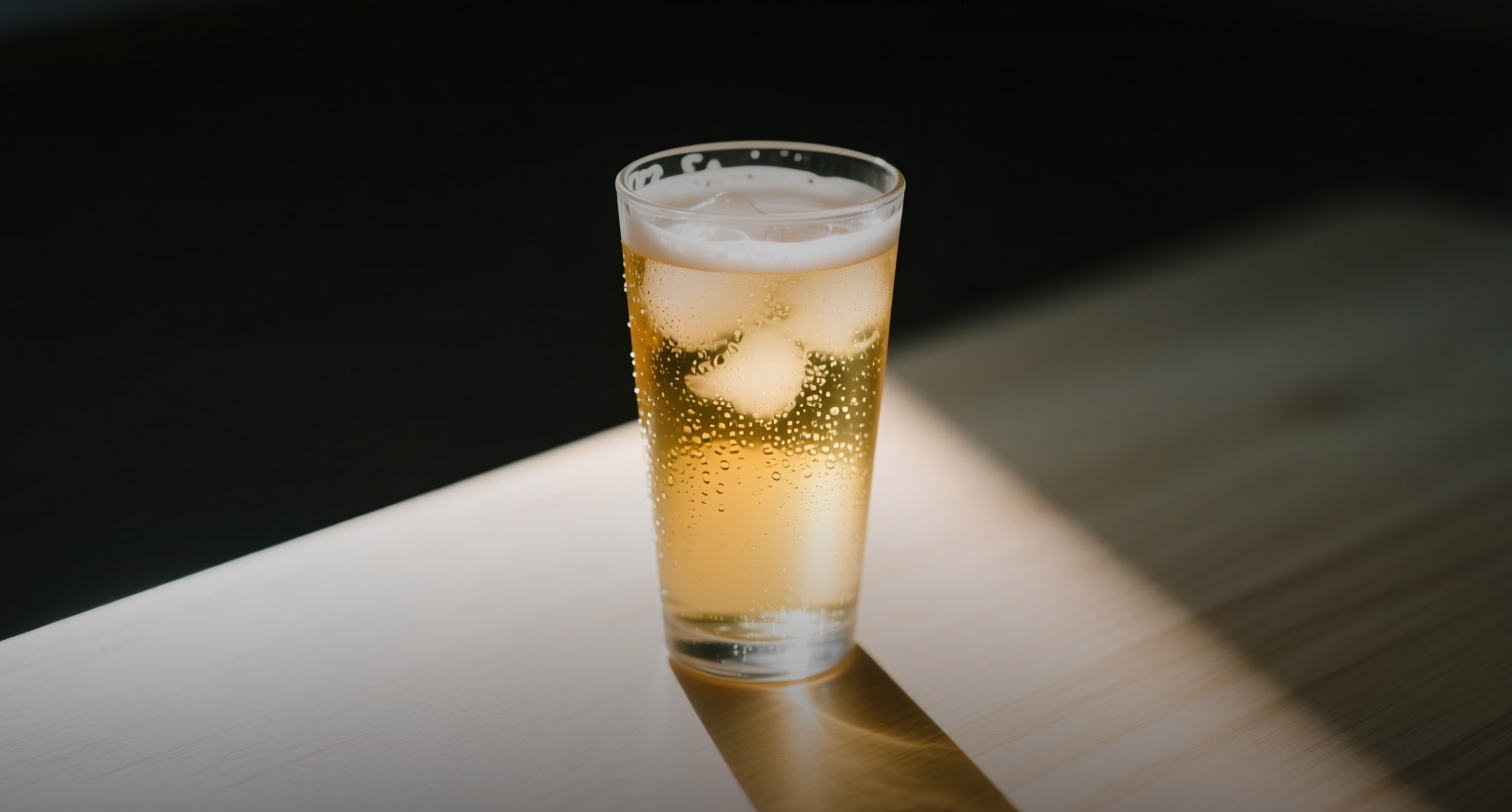
FIFA's three-minute hydration breaks, designed for player safety in the North American summer heat, have become high-speed beer runs for fans at the 2026 World Cup — turning this into the most alcohol-fueled tournament in soccer history.
The pauses, which occur midway through each half at all 16 venues, give supporters a 180-second window to dash to concession stands without missing any action. At Lumen Field in Seattle, the concession area behind the Australian goal sat empty until the referee's whistle at 23 minutes and 56 seconds — then fans streamed in for beverages.
"The hydration breaks are BS. It's a cash-grab...but I can get my beers," one U.S. supporter said during the team's match against Australia. "This is a new experience for me, being able to sneak out in the middle of a half."
The structure has turned the tournament into a stark contrast with European soccer norms. In England, rules designed to curb hooliganism prohibit drinking "in view of the pitch" from 15 minutes before kickoff. At this World Cup, beer vendors roam the stands with coolers, and fans are never more than 22.5 minutes from their next drink.
Scottish supporters, known as the Tartan Army, practically drank Boston dry. One Dallas pub reported selling 5,000 beers to England fans before their match against Croatia. Philadelphia gave bars temporary permission to remain open until 4 a.m. instead of the usual 2 a.m. to accommodate World Cup visitors.
FIFA insists the breaks are a necessary safety measure for players competing in the heat of a North American summer, even though five of the 16 tournament venues are covered or entirely indoors. Critics have derided the stoppages as commercial land grabs that cater to sponsors and break up the flow of play.
"I guess soccer fans are just going to have to learn to live with it," said Rey Fernandez, an Argentina fan from Los Angeles who attended Lionel Messi's match against Austria.
The beer-friendly environment marks a sharp reversal from the 2022 Qatar World Cup, where organizers unceremoniously ripped beer out of stadiums on the eve of the tournament. This year's edition is being played largely in NFL venues accustomed to serving beer, cocktails and hard seltzers to American football crowds.
For some fans, the breaks serve their stated purpose. Berly Nelson, a Fargo, N.D. resident attending his fourth match of the tournament, used the pauses to escape the sun, use the restroom and grab water for his daughter — something he said he would never risk during normal play for fear of missing a goal.
This article is for informational purposes only and does not constitute investment advice.
