
Xiaomi launched its N90 Max plug-in flagship from 269,900 yuan on Sept 7, bundling dual lidar and NVIDIA Thor as standard in a premium push against BYD and Tesla.
Xiaomi launched its N90 Max plug-in flagship from 269,900 yuan on Sept 7, bundling dual lidar and NVIDIA Thor as standard in a premium push against BYD and Tesla.
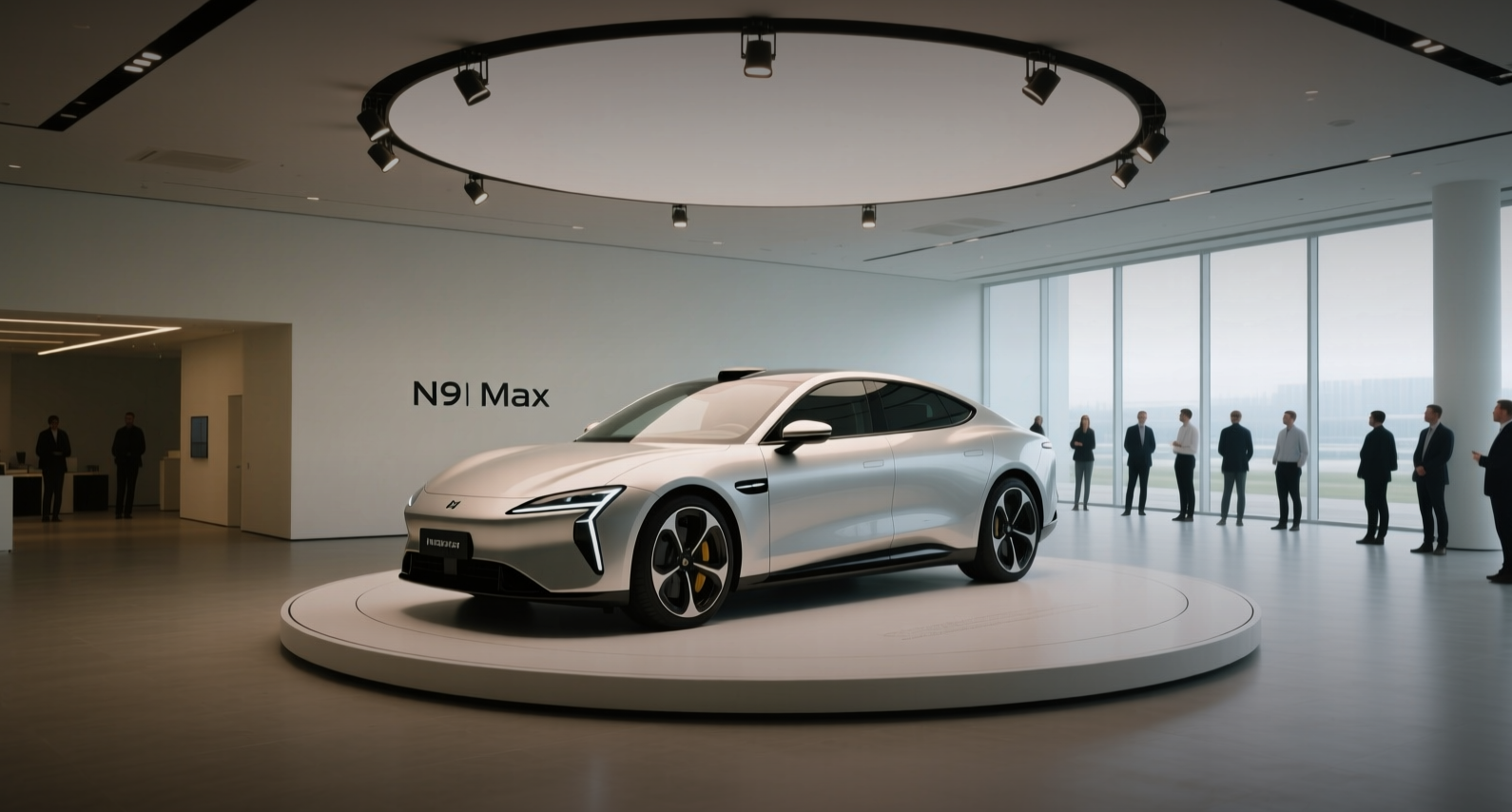
Xiaomi's plug-in flagship N90 Max, priced from 269,900 yuan (about $38,000), entered China's premium EV segment on Sept 7 with a full driver-assistance package as standard, tightening a contest against BYD, Tesla, NIO and Li Auto.
Xiaomi is selling the model as a technology flagship, folding the sensing and computing hardware into the base price rather than charging extra for it, the company said at its launch event.
The N90 Max pairs a front-facing lidar with a rear solid-state lidar and an NVIDIA Thor processor rated at 700 TOPS of computing power. It returns 464 km of pure-electric range on the CLTC cycle and 1,705 km combined, with hybrid fuel consumption of 6.26 liters per 100 km on the WLTC standard.
The launch extends Xiaomi's EV push upmarket after its SU7 sedan and YU7 SUV, putting the phone maker head-to-head with established premium players in a market where repeated price cuts have squeezed margins across the industry.
A rear lidar and a 1,705 km range
The driver-assistance setup stands out for including a rear-facing solid-state lidar, a sensor usually reserved for front obstacle detection. Solid-state units have no moving parts, which lowers cost and improves reliability against the rotating sensors on earlier systems. The 700 TOPS Thor chip — TOPS measures trillions of operations per second — supplies the computing headroom for sensor fusion and for over-the-air software updates after delivery.
The 1,705 km combined figure reflects a large battery paired with a range-extending engine, a layout that has proven popular in China because it removes range anxiety while keeping most daily driving electric-only. The 464 km pure-electric range covers the bulk of urban commutes, so many owners would rarely burn fuel. Xiaomi has not disclosed the battery's capacity or delivery targets for the N90 Max.
Bundling the driver-assistance hardware as standard is a deliberate contrast with rivals that sell such features as paid options or reserve them for top trims. It lets Xiaomi advertise a single, fully equipped price point, simplifying the buying decision in a market where option lists have grown complex. The trade-off is cost: lidar and high-compute chips add to the bill of materials, pressuring margins on a model already priced to compete.
Who the launch pressures
The model targets the upper end of China's plug-in market, where BYD's Denza and Yangwang brands, Li Auto's extended-range SUVs and NIO's battery-swap models compete for buyers spending above 250,000 yuan. Tesla's Shanghai-built Model Y anchors the segment's pricing. Xiaomi's entry adds another well-funded challenger to a field already fighting over a slowing pool of premium buyers.
Plug-in hybrids and extended-range vehicles have been the fastest-growing slice of China's new-energy market, as buyers who worry about charging infrastructure favor models that can fall back on gasoline. That tailwind helps explain why Xiaomi chose a hybrid layout for its flagship rather than a pure battery-electric.
Xiaomi entered cars in 2024 with the SU7 sedan and has since added SUVs, betting its electronics lineup and pricing can carve out share in a sector crowded with dozens of brands. For the Hong Kong-listed company, the N90 Max tests whether that brand pull converts into car sales in a market defined by oversupply and discounting. Its EV deliveries in the coming quarters will show whether the premium push is translating into volume and margin rather than another loss-making entry.
Every new entrant that bundles advanced driver-assistance as standard raises the bar for incumbents, who must match the hardware or cut price to hold share — a dynamic that has already compressed margins across China's EV sector. Whether the N90 Max becomes a margin contributor depends on sustaining its order book against rivals that can respond on price.
This article is for informational purposes only and does not constitute investment advice.
