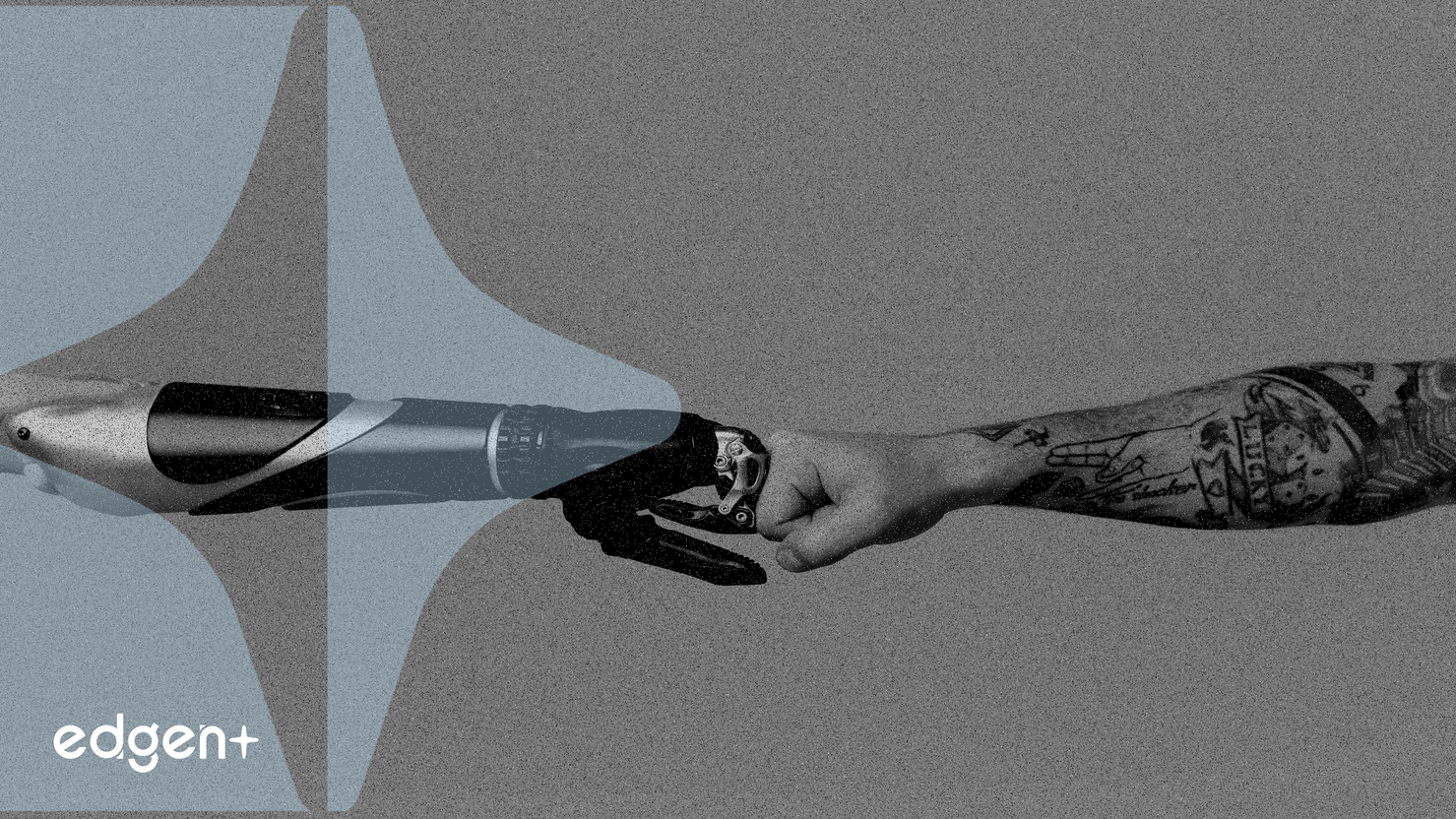
Alibaba Advances on Nvidia Physical AI Collaboration
Alibaba Group Holding Limited (BABA) experienced a notable upward movement in its stock following the announcement of a strategic partnership with Nvidia Corporation (NVDA). Alibaba's stock surged approximately 9% on the Hong Kong exchange, reaching a four-year high on September 24th, with its U.S.-listed American Depository Shares (ADRs) mirroring the rally. This market response signals investor optimism regarding Alibaba's deepening commitment to artificial intelligence (AI) and its potential to re-energize its cloud computing segment.
Nvidia Partnership Detailed at Apsara Conference
The pivotal event driving investor enthusiasm was the announcement at the 2025 Apsara Conference of Nvidia's integration of its entire Physical AI software stack, including tools like Isaac Sim, Isaac Lab, and Cosmos, into Alibaba Cloud's Platform for AI (PAI). This collaboration is designed to create a robust ecosystem for the development of advanced intelligent machines that interact with the physical world, such as humanoid robots and fully autonomous vehicles. The initiative represents a significant step beyond conversational AI, focusing on tangible, physical applications.
This partnership forms part of a broader, substantial investment by Alibaba, which has committed over 380 billion yuan (approximately $53 billion USD) in AI infrastructure over the next three years. Additionally, Alibaba unveiled its new large language models, Qwen3-Max (with over one trillion parameters) and Qwen3-Omni (a multimodal system), alongside plans for expanding its global data center footprint into regions including Brazil, France, Mexico, and Japan, to support the surging demand for AI and cloud services.
Market Reacts to Strategic Shift in Cloud Computing
Investors swiftly validated the strategic importance of the Alibaba-Nvidia alliance. The 9% jump in BABA stock reflects a renewed confidence in Alibaba's long-term vision, which now clearly articulates a strategy combining high-performance compute with extensive global reach and cutting-edge models. This move positions Alibaba Cloud as a dominant force in the rapidly evolving AI landscape, especially within China.
The market's positive reaction is further underpinned by Alibaba Cloud Intelligence Group's robust financial performance. The segment reported a 26% year-over-year revenue increase to RMB 33.4 billion in the June quarter, with Adjusted EBITA also climbing 26% to RMB 2.95 billion. This makes Cloud Alibaba's fastest-growing unit, outpacing other segments and indicating that AI is already driving monetization within the company.
Broader Context: The Rise of Physical AI and China's Robotics Market
The partnership places Alibaba at the forefront of China's burgeoning humanoid robotics market, projected to reach $200 billion by 2030. By integrating Nvidia's Physical AI stack, Alibaba is adopting a "picks-and-shovels" approach, providing the essential infrastructure for training and simulation rather than directly manufacturing robots. This strategy allows Alibaba to benefit regardless of which specific robot manufacturer ultimately succeeds.
China is a critical market for humanoid robotics, with 37 of Morgan Stanley's top 100 humanoid companies located there. Alibaba's established presence and significant 33% market share in China's cloud sector provide a competitive advantage, especially given China's data regulations (PIPL/CAC). These rules reduce approval friction for local companies using Alibaba Cloud for AI training, a benefit global rivals often lack.
Despite a recent bull run for BABA shares, which have seen a 61% year-to-date increase, the company's forward Price-to-Earnings (P/E) ratio of approximately 14.04 (as of August 2025 data), still represents a significant discount compared to global counterparts like AWS and Azure, suggesting potential for valuation convergence if risks subside.
Analyst Commentary and Future Outlook
Following the announcement, financial analysts expressed increased optimism. Citi raised its price target for BABA to $217, Baird to $174, Morningstar to $267, Morgan Stanley to $200, and Jefferies to $230. This positive sentiment was underscored by Cathie Wood's ARK Investment, which purchased 63.2K shares of Alibaba, reinforcing the belief in Alibaba's long-term AI strategy.
Looking ahead, Alibaba aims to evolve into a "full-stack AI service provider" and a global AI powerhouse. However, significant challenges persist. Geopolitical tensions, particularly U.S. semiconductor export restrictions, could limit access to advanced chips, prompting Alibaba to pursue the development of domestically fabricated AI inference chips. Competition remains fierce, with Huawei Cloud, Tencent, and Baidu actively vying for market share. Furthermore, heavy capital expenditures in AI infrastructure have resulted in a negative free cash flow of RMB 18.8 billion. Investors will closely monitor Alibaba's progress in domestic semiconductor collaboration and its strategic expansion into Southeast Asian markets, which are crucial for realizing its full potential amidst a complex global technology landscape. The strategic clarity offered by the Nvidia partnership provides a foundation, but navigating these risks will be key to sustained growth.
 Edgen Stock·Sep 30 2025, 22:16