 Edgen Stock·Sep 10 2025, 15:16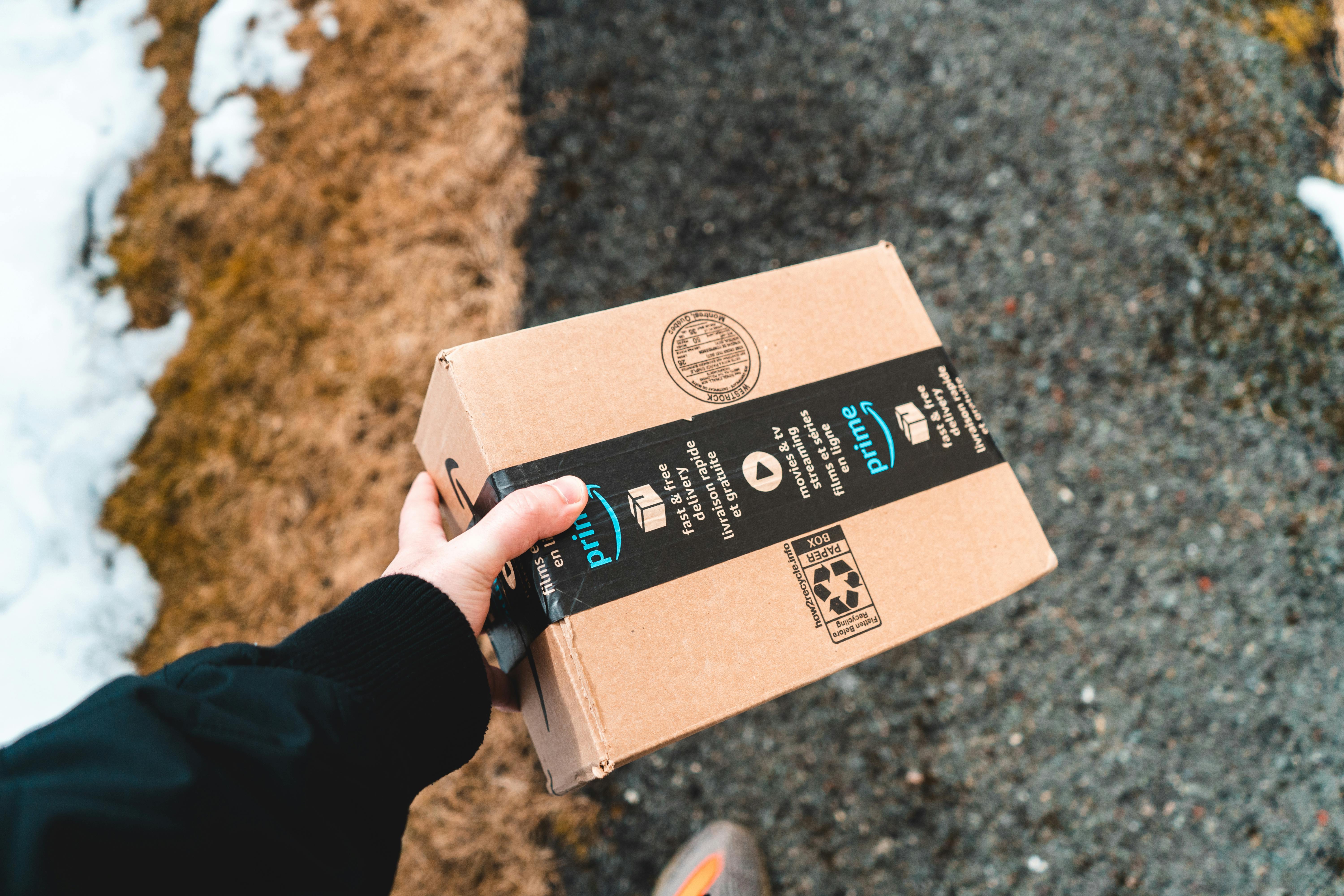
Amazon is set to terminate its long-standing Prime Invitee program on October 1, 2025, a strategic move aimed at converting millions of shared account users into full paying Prime members. This policy shift is expected to bolster Amazon's subscription revenue and address rising operational costs.
Amazon Revises Prime Membership Sharing Policies to Drive Subscriber Growth and Revenue
Amazon.com Inc. (AMZN) is poised to implement a significant change to its Prime membership structure, discontinuing the Prime Invitee program on October 1, 2025. This strategic adjustment will terminate free shipping benefits for millions of users who currently access Prime perks through shared accounts, signaling a pivot toward optimizing subscriber growth and enhancing profitability within its vast Prime ecosystem.
The Event in Detail
The Prime Invitee program, which allowed a primary Prime member to share free shipping benefits with one additional adult outside their household, will cease to exist. In its place, Amazon is transitioning to an Amazon Family model, which restricts the sharing of Prime benefits, including free shipping, Prime Video, and Prime Music, to members residing at the same primary address. This new framework permits sharing with one additional adult and up to four children or teenagers within that single household, requiring household verification.
To facilitate a smoother transition for affected invitees, Amazon is offering a discounted one-year Prime membership at $14.99. This special offer, representing a substantial reduction from the standard annual fee, is available until December 31, 2025, providing a temporary incentive for former beneficiaries to convert to paid subscriptions.
Analysis of Market Reaction and Strategic Rationale
Amazon's decision is rooted in a clear financial calculus designed to address decelerating Prime sign-up growth and escalating operational expenditures. Data indicates that U.S. Prime sign-ups during the 2025 Prime Day event fell 2% short of internal targets, underscoring a need for new growth strategies. Concurrently, the company has faced rising shipping costs, which reached $95.8 billion in 2024, significantly outpacing the $44.3 billion generated from Prime subscription revenue in the same year.
By ending the Prime Invitee program, Amazon aims to convert non-paying, shared users into full subscribers. Analysts estimate that successfully converting these invitees could inject an additional $1 billion to $2 billion in annual revenue, directly contributing to offsetting the escalating shipping expenses and boosting Amazon's subscription-based earnings.
This move also aligns with a broader industry trend observed across major streaming and subscription services. Companies like Netflix (NFLX) and Disney+ have recently implemented similar policies to curb account sharing, leading to increased subscriber numbers and revenue. Netflix, for instance, reported a significant boost in subscriber growth following its crackdown on password sharing in 2023.
Broader Context and Implications
The policy revision reflects Amazon's commitment to sustainable growth in an environment of rising operational costs and intense competitive pressures. The Prime membership remains a cornerstone of Amazon's business model, renowned for its high retention rates—93% after one year and 98% after two—driven by personalized recommendations, rapid shipping, and deep ecosystem integration.
In its second quarter ended June 30, 2025, Amazon reported robust financial performance, with net sales increasing 13% to $167.7 billion. Operating income rose to $19.2 billion, and net income reached $18.2 billion, or $1.68 per diluted share. This strong underlying financial health provides the company with the flexibility to implement strategic changes designed to further optimize its most valuable customer segment.
"This strategic shift signals Amazon's commitment to sustainable growth in an era of rising operational costs and competitive pressures, aiming to optimize revenue from its vast Prime ecosystem."
Looking Ahead
The effectiveness of Amazon's new policy will be closely watched in the coming quarters. The company is banking on the value proposition of Prime—even at a full price—to convert a significant portion of affected invitees. Success in this endeavor could not only boost Amazon's subscription revenue but also enhance its Average Revenue Per User (ARPU) and reinforce the long-term profitability of the Prime membership program. Investors will be monitoring subscription growth metrics and any shifts in customer sentiment as the October 1, 2025, deadline approaches and the new policies take full effect.