 Edgen Stock·Sep 08 2025, 08:12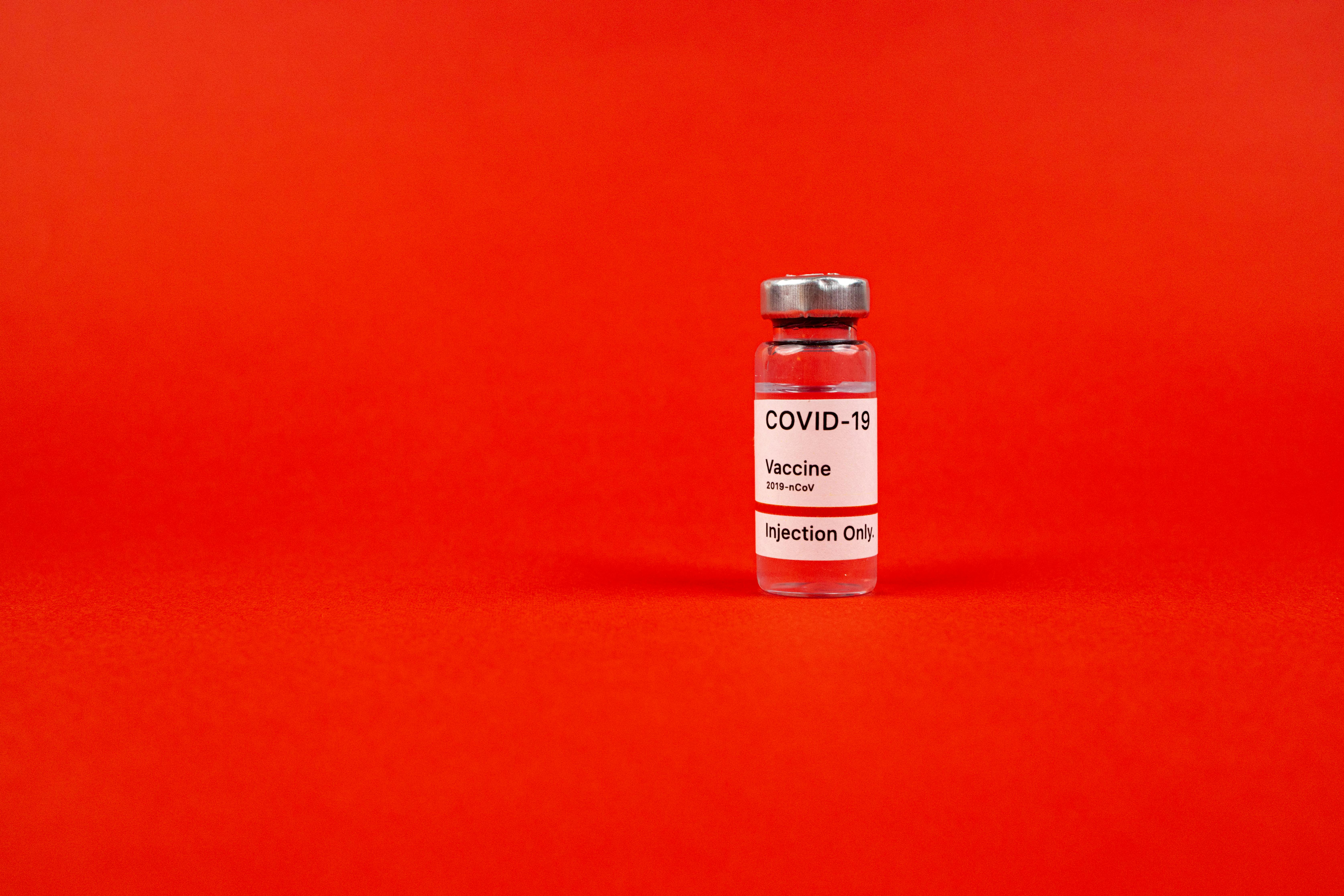
Gilead Sciences has announced a significant collaboration with the U.S. State Department and PEPFAR, alongside existing efforts with the Global Fund, to broaden access to its long-acting injectable HIV-1 capsid inhibitor, lenacapavir. The initiative aims to provide the pre-exposure prophylaxis (PrEP) medication to up to two million individuals in targeted, high-incidence regions by 2028, initially at no profit.
A Landmark Partnership for Global Health
Gilead Sciences (Nasdaq: GILD) has announced a strategic partnership with the U.S. State Department and the President’s Emergency Plan for AIDS Relief (PEPFAR), building on its prior agreement with the Global Fund to Fight AIDS, Tuberculosis and Malaria. This collaboration focuses on expanding global access to lenacapavir, Gilead’s twice-yearly injectable HIV-1 capsid inhibitor, for pre-exposure prophylaxis (PrEP). The ambitious initiative aims to deliver the medication to as many as two million individuals in low- and lower-middle-income countries by 2028.
Lenacapavir's Role and Distribution Strategy
Lenacapavir is a long-acting PrEP option distinguished by its twice-yearly injection schedule, offering a significant advantage over daily oral therapies in terms of adherence and effectiveness. Under the terms of the new partnership, Gilead will supply lenacapavir at no profit to support the U.S. government’s life-saving programs until generic manufacturers can fully meet demand in these regions. To further ensure widespread availability and affordability, Gilead has also secured royalty-free agreements with six generic manufacturers, covering 120 high-incidence, resource-limited countries. These agreements are designed to facilitate regulatory approvals and stimulate competition, ultimately driving down costs.
Daniel O'Day, Chairman and Chief Executive Officer of Gilead Sciences, emphasized the significance of the medication:
“Lenacapavir is one of the most important scientific breakthroughs of our time and the result of nearly two decades of work by Gilead scientists. We are providing the medicine at no profit in this partnership so we can support the U.S. government in delivering life-saving programs where the need is most urgent.”
Peter Sands, Executive Director of the Global Fund, underscored the transformative potential:
“This is not just a scientific breakthrough — it's a game-changer for HIV/AIDS. For the first time, we have a tool that can fundamentally change the trajectory of the HIV epidemic — but only if we get it to the people who need it most.”
Market Implications: Balancing Public Health and Commercial Interests
The immediate financial impact on Gilead’s stock (GILD) from this specific "no profit" arrangement may be limited or neutral in the short term. However, the partnership is widely viewed as a strategic long-term play that solidifies Gilead’s leadership in HIV prevention and expands its presence in critical global health markets. This move is expected to significantly enhance the company’s corporate social responsibility profile, potentially attracting ESG-focused investors and opening doors for future revenue streams through tiered pricing models in other developing markets not covered by the "no profit" agreements. The company’s commitment to at-risk manufacturing capacity for lenacapavir further signals an investment in establishing future market leadership for this breakthrough product.
Broader HIV Franchise Performance and Future Outlook
Gilead’s HIV segment remains a cornerstone of its financial performance. In the second quarter of 2025, total HIV product sales reached $5.1 billion, marking a 7% year-over-year increase. Biktarvy, a key HIV treatment, contributed significantly with sales rising 9% to $3.5 billion, commanding 51% of the U.S. treatment market share. Meanwhile, Descovy, another PrEP offering, saw its sales surge 35% year-over-year to $653 million in Q2 2025, maintaining over 40% of the U.S. PrEP market.
Looking ahead, analysts project global sales for lenacapavir could exceed $3 billion annually by 2030, driven by its adoption in both prevention and treatment markets. In the U.S. alone, the drug is projected to generate $1.5–$2 billion annually by 2030, despite its high annual price tag of $28,000. Gilead is actively pursuing regulatory submissions for lenacapavir for PrEP in 18 countries by the end of 2025, representing approximately 70% of the HIV burden in the regions covered by voluntary licenses. This includes leveraging a positive EU-Medicines for all opinion adopted by the European Medicines Agency in July 2025, and a World Health Organization (WHO) prequalification submission in August 2025.
Navigating the Landscape of Access and Competition
While Gilead’s strategy aims for broad market penetration, it faces a complex landscape. The high U.S. price of lenacapavir could attract regulatory scrutiny, particularly as generic alternatives become available. Competition in the long-acting PrEP market is also intensifying, notably from ViiV Healthcare’s Apretude (monthly injectable PrEP). Furthermore, critics note that Gilead’s current voluntary licensing excludes certain high-incidence regions, such as parts of Eastern Europe and Latin America, where compulsory licensing might be considered to force lower prices.
Despite these challenges, Gilead’s multi-pronged approach, which includes tiered pricing and public-private partnerships in middle-income countries not covered by the "no profit" model, demonstrates a commitment to balancing commercial interests with critical global public health objectives. The company also offers robust access programs in the U.S. for its PrEP products, including co-pay assistance and free medication for eligible individuals, to mitigate out-of-pocket costs and ensure broader patient access.