 Edgen Stock·Sep 13 2025, 08:36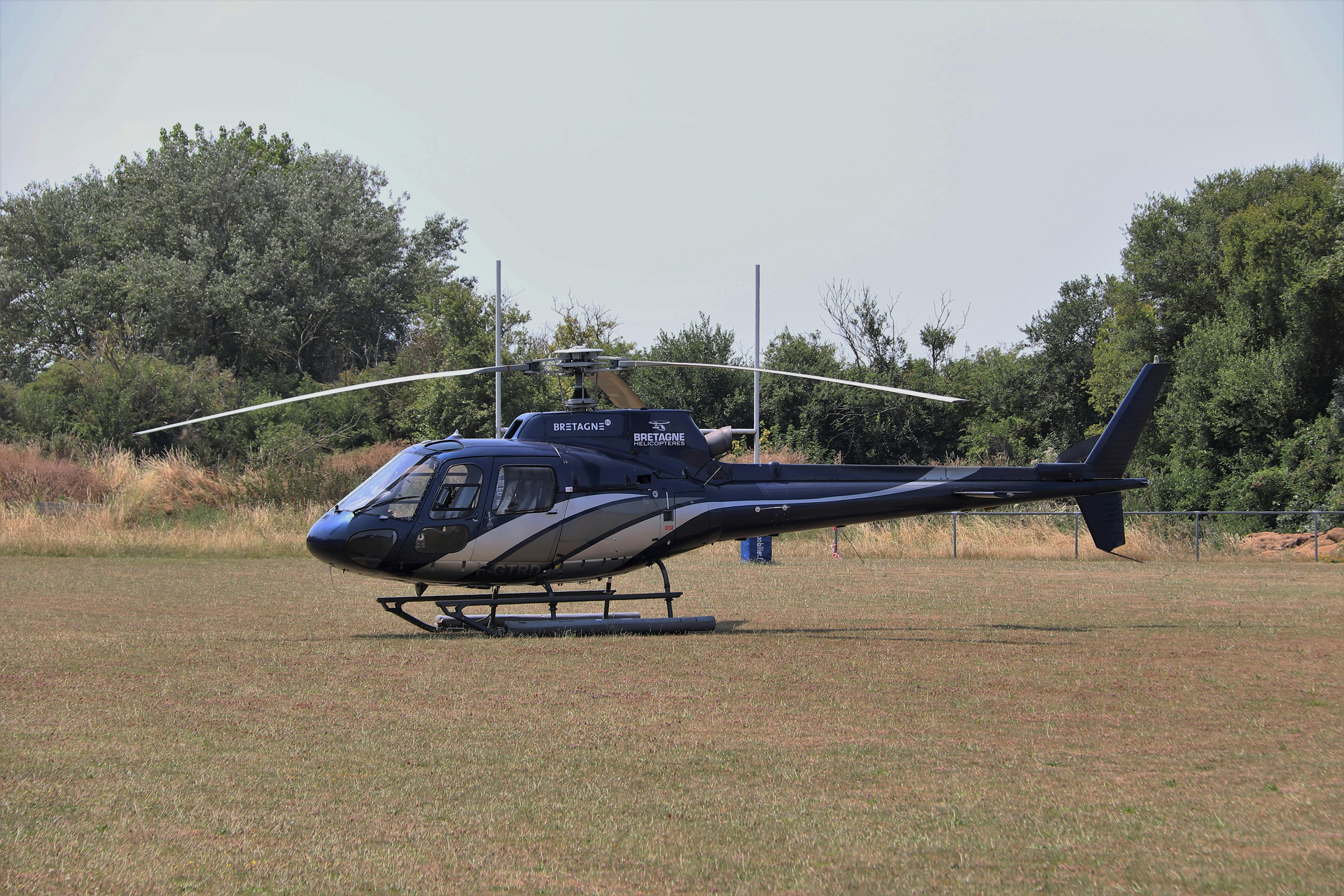
Joby Aviation announced plans to integrate Blade Air Mobility's helicopter and seaplane services into the Uber application by 2026, a strategic move following its acquisition of Blade's passenger business. This development led to a premarket rise of over 8.5% in Joby's shares, signaling investor optimism regarding the company's accelerated commercial roadmap and its role in the evolving urban air mobility sector.
Technology Sector Gains as Joby Aviation Expands Urban Air Mobility Footprint with Uber Partnership
Market Overview
Joby Aviation (NYSE: JOBY) shares advanced in early trading following the company's announcement of an expanded partnership with Uber Technologies Inc. (NYSE: UBER), which includes the integration of Blade Air Mobility's (NASDAQ: BLDE) passenger services into the Uber app. The news, which detailed plans to bring Blade's helicopter and seaplane services to Uber's platform as soon as 2026, spurred an initial rise of over 8.5% in Joby's premarket trade. This strategic alignment is poised to significantly enhance Joby's brand visibility and market reach, accelerating the adoption of urban air mobility (UAM) services.
Strategic Partnership Details
The cornerstone of this collaboration is Joby's recent acquisition of Blade Air Mobility's passenger business for up to $125 million, completed in August 2025. This acquisition grants Joby control over Blade's established infrastructure, including a network of landing points and dedicated passenger lounges across the New York metropolitan area and Southern Europe. By leveraging Blade's decade of experience in vertical air travel, Joby aims to streamline the launch of its electric air taxi services in key global markets, including Dubai, New York, Los Angeles, the United Kingdom, and Japan.
The integration will allow Uber users to book Blade flights directly through the Uber app, facilitating rapid and seamless journeys in densely populated urban centers. Blade reported flying over 50,000 passengers in 2024 through its existing network.
Joby and Uber have a history of collaboration, dating back to 2019, with Joby having acquired Uber's Elevate division in 2021, which was instrumental in developing the foundational tools for the UAM sector.
JoeBen Bevirt, founder and CEO of Joby, commented on the integration:
"We're excited to introduce Uber customers to the magic of seamless urban air travel. Integrating Blade into the Uber app is the natural next step in our global partnership with Uber and will lay the foundation for the introduction of our quiet, zero-emissions aircraft in the years ahead."
Andrew Macdonald, President and COO of Uber, also highlighted the long-term vision:
"Since Uber's earliest days, we've believed in the power of advanced air mobility to deliver safe, quiet, and sustainable transportation to cities around the world. By harnessing the scale of the Uber platform and partnering with Joby, the industry leader in advanced air mobility, we're excited to bring our customers the next generation of travel."
Market Reaction and Sector Implications
The market's positive response to the announcement underscores the perceived value of an established distribution channel and brand credibility for Joby, a company pioneering a nascent transportation mode. While Uber's stock experienced a slight dip, investor sentiment was notably bullish for Joby, which has seen its stock rise approximately 170% from its year-to-date low, including today's gains.
This partnership signifies operational readiness for Joby and helps to visualize real-world use cases for electric vertical takeoff and landing (eVTOL) aircraft, potentially easing regulatory hurdles and accelerating consumer adoption. The broader Air Taxi Sector and Urban Air Mobility market continue to attract significant investment, with firms racing to secure regulatory approvals and commercialize eVTOL aircraft to address the increasing demand for faster and more sustainable urban transportation solutions. The global UAM market is projected to grow substantially, with estimates reaching $69.83 billion by 2040 at a compound annual growth rate (CAGR) of 19.22%.
Regulatory Landscape and Future Outlook
The development of the eVTOL sector has garnered political attention, with U.S. President Donald Trump having urged regulators in June to expedite the certification process. This directive led to the establishment of the eVTOL Integration Pilot Program (eIPP), which provides a framework for supervised, pre-certification trial operations of eVTOL aircraft in the United States.
Joby Aviation announced its participation in the eIPP, a move that contributed to a 7% surge in its stock, as the program is seen as a critical step toward scaled commercial service and a potential early revenue boost. Despite this, Joby faces rigorous regulatory hurdles. The company is currently in the fourth of five stages for FAA Type Certification, with targets for piloted commercial flights in 2026. However, recent filings indicate that the FAA has requested additional safety documentation, which could potentially postpone commercial deployment by several quarters.
Joby's electric air taxi is designed to carry four passengers and a pilot at speeds up to 200 mph, with an acoustic impact significantly lower than traditional helicopters. The company expects to fly its first of five FAA-conforming aircraft in 2025, with flight testing involving FAA pilots slated for early 2026. Beyond FAA certification, Joby is also targeting a commercial launch in Dubai in late 2025 or early 2026, indicating a multi-pronged approach to market entry.
Financial Perspectives and Valuation Concerns
From a financial standpoint, Joby Aviation remains a high-risk investment, operating without revenue and carrying a market capitalization of approximately $12 billion. The company reported a $0.41 per share loss in Q2 2025, a significant miss compared to analyst estimates, leading to a $324.7 million net loss and subsequent analyst downgrades. The company's price-to-sales (P/S) ratio is exceptionally high, exceeding 9,999x, reflecting inflated market expectations for future growth. Despite these concerns, Joby maintains a strong liquidity position, with approximately $991 million in cash and short-term investments as of Q2 2025, though it anticipates a projected cash burn of $500–$540 million for the entirety of 2025.
Analyst consensus currently rates JOBY stock as a "hold" with a mean target of approximately $13, suggesting a potential downside of around 7% from current levels. However, for investors with a higher risk tolerance, the expanded partnership with Uber is viewed as a tangible step toward commercializing urban air mobility, offering a long-term investment thesis centered on Joby's potential to lead a future urban mobility market. The company's strategy involves not just selling aircraft but also building infrastructure, regulatory pathways, and shaping consumer behavior, aiming for a projected revenue growth of 40x between 2026 and 2030.