Amazon faces a nationwide class action alleging its warehouse time-off and productivity tracking systems penalized pregnant workers who took medically necessary breaks, according to a complaint filed Sept. 8 by four former employees.
"The lawsuit sits inside a larger pattern of policy and rhetoric aimed at narrowing women's roles and pushing them out of the workforce," Inimai Chettiar, president of A Better Balance, the nonprofit that filed the complaint, said.
The plaintiffs — Willamina Barclay, 38, Jennifer Hatch, 47, and Kristina Green, 31, among them — allege Amazon deducted their unpaid time-off banks or flagged them for "time off-task" when they took breaks for pregnancy-related conditions, doctor visits, or to pump breast milk. Nearly 200 Amazon workers have called A Better Balance's legal helpline so far in 2026 with similar stories, Chettiar said.
The case arrives as the Equal Employment Opportunity Commission plans to propose revisions to Pregnant Workers Fairness Act regulations in November, a rulemaking that could reshape how employers across the warehouse and logistics sector handle pregnancy accommodations.
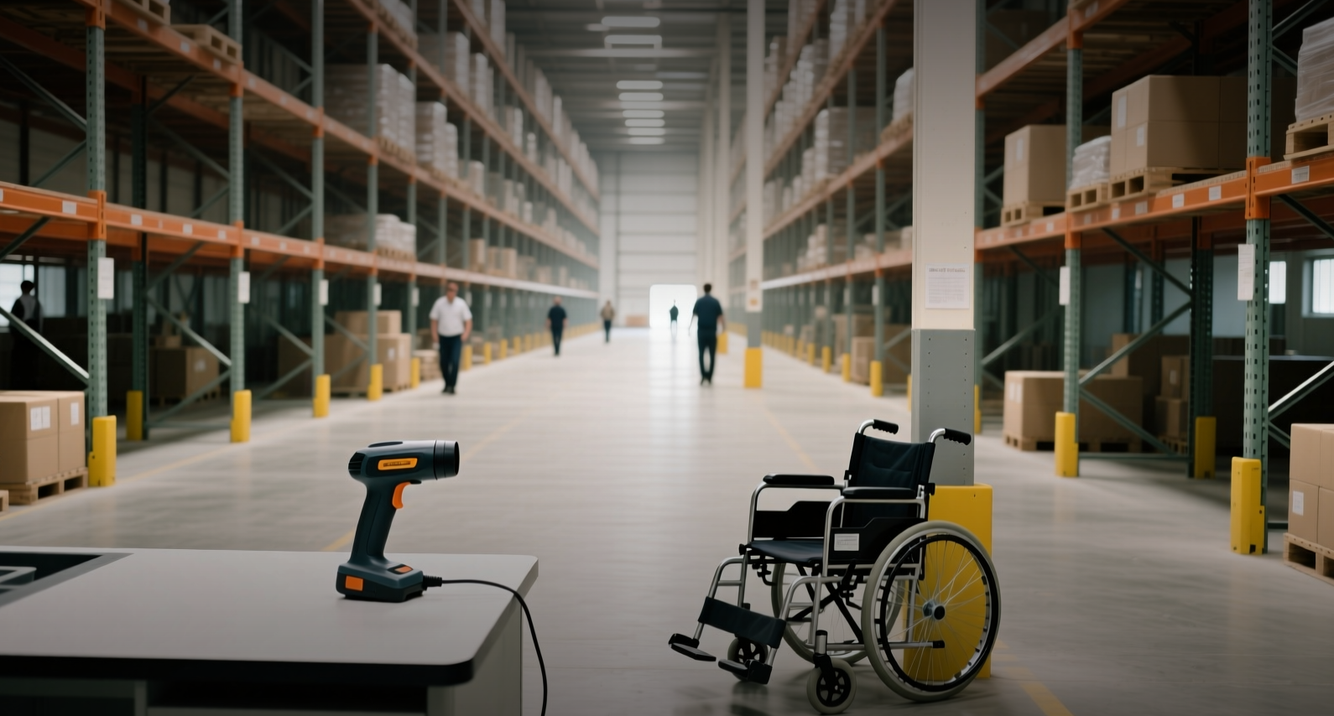
Barclay, a single mother, said she was wheeled out of Amazon's Rochester, New York, warehouse in a wheelchair during a June 2025 shift after doubling over in severe abdominal pain while lifting heavy objects. The next day, Amazon sent her a "Termination Warning Email" for taking too much unpaid time off, according to the complaint. She was fired four days after calling out with a same-day doctor's note for a pregnancy-related condition. Hatch, who worked at Amazon's Lancaster, New York, warehouse, arrived for a shift in March 2025 to find her badge no longer worked; security told her the breaks she took at work had drained her unpaid time-off bank and triggered her termination. Green, hired at six months pregnant in September 2025, said she was written up several times for taking too long to pump breast milk before being fired in May, with the lactation room nearly a 10-minute walk from her workstation.
The complaint alleges Amazon demanded medical paperwork for every pregnancy-related accommodation "no matter how basic" and forced pregnant employees to continue working without modifications "at great risk to their health." Amazon's handling of accommodations has been the subject of multiple EEOC complaints and state investigations in New York and New Jersey, according to the complaint.
The allegations extend beyond Amazon. A June survey of nearly 4,000 mothers by the National Partnership for Women and Families found that nearly half of respondents employed while pregnant needed temporary workplace changes for a healthy pregnancy. Of those, 35 percent said their employer only partially adjusted their job conditions, and 9 percent said their employer made no adjustments at all. Pregnant workers of color and those in the lowest income brackets were less likely to receive accommodations than White respondents and those earning $100,000 or more.
Amazon's warehouse operations rely on continuous productivity tracking through handheld scanners, badge swipes, and workstation software — the same class of surveillance technology that a 2023 class action by three Colorado delivery drivers challenged for making it difficult to take necessary breaks. The global market for employee-monitoring technology is expected to exceed $4 billion in 2026, according to industry estimates.
The outcome of the Amazon case could set a precedent for how the PWFA applies to productivity-based workplace metrics across the logistics sector. If the court certifies the class or the EEOC's November rulemaking tightens accommodation requirements, Amazon and peers such as United Parcel Service could face higher compliance costs and operational changes to their time-off and tracking systems.
Chettiar said the case is meant to draw attention to pregnancy accommodations, which are often overlooked in the broader conversation about support for working parents. "People with privilege are already getting accommodations and paid leave," she said. "They don't understand how critical that is for low-wage workers."
This article is for informational purposes only and does not constitute investment advice.