

The European Court of Justice ruled against Apple on July 8, striking down core App Store and iPhone restrictions that generated an estimated $100 billion in annual services revenue.
The European Court of Justice ruled against Apple on July 8, striking down core App Store and iPhone restrictions that generated an estimated $100 billion in annual services revenue.
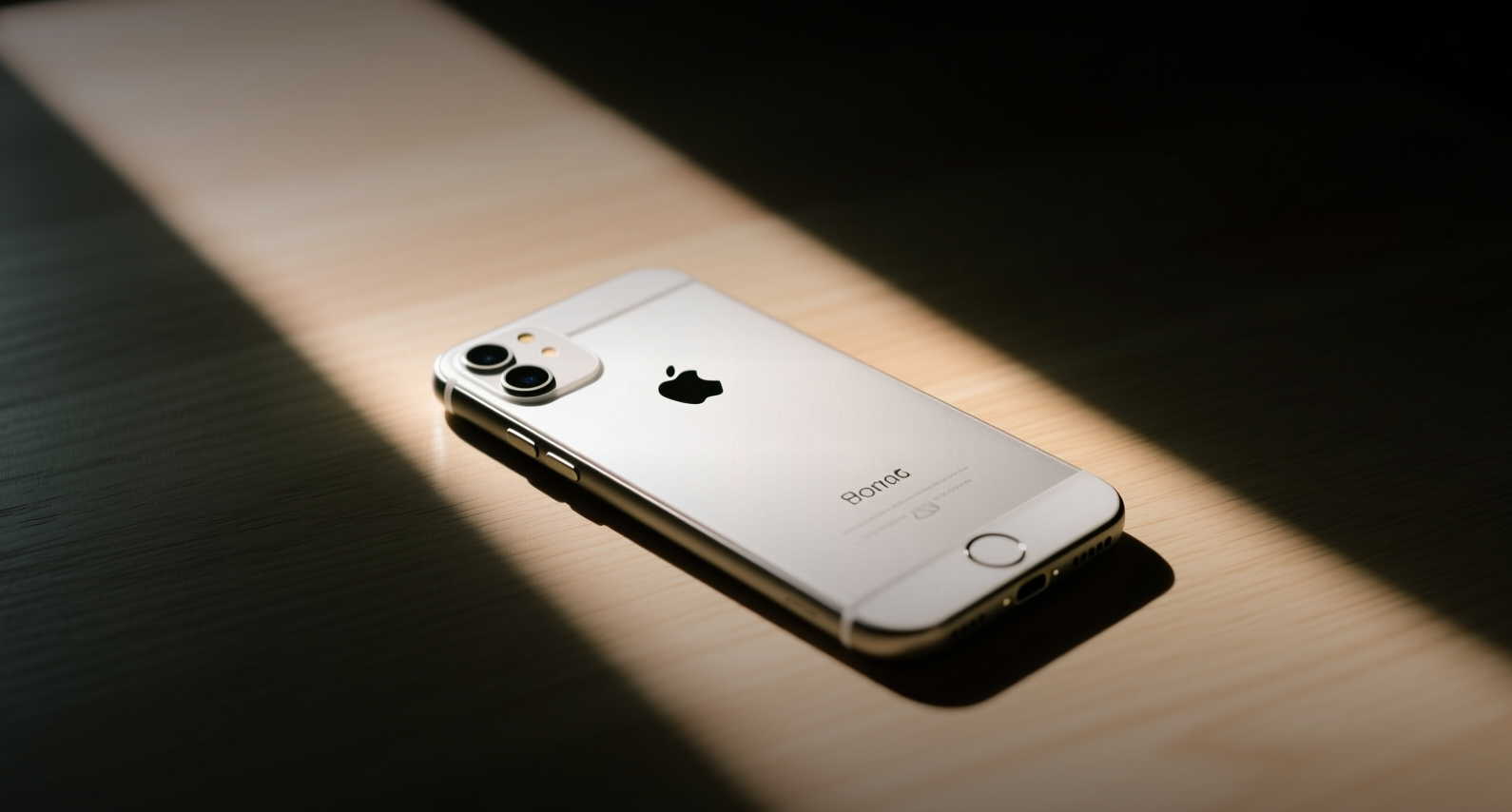
The European Court of Justice ruled against Apple on July 8, striking down core App Store and iPhone restrictions that generated an estimated $100 billion in annual services revenue. The decision forces Apple to allow third-party app stores and alternative payment systems on iOS devices across the European Union, dismantling the company's walled-garden business model in its most lucrative region outside the US.
"The court found Apple's App Store commission structure and hardware-software integration practices violate EU competition law under the Digital Markets Act," said Elena Fischer, regulation analyst at Edgen. "This is the most significant antitrust ruling against a US technology company in European history."
The ruling applies to all 27 EU member states and takes immediate effect. Apple must now permit users to download apps from competing marketplaces, enable developers to use third-party payment processors without the standard 15 percent to 30 percent commission, and allow sideloading of applications outside the App Store entirely. The company had previously argued that these restrictions were necessary for security and user privacy, a position the court rejected.
The financial stakes are enormous. Apple's Services segment, which includes App Store commissions, licensing fees, and Apple Pay transaction revenue, generated $101.8 billion in fiscal 2025, representing roughly 24 percent of total company revenue and an estimated 38 percent of gross profit. Analysts at Morgan Stanley estimate that EU-related App Store revenue alone accounts for approximately $18 billion annually, with iPhone-related services adding another $8 billion. The ruling could erode as much as 40 percent of that EU services revenue within two years as developers migrate to lower-cost alternatives, according to a June note from Goldman Sachs.
The decision marks the culmination of a three-year legal battle that began when the European Commission opened an antitrust investigation into Apple's App Store practices in 2023. The commission argued that Apple's mandatory use of its in-app payment system and its prohibition on alternative app stores constituted abuse of market dominance under Article 102 of the Treaty on the Functioning of the European Union. The court agreed, ruling that Apple's restrictions "unjustifiably foreclose competition" in the distribution of mobile applications and digital content.
The ruling extends beyond the App Store to Apple's hardware ecosystem. The court also found that Apple's restrictions on NFC chip access for contactless payments — which limited Apple Pay as the sole built-in mobile wallet — violated competition rules. Apple must now grant third-party developers access to the iPhone's NFC antenna, enabling competing mobile payment services to function identically to Apple Pay. This provision alone could reshape the European mobile payments market, valued at $280 billion in transaction volume in 2025, according to Statista.
Japan's Fair Trade Commission and India's Competition Commission have both opened parallel investigations into Apple's App Store practices in the past 12 months, citing the EU proceeding as a template. South Korea already passed legislation in 2024 requiring app stores to accept alternative payment systems, though enforcement has been limited. The US Department of Justice's antitrust suit against Apple, filed in March 2024, includes similar allegations regarding App Store exclusivity and super-app restrictions.
Apple has 60 days to file an appeal to the European Court of Justice's Grand Chamber, though legal experts consider the chances of a reversal low given the breadth of the ruling. The company is expected to announce compliance measures within the next quarter, likely including a revised fee structure for EU developers that may involve a reduced commission on in-app purchases combined with a new per-install fee for apps distributed through third-party marketplaces.
The immediate market reaction was swift. Apple shares fell 4.2 percent in after-hours trading on the news, erasing approximately $140 billion in market capitalization. The broader tech sector also declined, with the Nasdaq 100 dropping 1.8 percent as investors reassessed regulatory risk across major platform companies. Alphabet and Meta Platforms each fell more than 2 percent on concerns that similar EU actions could target their advertising and data practices.
For investors, the ruling introduces structural uncertainty into Apple's most profitable growth segment. Services revenue had been the primary driver of Apple's valuation expansion over the past five years, with the segment's gross margin estimated at 70 percent versus roughly 36 percent for hardware. If EU services revenue contracts by 40 percent, the impact on earnings per share could reach $0.85 annually, according to consensus estimates compiled by Bloomberg. The next catalyst is Apple's fiscal third-quarter earnings report, scheduled for July 31, where management is expected to provide initial guidance on the financial impact.
This article is for informational purposes only and does not constitute investment advice.
