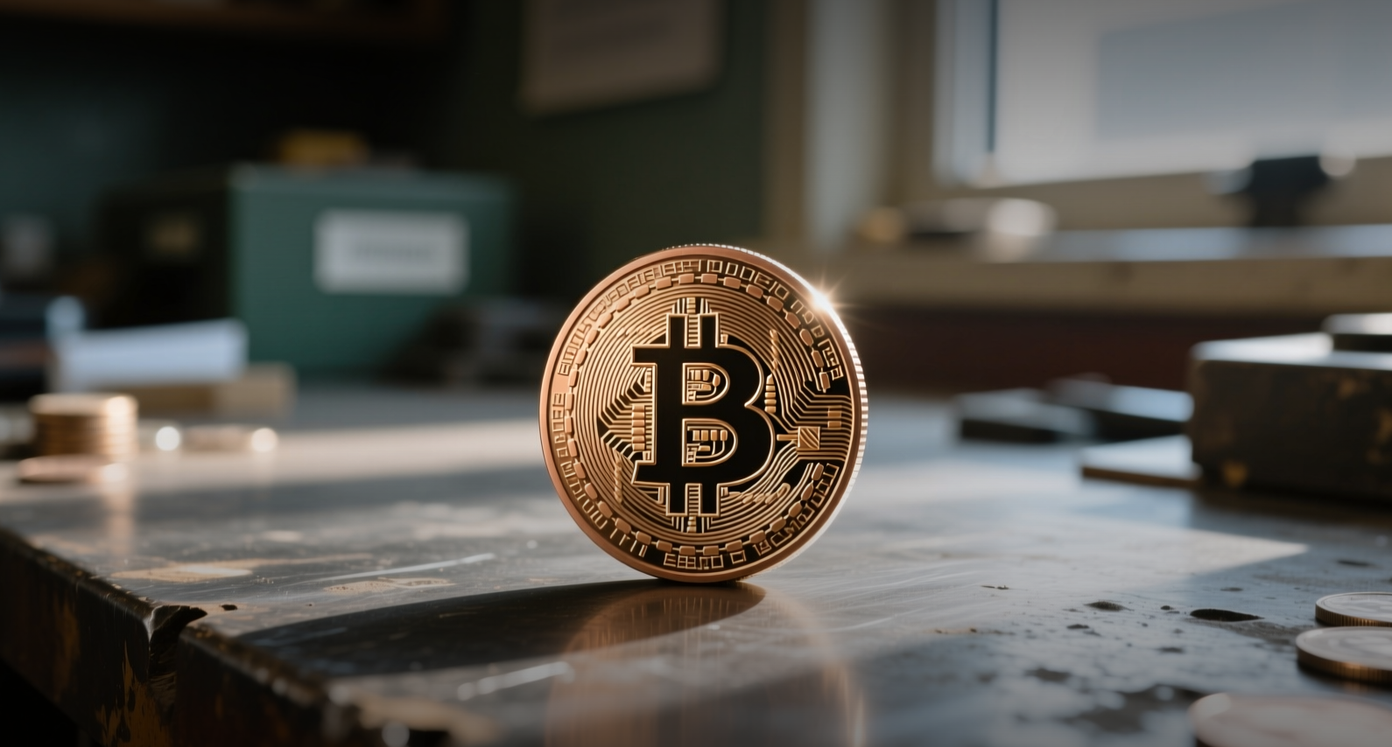
A 10-year Treasury yield at its highest since November 2023 knocked the largest cryptocurrencies lower on Sept. 9, with Bitcoin down 1.4% to $111,842 by 21:20 UTC and no large-wallet bid to catch the fall.
"Whales are staying on the sidelines," said Marcus Thielen, head of derivatives research at CryptoQuant, who flagged the absence of large-wallet accumulation in exchange flow data. "There is no bid underneath this move — the wallets that normally buy these dips are waiting for the CPI print and the Fed before they commit capital."
Ether fell 2.1% to $4,318.60, XRP dropped 2.8% to $0.5842 and Dogecoin lost 3.4% to $0.2318, according to CoinGecko data. Bitcoin's 24-hour volume came in at $48.2 billion, below its seven-day average, and the token's market cap stood at $2.21 trillion with dominance at 57.4%.
The move leaves Bitcoin testing support at $110,000, a level it has held since late August, with resistance at $116,500. A close below $110,000 opens the July consolidation range near $104,000. Derivatives positioning shows the same caution: open interest across major venues sits at $38.6 billion, down 4.2% in 24 hours, while the funding rate on Binance perpetuals held at +0.008%, barely positive and well below the +0.03% average of the past month, per Coinglass.
Whale wallets add nothing as ETF demand cools
The whale signal matters because it removes the marginal buyer that has absorbed every drawdown since the halving. Addresses holding more than 1,000 BTC have added a net 4,100 coins over the past 30 days, against a 30-day average of 61,000 coins during the February-to-April accumulation phase, according to Glassnode. Spot Bitcoin ETFs in the U.S. mirrored that slowdown, recording a net $184 million outflow on Sept. 8, their third consecutive negative session, per Bloomberg data.
The macro trigger is straightforward. Traders now price a 68.2% chance of a Federal Reserve rate hike at the Sept. 15-16 meeting, up from roughly 40% a month ago, after August payrolls came in at 162,000 — nearly three times consensus — and Fed Chair Kevin Warsh used his Jackson Hole speech on Aug. 28 to say this summer's inflation readings do not show underlying trends have improved. Higher yields raise the opportunity cost of holding a non-yielding asset, and Bitcoin has traded in the same direction as the Nasdaq in 14 of the past 15 sessions.
Geopolitics has added to the pressure. Renewed U.S. strikes on Iranian targets and disruptions to oil shipments through the Strait of Hormuz pushed Brent crude above $100 a barrel, reviving inflation concerns that feed directly into rate expectations. Gold, the traditional hedge, rallied past a three-month high on the same day Bitcoin fell — a divergence that undercuts the argument that crypto functions as a haven during geopolitical stress.
What the CPI print decides
The next 48 hours carry the entire setup. August CPI is due Sept. 10, with core inflation expected to hold near 3.3%, followed by the Fed's decision on Sept. 16. A soft print would lower the odds of a hike and give sidelined whale capital a reason to re-enter; a hot one would push the 10-year yield higher and put the $110,000 support under direct test.
The asymmetry favors patience for now. Bitcoin's realized volatility over 30 days sits at 41%, below its 2026 average of 52%, which means the market is not yet pricing a violent move in either direction — a compression that historically resolves within two weeks of a major macro catalyst. For traders holding through the print, the whale wallets that have gone quiet are the single best indicator of whether the dip gets bought or extends.
This article is for informational purposes only and does not constitute investment advice.