
Chevron will invest more than $7 billion over five years to more than double its Venezuela oil production, acquiring new acreage as US-Venezuela energy relations improve.
Chevron will invest more than $7 billion over five years to more than double its Venezuela oil production, acquiring new acreage as US-Venezuela energy relations improve.
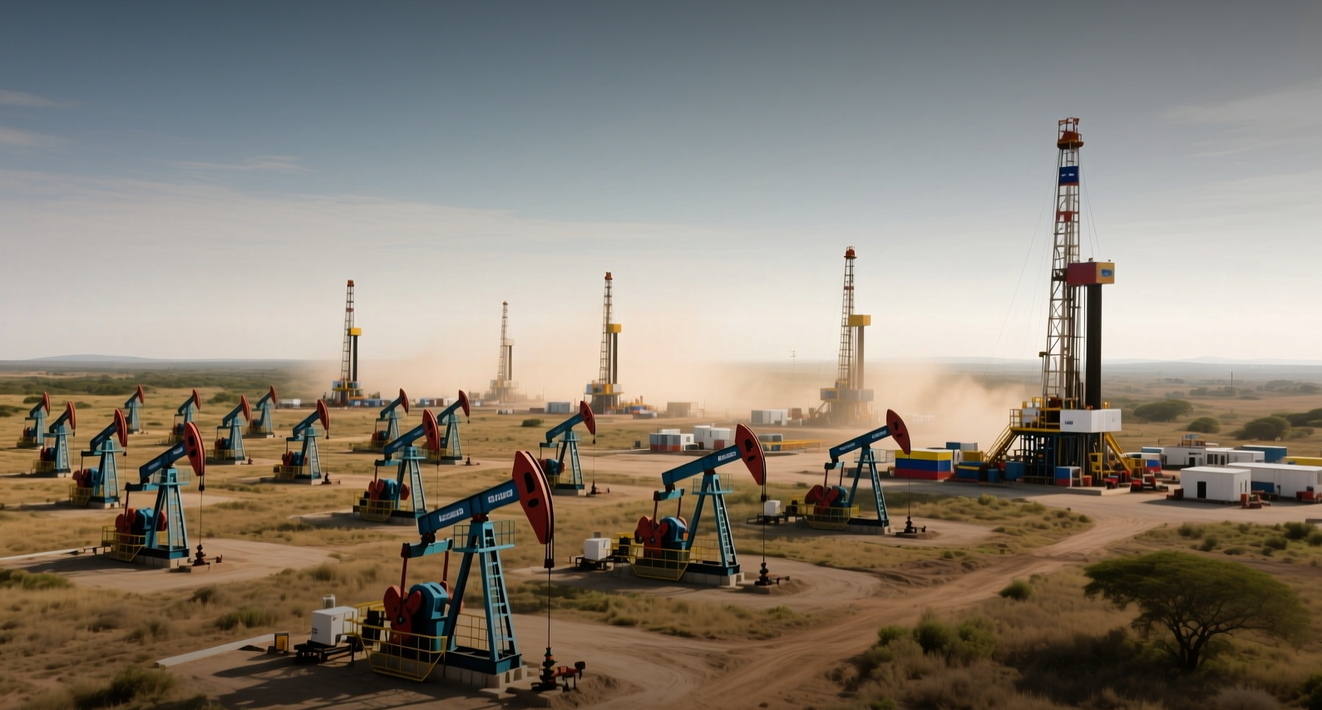
Chevron is betting more than $7 billion that Venezuela's oil sector is open for business again, announcing Wednesday a five-year expansion that would more than double its production in the South American nation through new acreage and enlarged joint ventures.
The commitment ranks among the largest by a US oil major to Venezuela's energy sector since Washington imposed sanctions on the country's oil industry. Chevron has maintained operations in Venezuela through partnerships with state-owned PDVSA, though the sanctions framework has historically capped how much the company could invest and produce there.
The planned expansion comes as Washington and Caracas have shown signs of warming energy cooperation. Chevron's existing Venezuela operations have operated under a specific license from the US Treasury, and this new investment suggests the regulatory framework for US companies in the country is broadening rather than tightening.
For Chevron, the expansion strengthens its international production portfolio at a time when the company is also deploying capital across US shale, the Permian Basin, and deepwater projects in the Gulf of Mexico. Venezuela's proximity to US Gulf Coast refineries gives the country a logistical edge over other international crude sources, and the new acreage provides access to additional reserves that extend the company's resource base.
The commitment also carries implications for global oil supply. Venezuela holds some of the world's largest proven oil reserves, but production has fallen well below historical peaks after years of underinvestment and sanctions. Chevron's capital injection could help reverse that decline, adding barrels to a market that has contended with OPEC+ production cuts and geopolitical supply disruptions.
The five-year timeline means the full production impact will not materialize until around 2031. Chevron will need to navigate Venezuela's operating challenges, including aging infrastructure, workforce constraints, and the country's broader economic conditions, to deliver on the expansion targets.
The deal could also prompt other international oil companies to reassess Venezuela. Exxon Mobil, Shell, and other majors have largely stayed away from the country since its oil industry was nationalized, and Chevron's willingness to commit billions may signal that the investment climate has shifted enough to justify renewed interest.
For investors, the expansion adds a growth vector to Chevron's portfolio at a time when many oil majors are prioritizing shareholder returns over production growth. The company's ability to execute in Venezuela's complex operating environment will determine whether this bet pays off, but the scale of the commitment suggests management sees a durable path to higher output.
This article is for informational purposes only and does not constitute investment advice.
