President Nayib Bukele said El Salvador retains control of its roughly 7,764-bitcoin strategic reserve, clarifying that only Chivo wallet shares moved to a private operator under the IMF-backed program.
President Nayib Bukele said El Salvador retains control of its roughly 7,764-bitcoin strategic reserve, clarifying that only Chivo wallet shares moved to a private operator under the IMF-backed program.
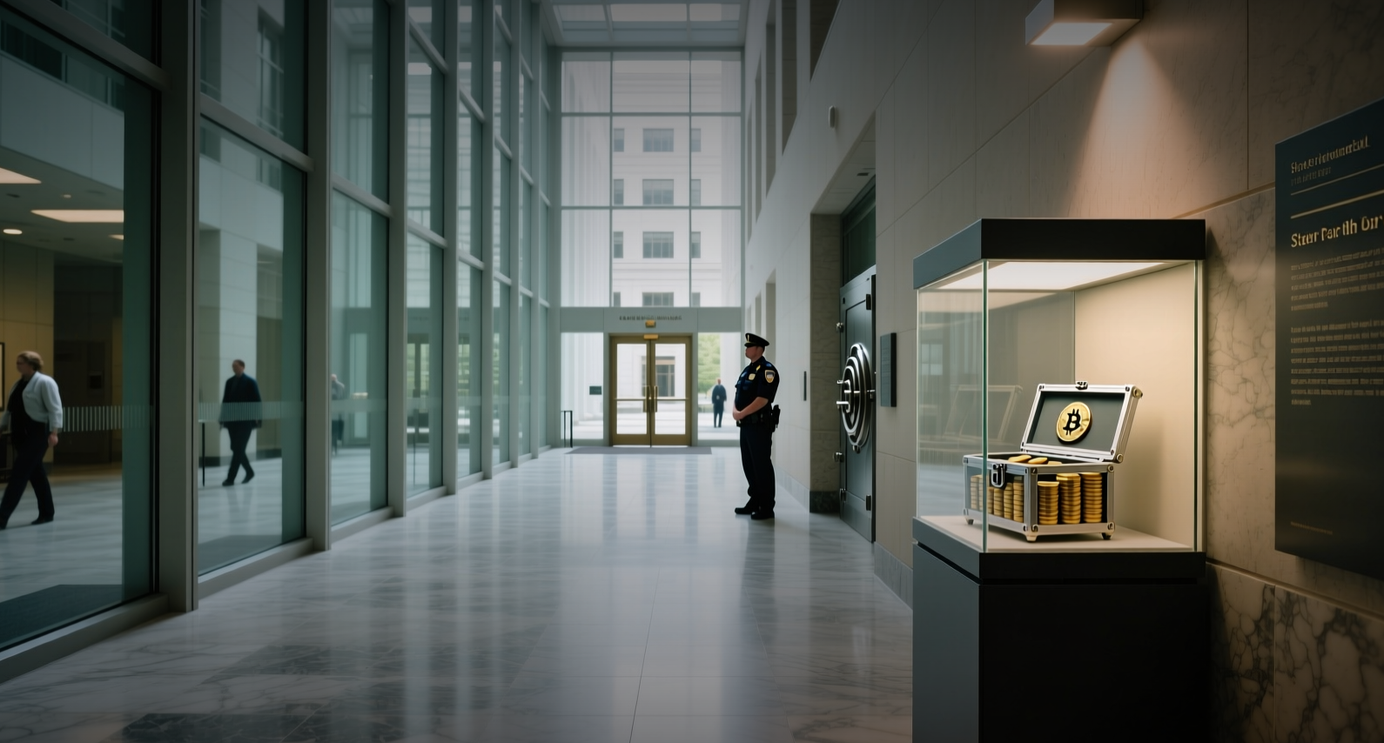
El Salvador's sovereign Bitcoin stockpile of roughly 7,764 coins stays in state hands, President Nayib Bukele said Sept. 5, pushing back on reports that an IMF-linked restructuring had ceded the holdings to a private operator.
"Read it. It clearly says the opposite: that the only thing that was transferred was the Chivo shares, something that was offered a year and a half ago, and NOT the Bitcoin Strategic Reserve," Bukele, president of El Salvador, said on X, linking to the fund's Sept. 3 staff-level agreement.
The fund's combined second and third review of El Salvador's $1.4 billion Extended Fund Facility — a 40-month program begun in early 2025 — would unlock about $140 million in new disbursements pending board approval. The agreement disclosed that majority ownership and operational control of Chivo, the government-backed Bitcoin payment app launched in 2021, had moved to a private operator, with the state keeping a minority stake and serving as custodian for customer assets.
The clarification matters because the reserve, worth between $618 million and $632 million at current prices, anchors El Salvador's sovereign Bitcoin experiment — the first country to make the token legal tender in September 2021 before revoking that status in 2025 as an IMF precondition.
The confusion traces to conflation between two separate structures. Chivo, El Salvador's flagship payment app that once offered a $30 sign-up bonus in Bitcoin, is a corporate entity whose shares were restructured. The Strategic Bitcoin Reserve is a separate sovereign stockpile accumulated over several years. Bukele said only the former changed hands.
The mix-up began with El País, the Spanish daily with more than 17.6 million monthly readers, which reported on social media that El Salvador had transferred majority ownership and control of more than 7,763 coins, valued above $632 million, to a private operator. Bukele called the coverage "totally false," accusing the outlet of misleading its audience.
The fund noted that any Bitcoin acquired since the last review came through private donations rather than public funds, and said no further public accumulation is expected. El Salvador has nonetheless continued adding to its coffers after the announcement, according to the president's public statements.
The episode highlights the balancing act between Bukele and the fund. The $1.4 billion facility, designed to shore up El Salvador's fiscal position and debt sustainability, required the country to unwind Bitcoin's legal-tender status. Yet the reserve has grown through donation-funded purchases — a workaround that keeps public money out of the picture while preserving the crypto program.
The fund praised El Salvador's performance, saying "economic activity has outperformed expectations, while fiscal and external imbalances are being addressed in line with program commitments." Bukele credited the results to security and investor confidence, pointing to a primary fiscal surplus and reduced poverty.
For market participants, the clarification bears on how sovereign Bitcoin holdings are governed. Unlike most national reserves, which sit with central banks under explicit custody rules, El Salvador's stockpile operates under presidential control with no published custody or audit framework. That ambiguity, rather than the Chivo restructuring itself, is what investors will watch as the $140 million disbursement moves toward board approval.
This article is for informational purposes only and does not constitute investment advice.
