

Intel's 8% stock rout on Friday wiped out more than $20 billion in market value as investors questioned whether its manufacturing-centric turnaround can compete in an AI chip market dominated by TSMC and Nvidia.
Intel's 8% stock rout on Friday wiped out more than $20 billion in market value as investors questioned whether its manufacturing-centric turnaround can compete in an AI chip market dominated by TSMC and Nvidia.
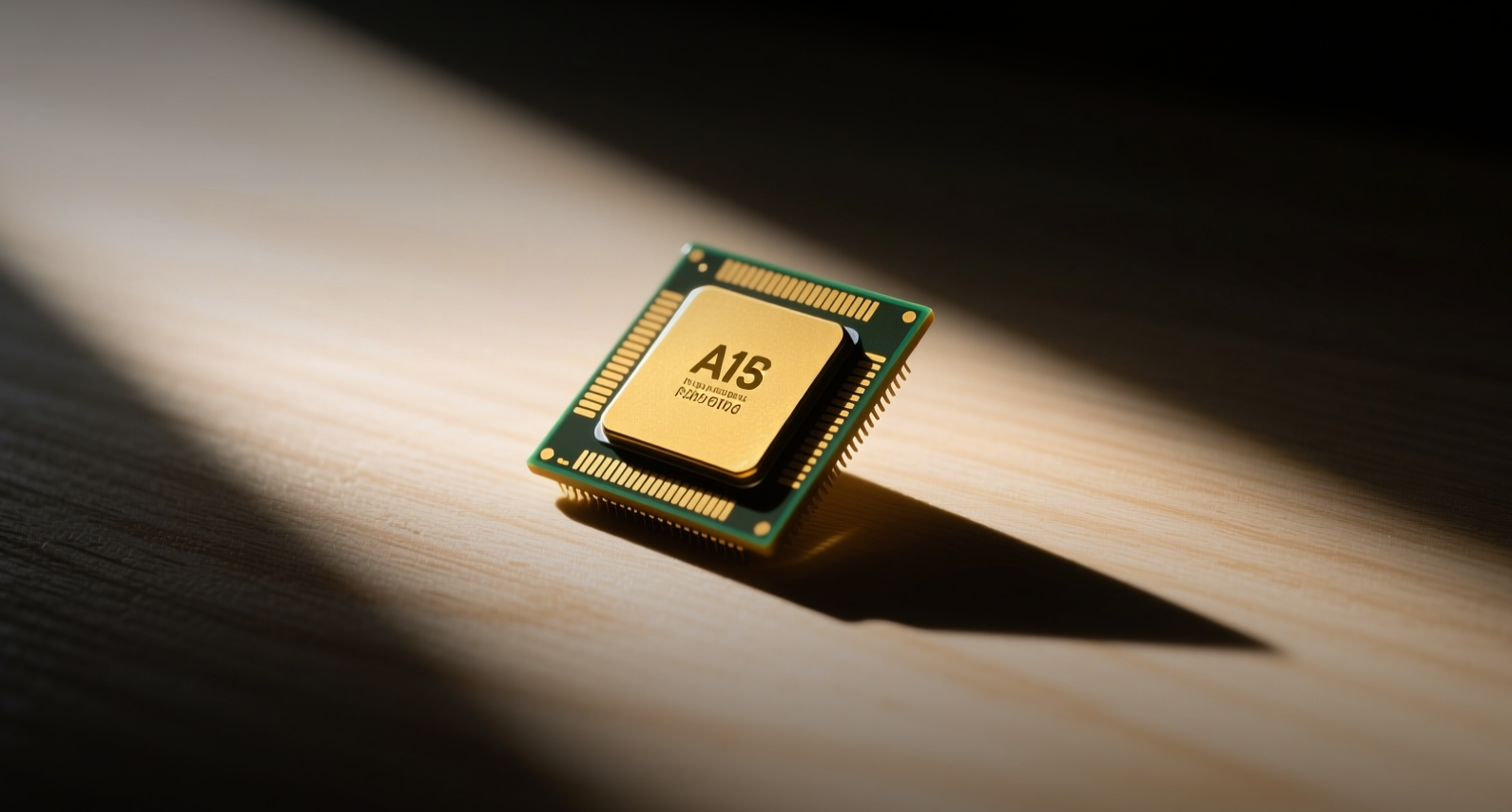
Intel's 8% stock rout on Friday wiped out more than $20 billion in market value as investors questioned whether its manufacturing-centric turnaround can compete in an AI chip market dominated by TSMC and Nvidia.
Intel shares fell 8.02% to close at a multi-month low on July 25, extending a year-to-date decline as the company pursues what it has called one of the most ambitious semiconductor turnarounds in history. The Santa Clara, California-based chipmaker is betting that reclaiming manufacturing leadership through advanced process nodes — the technology that determines how many transistors fit on a chip — will restore its competitive edge as artificial intelligence reshapes the industry.
"Intel's challenge is that the market is pricing in execution risk for a multiyear foundry buildout while TSMC and Samsung are already shipping advanced nodes at scale," said Rachel Kim, semiconductor analyst at Edgen. "The AI boom has accelerated the timeline — Intel needs to deliver 18A (the equivalent of 1.8nm-class process technology) yields that are competitive, not just functional."
The 8% drop came with no single company announcement, suggesting a broader reassessment of Intel's turnaround timeline. The company's foundry services segment, which manufactures chips for external customers, has yet to land a marquee AI customer to rival Nvidia's reliance on TSMC for its H100 and Blackwell-series graphics processors. Intel's data center revenue, once its strongest business line, has lost share to Nvidia's GPU-based AI accelerators and AMD's EPYC server processors.
Why the Market Is Skeptical
Intel's strategy hinges on its 18A process node, expected to enter high-volume manufacturing in the second half of 2025. The node uses RibbonFET transistors (a gate-all-around architecture that improves power efficiency) and PowerVia backside power delivery (which separates power and signal wires to reduce congestion). Both technologies are firsts for Intel but unproven at scale.
TSMC, by contrast, is already shipping 3nm-class N3 nodes to Apple and Nvidia and plans to begin 2nm (N2) production in 2025. Samsung Foundry is pursuing its own gate-all-around technology, called GAAFET, on its 3nm node. Intel's foundry ambitions require it to win business from companies that have historically designed chips for TSMC's process design kits — a switching cost that includes months of redesign work.
Nvidia, the dominant AI chip designer with an estimated 80% market share in data center AI accelerators, has shown no indication of diversifying away from TSMC. AMD, Intel's longtime x86 rival, also relies on TSMC for its MI300-series AI accelerators and Ryzen processors.
The AI Manufacturing Bet
Intel's argument to investors is that AI's insatiable demand for compute will create a market large enough for multiple foundries. The company projects the total addressable market for semiconductors will reach $1 trillion by 2030, with foundry services representing a growing share as more chip designers shift to fabless models.
The company has committed tens of billions of dollars to building fabrication plants in Arizona, Ohio, Ireland, and Germany, supported by Chips Act funding from the U.S. government. Intel received up to $8.5 billion in direct funding and $11 billion in loans under the 2022 Chips and Science Act, which aims to restore domestic semiconductor manufacturing.
But the capital intensity of building leading-edge fabs — each facility costs $20 billion to $30 billion — means Intel must generate foundry revenue quickly to avoid margin dilution. The company's foundry segment reported an operating loss of $7 billion in 2024, according to its annual filing, underscoring the financial drag before any potential payoff.
For investors, the question is whether Intel can execute its manufacturing roadmap while defending its remaining market share in PCs and servers. Intel trades at roughly 22 times forward earnings, a discount to Nvidia at 35 times and AMD at 30 times, reflecting the market's skepticism that the turnaround will succeed. If Intel's 18A node delivers competitive yields and wins a major external customer, the stock could re-rate higher. If it slips, the company may face a more severe restructuring than the cost-cutting plans already underway.
This article is for informational purposes only and does not constitute investment advice.
