
Prime Minister Sanae Takaichi's government backs a near-term Bank of Japan rate hike, aligning Tokyo with the central bank's push to accelerate tightening.
Prime Minister Sanae Takaichi's government backs a near-term Bank of Japan rate hike, aligning Tokyo with the central bank's push to accelerate tightening.
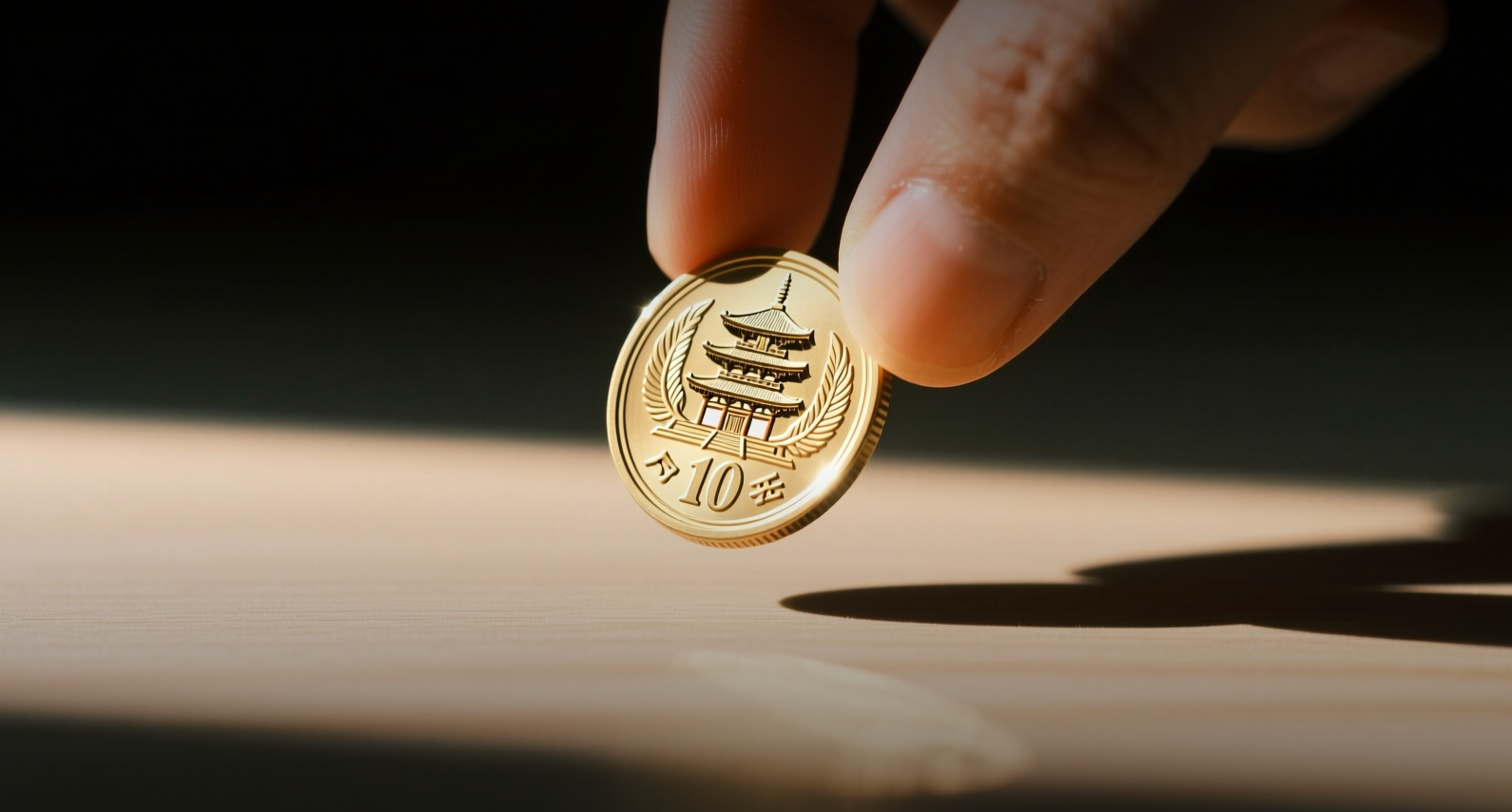
Japan's government supports a near-term Bank of Japan rate hike, likely in September or October, aligning Tokyo with the central bank's push to accelerate tightening as inflation risks build, people familiar with the matter said.
Governor Kazuo Ueda reinforced the hawkish message at his post-meeting press conference, stressing that upside risks to prices were growing. "If we judge that financial conditions remain accommodative, there is a possibility we could accelerate the pace of rate hikes," he said.
Overnight swaps now price a roughly two-in-three chance of a September hike, up from around 30 percent in late July, and almost fully price a move by October. The benchmark 10-year Japanese government bond yield climbed to 2.805 percent, edging toward the 3 percent threshold some analysts see as a trigger for fresh selling. The yen, which slid to a 40-year low of 163 against the dollar this year, rose about 20 pips on the news.
A third hike within 12 months would mark the fastest tightening cycle since 1989, the peak of Japan's asset bubble. The BOJ has raised rates roughly twice a year since ending its decade-long stimulus program in 2024, taking the policy rate to a 31-year high of 1 percent in June. Markets price a 74 percent probability of a move at the September 18-19 meeting.
The summary of the July policy meeting, released Monday, showed at least three of nine board members arguing the BOJ should raise borrowing costs faster than its current trajectory of roughly two hikes a year. One member warned that "the risk of waiting is no longer marginal," while another said the bank could "consider making the pace of rate hikes faster than markets imagine." Hajime Takata was the sole dissenter in the 8-1 vote to hold rates steady in July, arguing for an immediate quarter-point hike to 1.25 percent.
Three factors are driving the anxiety inside the BOJ: the weak yen, elevated oil prices tied to Middle East tensions, and surging global demand for artificial intelligence, which is stoking price pressures in everything from electricity to equipment. Producer price inflation hit a 3-1/2 year high, and the BOJ projects core inflation will accelerate to "clearly above" 2 percent from the second half of fiscal 2026. The central bank's own estimate of the neutral rate ranges from 1.1 percent to 2.5 percent, suggesting the current 1 percent policy rate is just entering restrictive territory.
The path to tighter policy is not smooth. Takaichi, a devotee of the late Shinzo Abe's reflationary policies, has urged the central bank to buy more bonds when necessary to curb long-term rate increases, domestic media reported. Economy Minister Minoru Kiuchi warned of the economic consequences of the BOJ's balance-sheet reduction and urged policymakers to prioritize market stability, according to minutes of the June meeting.
The BOJ is defending its normalization push, arguing in a recent research paper that rising inflation, not reduced bond buying, is driving yields higher. "Demanding the BOJ to buy bonds when long-term rates are rising would backfire by stoking concerns over fiscal dominance," said Nobuyasu Atago, a former BOJ official. Some analysts suspect political pressure has already influenced policy, pointing to the BOJ's June decision to pair a rate hike with a suspension of its bond-taper plan.
A nudge from U.S. Treasury Secretary Scott Bessent may help deter the Takaichi administration from openly opposing a near-term hike. Sources told Reuters that recent joint Japan-U.S. intervention to support the yen, combined with Bessent's desire for an early BOJ move, have all but locked in a September increase. The BOJ has lined up three speaking events by board members ahead of the September 18-19 meeting, which could offer further clues on timing.
Most analysts polled by Reuters expect the BOJ to raise rates to 1.25 percent by year-end. If the central bank moves in September or October, it would complete three hikes in 12 months, the fastest tightening since 1989, when Japan's asset bubble was at its peak.
This article is for informational purposes only and does not constitute investment advice.
