

Key Takeaways:
- LVMH's fashion and leather sales grew 1% in Q2, missing the 1.52% consensus.
- US demand rose 6%, offsetting weakness in Europe and the Middle East.
- The miss highlights a luxury slowdown as jewellery outperforms handbags.
Key Takeaways:
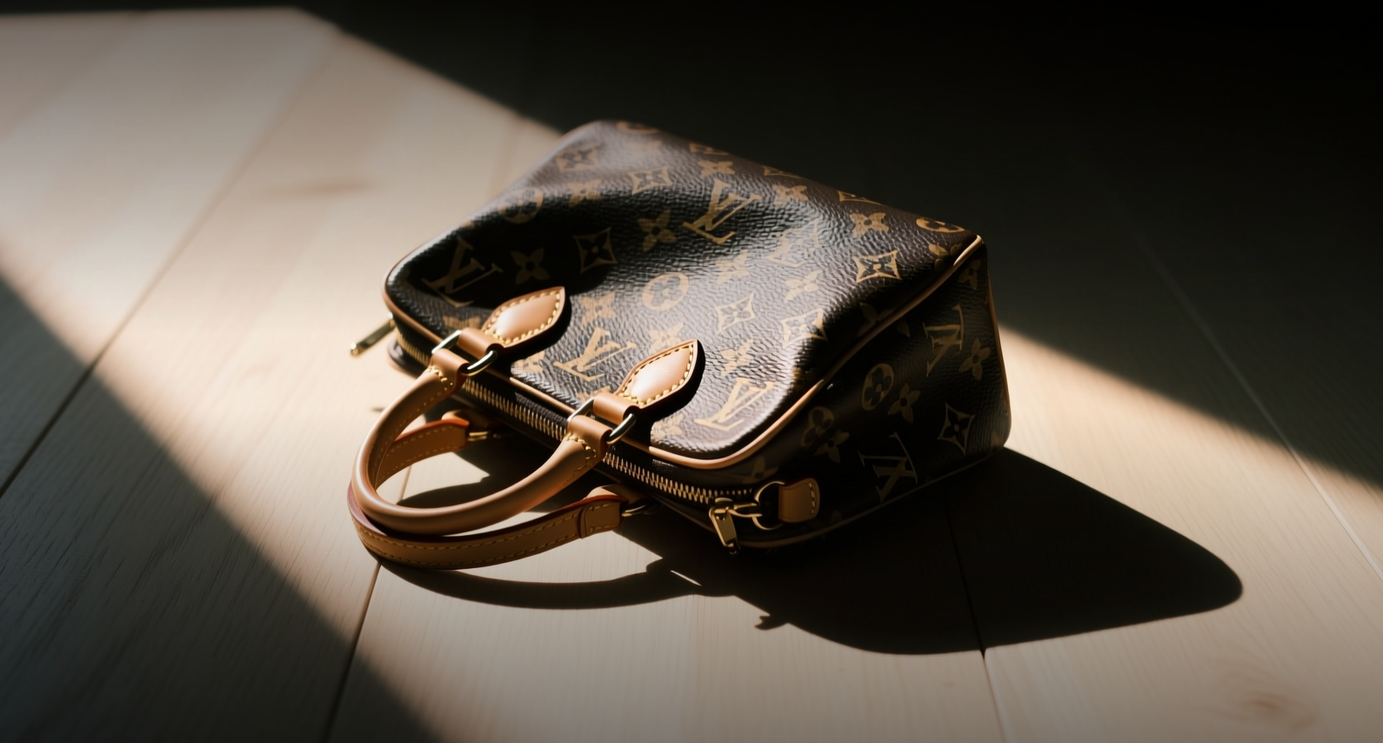
LVMH's fashion and leather sales rose 1% in the second quarter, missing the 1.52% analyst consensus estimate.
"The results reflect a challenging environment for soft luxury as consumers shift spending toward jewellery and experiences," Carole Madjo, head of European luxury research at Barclays, said.
The fashion and leather goods division, LVMH's largest segment, generated the 1% organic growth in the three months through June, below the 1.52% average analyst estimate. Overall group sales rose 3% on a currency-adjusted basis, matching analysts' expectations. US sales climbed 6% in the quarter, accelerating from 3% growth in the first three months of the year.
The miss adds to pressure on LVMH shares, which have fallen 28% this year, making it one of Europe's worst-performing large-cap stocks. The results contrast with the jewellery segment, where Richemont's Cartier and Van Cleef & Arpels posted 24% sales growth in the same period, highlighting a shift in consumer preferences away from high-end handbags.
The underperformance in fashion and leather comes as younger consumers increasingly view luxury handbags as overpriced and lacking innovation, according to Bain & Co. The category has historically been a key driver of margins for LVMH, which owns brands including Louis Vuitton, Dior and Celine.
Rival Kering, owner of Gucci, reports second-quarter sales on Tuesday, followed by Hermes on Wednesday. Kering's new jewellery division, which includes Pomellato and Boucheron, posted 22% comparable sales growth in the first quarter, outperforming all other segments.
The divergence between fashion and jewellery is reshaping the $400 billion luxury industry. Barclays analysts last month raised their 2026 growth forecast for LVMH's watches and jewellery division to 8% from 7%, well above the 3% posted last year. The division accounted for 13% of LVMH's 81 billion euros in 2025 revenue.
The earnings miss shows that LVMH's core fashion business faces headwinds from shifting consumer preferences and geopolitical tensions. Investors will watch Tuesday's Kering and Wednesday's Hermes reports for further signs of whether the luxury slowdown is broadening.
This article is for informational purposes only and does not constitute investment advice.
