

Nvidia's Rubin-generation chips eliminate water-guzzling cooling fans with a closed-loop liquid coolant system, addressing a growing regulatory and reputational threat to the AI industry.
Nvidia's Rubin-generation chips eliminate water-guzzling cooling fans with a closed-loop liquid coolant system, addressing a growing regulatory and reputational threat to the AI industry.
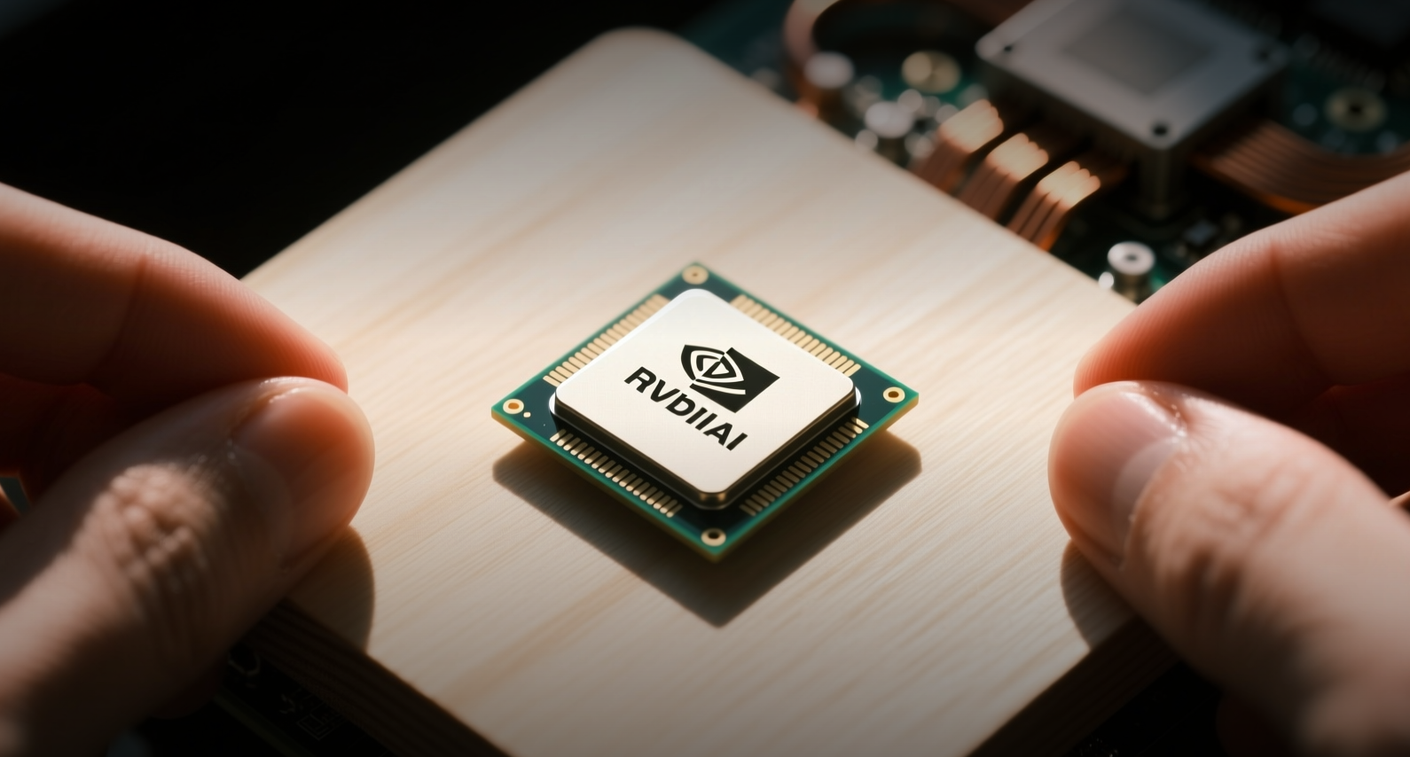
Across the US, municipalities and states are passing legislation that limits or bans data centers as the AI industry's appetite for electricity and water draws public backlash. Nvidia's answer: a closed-loop liquid coolant for its Rubin-generation chips that eliminates the need for water-guzzling fans entirely.
"This is a massive engineering feat and an important step toward solving a major problem," the company said, noting the technology works without requiring fresh water. The self-cooling chips and networking components use a sealed liquid loop rather than evaporative cooling systems that consume millions of gallons annually.
The Rubin-generation infrastructure removes cooling fans that gulp water, replacing them with a closed-loop liquid coolant system. Mitsubishi Heavy Industries, a partner in Nvidia's DSX platform, shipped its 10MW-class centrifugal chiller test unit to the US in July, with arrival scheduled at the Port of Brunswick, Georgia. MHI's Modular Chiller Plant integrates the chiller with pumps, heat exchangers, and controls in a pre-engineered architecture designed to support Nvidia's AI factory-scale platform. The closed-loop configuration addresses both Power Usage Effectiveness and Water Usage Effectiveness, a metric that has become a flashpoint for regulators.
The water crisis is more than a public relations problem for the AI industry. Data centers consumed an estimated 1.7 billion gallons of water daily in the US in 2024, according to research from the University of California, Riverside — roughly equivalent to the water use of a city of 5 million people. With municipalities from Arizona to Virginia tightening restrictions, the regulatory bottleneck threatens to slow the pace of AI infrastructure deployment.
Why the cooling breakthrough matters for investors
Nvidia's self-cooling technology could become the industry standard, giving the company another competitive advantage beyond its dominant GPU lineup. The company's data center revenue reached $47.5 billion in its most recent fiscal year, and removing water constraints could accelerate deployment timelines for hyperscale customers such as Microsoft, Amazon, and Google, all of which face their own water-sustainability targets.
The technology does not solve the water used to generate electricity for data centers — a far larger consumption category tied to power plant cooling. But it removes a key reputational and regulatory hurdle at a moment when anti-data-center sentiment is rising. In Virginia, home to the world's largest data center market, lawmakers introduced bills this year requiring environmental impact studies for new facilities. Arizona's Salt River Project, which supplies power to Phoenix-area data centers, warned of capacity constraints.
Competitive and supply chain implications
Nvidia's coolant system relies on partners such as MHI for the chiller infrastructure, while the chip-level cooling is integrated into the Rubin architecture. TSMC, which manufactures Nvidia's chips on its 3nm and upcoming 2nm nodes, stands to benefit from higher wafer volumes if water constraints no longer limit data center buildouts. Advanced packaging provider ASE and memory supplier SK Hynix, which supplies HBM4 memory for Nvidia's next-generation GPUs, also have exposure to the cooling solution's success.
AMD and Intel, Nvidia's primary GPU competitors, have not announced equivalent closed-loop cooling systems for their data center chips. If Nvidia's solution becomes the de facto standard for high-density AI deployments, it could widen the moat around its data center business, which already commands an estimated 80% market share in AI training chips.
Nvidia shares, trading at about 35 times forward earnings, have slipped slightly over the past month as the broader semiconductor sector faced headwinds. Analysts' consensus price target stands near $300 per share, implying roughly 20% upside from current levels. The cooling technology, while not a near-term revenue driver, removes a risk factor that some investors had flagged as a potential drag on data center growth.
This article is for informational purposes only and does not constitute investment advice.
