

Key Takeaways: New York City has given Amazon and 41 other retailers until Aug. 18 to stop selling illegal e-bikes and scooters or face fines of up to $2,000 per violation.
Key Takeaways: New York City has given Amazon and 41 other retailers until Aug. 18 to stop selling illegal e-bikes and scooters or face fines of up to $2,000 per violation.
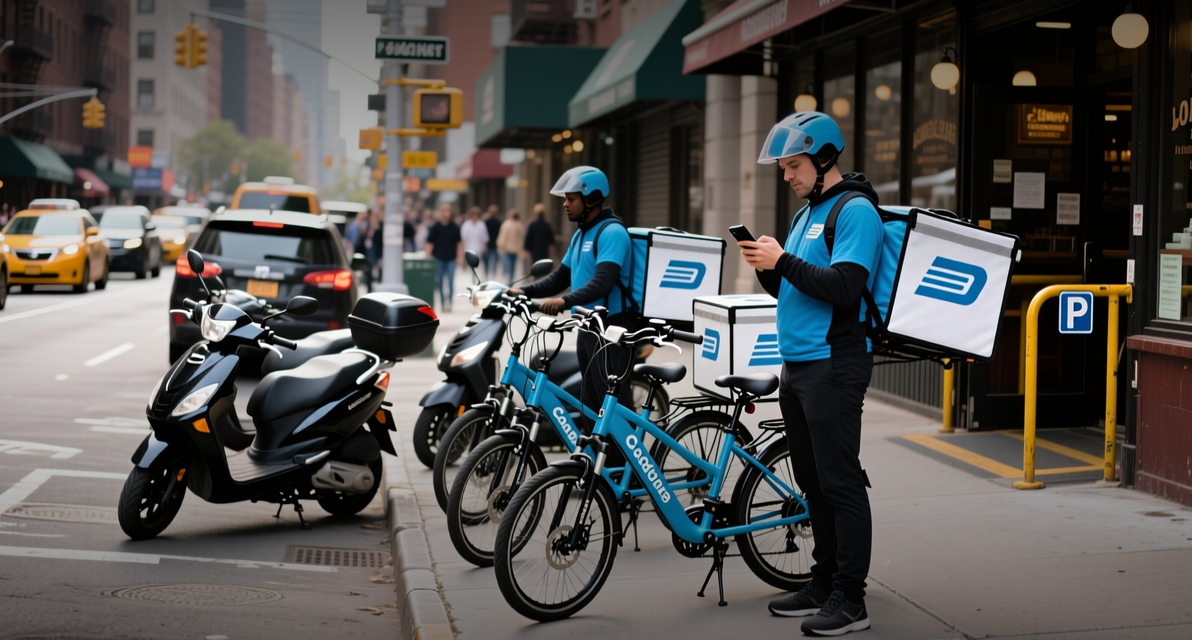
New York City has given Amazon and 41 other retailers until Aug. 18 to stop selling illegal e-bikes and scooters or face fines of up to $2,000 per violation.
New York City issued cease-and-desist orders to 42 retailers, including Amazon and Target, demanding they halt sales of e-bikes and stand-up scooters that exceed speed and weight limits, with fines of up to $2,000 per violation after the Aug. 18 deadline.
"We're going to go after those websites and retailers that are willfully selling illegal vehicles to New Yorkers," Mayor Zohran Mamdani said. "It should not have to be up to each New Yorker to know every single line of New York City law."
City law prohibits electric stand-up scooters over 100 pounds or exceeding 20 mph, e-bikes with motors larger than 750 watts that exceed 25 mph, and seated mopeds without a valid vehicle identification number. The crackdown follows the death of Gabriel Nacato, a 17-year-old who fatally collided with a vehicle while riding an e-bike near City Hall last week.
The enforcement action is part of a broader municipal campaign against Amazon's New York operations — Mamdani has also pressed the company on delivery worker classification and idling vehicle fines. The city is encouraging retailers to meet with the Department of Transportation, the NYPD, and the law department to lay out compliance plans.
NYC DOT Commissioner Mike Flynn said the proliferation of faster, heavier illegal e-mobility devices is "an alarming trend on our streets," noting that speed and weight are the two biggest factors in crash severity. "While legal e-mobility remains a great option to get around the city, faster illegal e-bikes and scooters are dangerous for everyone who shares our streets, including riders," Flynn said.
Amazon said in a statement that safety is a top priority and that it requires e-bikes sold in its store to meet applicable safety standards. "We are looking into the products in question and look forward to partnering with the Mayor and City Council," a spokesperson said. Target did not immediately respond to requests for comment.
The e-bike enforcement is the latest front in Mamdani's campaign against Amazon. The mayor has separately pressed the company on the classification of its delivery workers and on fines for idling vehicles, issues that touch on labor standards and environmental rules in the city.
The regulatory push comes as e-bike usage has surged across New York, with delivery workers relying on them for food and package delivery. Legal e-bikes remain permitted under city law, but the enforcement targets devices that exceed the thresholds — a distinction that could reshape what products major retailers offer to New York consumers.
Retailers have until Aug. 18 to come into compliance or face fines of up to $2,000 per violation. The city is also encouraging companies to meet with the NYC DOT, the NYPD, and the city's law department to lay out compliance plans.
The action could set a precedent for other cities grappling with e-bike safety. New York's approach — targeting retailers rather than individual riders — shifts enforcement upstream to the point of sale, potentially making it harder for consumers to acquire illegal devices in the first place. For Amazon, the stakes extend beyond e-bikes: the cease-and-desist orders arrive as the company faces mounting scrutiny from city officials over how it classifies its delivery workforce and whether its delivery vehicles comply with local idling rules, creating a regulatory environment that could raise operating costs for one of the city's largest logistics operators.
This article is for informational purposes only and does not constitute investment advice.
