
Crude breached the $100 mark for the first time since July on renewed Iran war exchanges, while fresh US bans on Canadian imports deepened the trade conflict.
Crude breached the $100 mark for the first time since July on renewed Iran war exchanges, while fresh US bans on Canadian imports deepened the trade conflict.
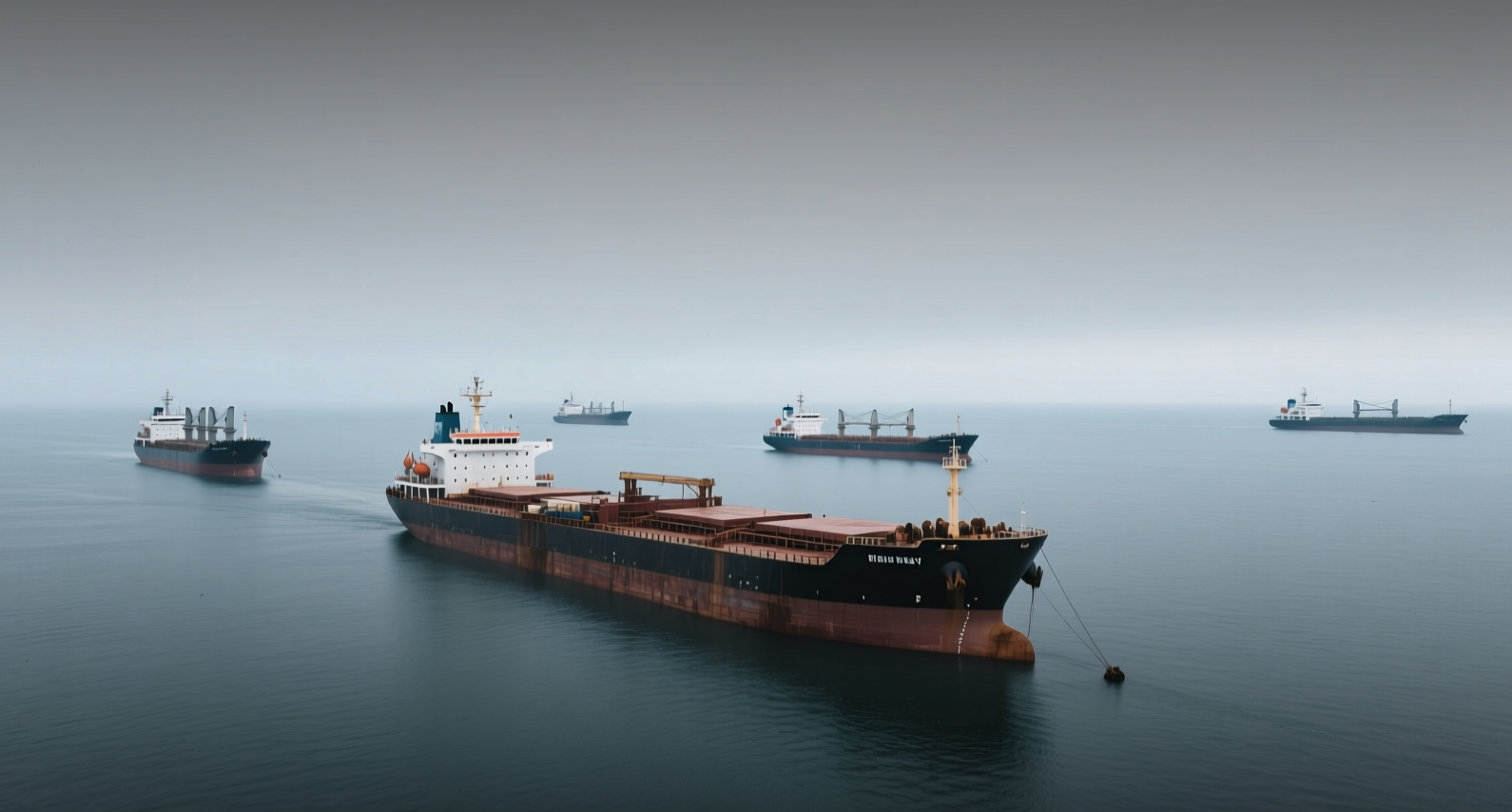
Oil prices climbed above $100 a barrel for the first time since July as renewed back-and-forth strikes in the Iran war reimposed a geopolitical risk premium on crude, with Washington's latest bans on Canadian imports adding a second escalation front to global markets.
"Since a fair deal wasn't on the table, we made the right choice to walk away from a bad one," Mark Carney, Canadian prime minister, said as retaliatory tariffs on roughly $20 billion of US goods took effect.
The White House said Tuesday it will ban dairy products, most alcoholic beverages and motorcycles from Canada, a measure taking effect in three weeks, and directed the General Services Administration to bar Canadian products from large, long-term US government contracts until Ottawa allows "full and fair reciprocity." Canada's tariffs, some as high as 50 percent, hit hundreds of American products from steel and aluminum to clothing and cheese at rates of 15, 25 or 50 percent.
The two-front escalation — an Iran-driven oil spike and a spiraling US-Canada trade war — threatens to feed cost-push inflation just as central banks weigh the path of rates, with crude above $100 adding pressure on energy-heavy and trade-sensitive sectors.
Canada's tariffs cover about $20 billion in American goods, roughly 6 percent of the $333.6 billion the United States exported to its northern neighbor last year. The measures match duties Trump imposed on Canadian imports, including the 50 percent tariffs applied Aug. 22 to about 5 percent of Canadian goods, after formal trade talks collapsed a day earlier.
Carney, who came to power vowing to stand up to Trump, said the strategy was about reducing Canada's reliance on its largest trading partner. "It's about ensuring that no country can hold us hostage," he said. More than 70 percent of Canadian exports still go to the United States, showing the scale of the diversification push, which Carney said was on track to double exports to other countries over the next decade.
The rupture has upended one of the world's closest relationships. Trump has repeatedly suggested Canada become the 51st US state, and over the weekend posted an AI-generated cartoon depicting himself looming over Carney. Some Canadian provinces have banned US alcoholic products, prompting the US ban on Tuesday. British Columbia Premier David Eby said the province will install signs at US border crossings reading: "Welcome to British Columbia, Canada. Strong, proud and will NEVER be the 51st state."
Neither side is rushing back to the table. Gabriel Brunet, a spokesman for Canada-US Trade Minister Dominic LeBlanc, said officials remain in contact even though formal talks have not resumed. Former US trade official Wendy Cutler said Carney's approval rating, now topping 70 percent, gives him little reason to restart talks. "Clearly, at this point each side does not want to look too anxious to reengage in fear of looking weak," she said.
Carney is due in Strasbourg next week to address the European Parliament, part of a push to deepen ties with the European Union that could stop short of membership. Canada is already consulting provinces, territories and labor groups about a deeper relationship with the EU, a Canadian official said.
For markets, the question is how long the Iran-driven risk premium holds crude above $100 and whether the trade escalation forces central banks to price a stickier inflation path. The oil spike and the trade rupture together test whether a smaller US ally can resist Trump's economic pressure without yielding, with consequences that extend well beyond North America.
This article is for informational purposes only and does not constitute investment advice.
