
Fifty thousand US troops remain deployed across the Middle East enforcing a naval blockade that has cut Iran's oil exports to zero.
Fifty thousand US troops remain deployed across the Middle East enforcing a naval blockade that has cut Iran's oil exports to zero.
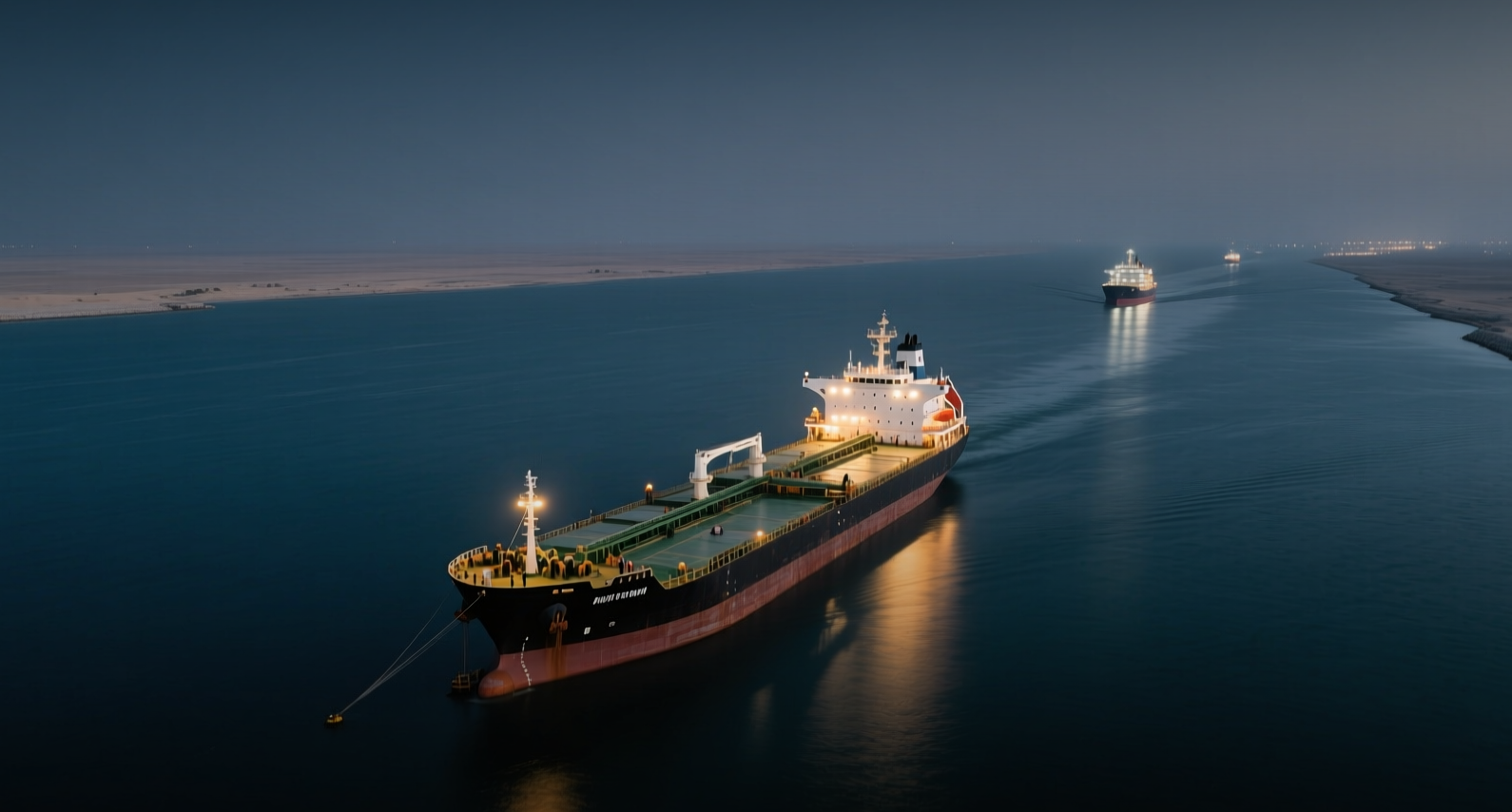
Fifty thousand US troops remain deployed across the Middle East enforcing a naval blockade that has cut Iran's oil exports to zero.
The US is keeping about 50,000 troops in the Middle East enforcing a naval blockade that has cut Iran's oil exports to zero, CENTCOM's Brad Cooper said Thursday, as the six-month war strains US forces.
"Many of our 50,000 US military personnel operating across the region are doing an exceptional job of enforcing the naval blockade against Iran, whilst at the same time ensuring the flow of commercial traffic through the Strait of Hormuz," Cooper, commander of US Central Command, said in a video posted to social media.
The blockade, restored in mid-July with more than 20 warships, has reshaped global energy flows. US Treasury Secretary Scott Bessent said the US exported 130 million barrels of oil over the past 14 days while Iran exported none. Between 20 and 30 tankers now transit the Strait of Hormuz nightly, about half the pre-conflict level, with Iran striking roughly 2 percent of ships passing through over the past month, according to US officials.
The deployment exposes the strategic cost of the conflict, which began Feb. 28 when the US and Israel struck targets in Iran. The last US aircraft carrier in Asia, the USS George Washington, has been pulled to the Middle East, and Washington scrapped joint Marine drills with South Korea for lack of available forces. With US strategic oil reserves at their lowest in 40 years, the administration is closing in on a deal with Venezuela's interim government that would double US reserves, according to Axios.
The Strait of Hormuz, which handles about 21 percent of global oil trade, has been cleared of Iranian naval mines, Cooper said, calling the milestone "important." Yet the waterway remains a flashpoint: Tehran has attacked roughly 2 percent of transiting ships over the past month, and Iranian Deputy Foreign Minister Kazem Gharibabadi dismissed Trump's claim that the strait is "new US territory" as a symptom of "schizophrenia."
The last time the strait faced a comparable closure threat, after tanker attacks in 2019, Brent crude spiked more than 14 percent within days before easing. This time the blockade has coincided with a broader supply squeeze: US strategic reserves sit at their lowest level in four decades, and the wars in Iran and Ukraine have disrupted global output, according to officials cited by Axios.
The Middle East deployment has drained capacity from other regions. The US told South Korea in June it lacked forces for this year's Exercise Ssang Yong, the joint amphibious drills, and Trump abruptly scaled back the Ulchi Freedom Shield exercises in mid-August, calling them "totally inappropriate and hostile" to North Korea. Military spending surged 14 percent in Europe in 2025 and more than 8 percent in Asia and Oceania, according to the Stockholm International Peace Research Institute, as allies build their own capabilities.
The strain is prompting Washington to lean on partners. US Defense Secretary Pete Hegseth said this month that Colombia, Guatemala, Honduras and Ecuador had approved joint US military operations on their soil, widening the potential for American involvement abroad. Treasury Secretary Bessent will press Iran's economic isolation at next week's G20 finance ministers' meeting in Asheville, North Carolina, where he will urge compliance with sanctions, a Treasury official said.
The question now is how long the US can sustain the posture. "This shows the strategic trade-off the war in the Middle East has required," said Mark Cancian, a retired US Marine Corps Reserve colonel at the Center for Strategic and International Studies. "The US has shifted nearly all of its available naval and Marine Corps forces from the western Pacific to the Middle East."
This article is for informational purposes only and does not constitute investment advice.
