
Blume's restructuring plan faces a pivotal supervisory board vote this week, with union and state stakeholders opposing the scale of proposed German job cuts and plant closures.
Blume's restructuring plan faces a pivotal supervisory board vote this week, with union and state stakeholders opposing the scale of proposed German job cuts and plant closures.
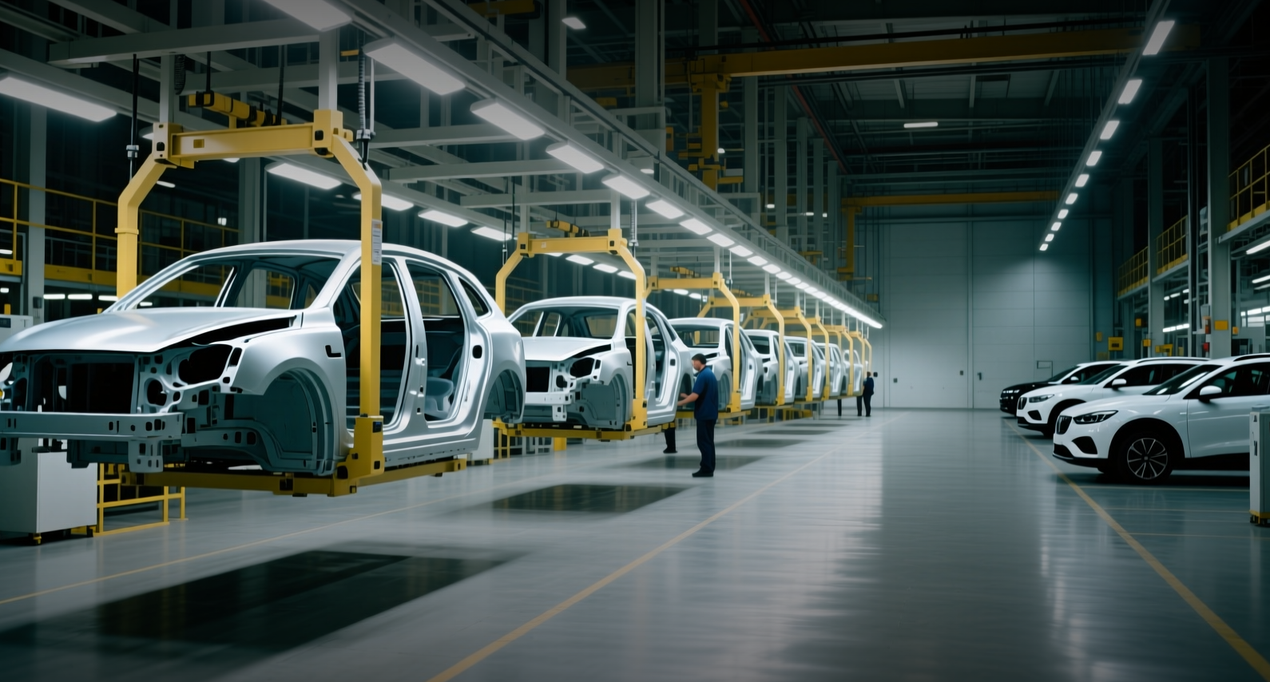
The supervisory board convenes this week for a second attempt at approving sweeping job cuts and factory closures in Germany, after Volkswagen CEO Oliver Blume's earlier proposal failed this summer. Two opposing plans submitted by labour and state government stakeholders now sit alongside management's restructuring blueprint, setting up a decisive confrontation over the carmaker's future.
"There is pressure on all sides to cut a deal," Stephan Weil, premier of Lower Saxony — Volkswagen's second-largest shareholder — said ahead of the board meeting.
Volkswagen has lost ground in China over the past six years as local brands including BYD, Leapmotor and Xpeng have taken share in the world's largest auto market. China exported 8.32 million vehicles in 2025 to more than 200 countries and regions, according to official data, as domestic competition pushed manufacturers to seek growth abroad. BYD posted its first quarterly profit rise in more than a year in the second quarter, helped by a surge in exports that offset weak domestic sales.
The stakes extend beyond Volkswagen. German industry leaders are pressing Chancellor Friedrich Merz to take a tougher line with Beijing, calling for stronger action to address what they describe as unfair competition from Chinese rivals. Just two years ago, Germany voted against the EU's proposed tariffs on Chinese-made EVs largely because its carmakers feared retaliation in China, where they sold around a third of their new cars. Chinese regulators on Tuesday issued new guidelines for automakers' overseas operations, calling on companies to strengthen anti-monopoly compliance and avoid disruptive pricing as they expand globally.
The "Detroit-ization" narrative — a reference to the decline of the U.S. auto industry — has become a buzzword in German industrial circles as fears grow that the country's manufacturing base could follow a similar trajectory. German automakers, including BMW and Mercedes-Benz, now face premium Chinese brands in their home European market, not just in China. The shift is visible on roads across Europe, where Chinese brands including BYD, Omoda, Changan and Geely have become increasingly common sights.
Blume's plan to make Volkswagen smaller and less German has triggered fierce resistance from IG Metall, Germany's largest industrial union, which has warned of "massive opposition" to the turnaround. The union and Lower Saxony have submitted competing proposals to the supervisory board, the contents of which have not been disclosed but are unlikely to include tens of thousands of job cuts and factory closures.
If management fails to muster enough support at this week's board meeting, a nuclear option remains: calling an emergency shareholder meeting. While this path risks a lengthy legal dispute between shareholders, it would allow Volkswagen to put its restructuring plan directly to investors who may be more amenable to making cuts to better compete against rapidly expanding Chinese rivals.
For investors, the outcome of this week's board meeting will determine whether Volkswagen can execute the cost reductions needed to fund its EV transition and defend its position against Chinese competitors. A diluted plan could leave the carmaker structurally disadvantaged in the global EV race, while a successful restructuring could set a template for other European automakers facing similar competitive pressure. Volkswagen shares have been under pressure as the restructuring saga has dragged on, with the market uncertain whether the company can deliver the scale of change needed. The broader question is whether any European automaker can match the cost structure and speed of Chinese EV makers, which have compressed development cycles and vertically integrated supply chains.
This article is for informational purposes only and does not constitute investment advice.
