
Dünyanın en büyük iki ekonomisi arasındaki yüksek riskli diplomasinin kurumsal gündemlerle buluştuğu Pekin'de, üst düzey ABD'li yöneticilerden oluşan bir heyet bulunuyor.
Dünyanın en büyük iki ekonomisi arasındaki yüksek riskli diplomasinin kurumsal gündemlerle buluştuğu Pekin'de, üst düzey ABD'li yöneticilerden oluşan bir heyet bulunuyor.
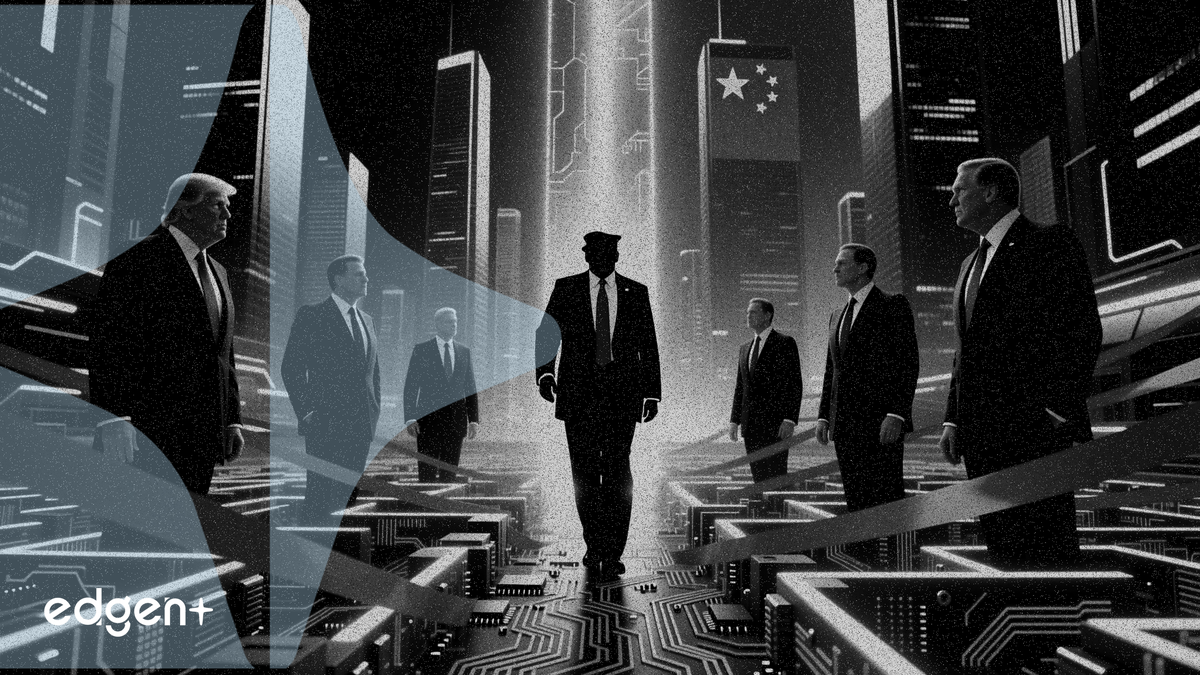
Tesla'dan Elon Musk ve Apple'dan Tim Cook da dahil olmak üzere bir düzineden fazla üst düzey Amerikalı icra kurulu başkanı, dünyanın en büyük ikinci ekonomisiyle olan acil iş sorunlarını çözmek amacıyla 14-15 Mayıs tarihlerinde Çin'i ziyaret eden Başkan Donald Trump'a eşlik ediyor. Çin lideri Şi Cinping ile iki lider arasındaki yedinci zirve olan bu görüşme, şirketlerin karmaşık pazar erişim kısıtlamaları, ihracat kontrolleri ve yoğun düzenleyici incelemeler ağında yol aldığı bir dönemde gerçekleşiyor.
Rhodium Group jeopolitik stratejisti Reva Goujon, "Satın alma anlaşmalarıyla bağlantılı olan Boeing ve Cargill'in yanı sıra diğerleri esas olarak kritik girdi arzı konusundaki taleplerini iletmek için oradalar" dedi. "Bu durum, ABD yönetiminin, bir yatırım kurulunu tartışabilmek için bile Çin'in güvenilir bir yatırım ortağı olması ve arzı silah haline getirmemesi gerektiği yönündeki mesajına yardımcı olabilir."
16 yöneticiden oluşan heyet, BlackRock ve Goldman Sachs gibi finans devlerinden Meta ve Qualcomm gibi teknoloji liderlerine kadar Amerikan endüstrisinin geniş bir kesimini temsil ediyor. Mastercard ve Visa için hedef, Çin'in sıkı bir şekilde kontrol edilen ödemeler pazarındaki varlıklarını derinleştirmek. Tesla için ise mesele, Tam Otonom Sürüş sistemi için onay almak ve Çin'den güneş enerjisi üretim ekipmanı ihracatına yönelik olası kısıtlamaları aşmak.
Yatırımcılar için zirvenin önemi, ekonomik rekabetle tanımlanan bir ilişkide öngörülebilirliği artırma potansiyelinde yatıyor. Piyasalar tam bir sıfırlama fiyatlamıyor ancak teknoloji politikası ve ticarette herhangi bir gerilimi düşürme işareti bekliyor. Diyaloğun sürekliliğinin kendisi olumlu bir gelişme olarak görülüyor, zira kesintiler hisse senedi, döviz ve kredi piyasalarında oynaklığı artırma eğiliminde oluyor.
Trump-Şi ilişkisi, Nisan 2017'deki ilk görüşmelerinden bu yana küresel piyasalar için bir odak noktası oldu. Mar-a-Lago'daki kişisel yakınlık kurmayı amaçlayan o ilk zirve, ABD'nin Suriye'ye düzenlediği hava saldırılarının gölgesinde kalmıştı. 2017 ve 2018'deki G20 zirvelerinin marjındaki sonraki toplantılara Kuzey Kore ve büyüyen ticaret savaşı damgasını vurdu.
Kasım 2017'de Pekin'e yapılan bir devlet ziyareti, çoğu bağlayıcı olmasa da 250 milyar dolarlık iş anlaşmasının duyurulmasını sağladı. Olumlu tona rağmen, Trump yönetimi aylar sonra 250 milyar dolarlık Çin malına gümrük vergisi getirdi. Haziran 2019'daki Osaka toplantısından sonra nihayet bir "birinci aşama" ticaret anlaşması imzalandı, ancak Çin küresel pandemi nedeniyle satın alma taahhütlerini yerine getirmedi. Bu haftadan önceki en son görüşmeleri Ekim 2025'te Güney Kore'de gerçekleşti ve tırmanan tarife savaşında bir yıllık bir ateşkesle sonuçlandı.
Finans piyasaları, Pekin görüşmelerine kapsamlı bir atılımdan ziyade risk kontrolüne odaklanan net bir beklenti hiyerarşisiyle yaklaşıyor. deVere Group'tan Nigel Green'in analizine göre, yatırımcılar öncelikli olarak beş sonuç bekliyor: gerilimin tırmanma riskinin kontrol altına alınması, teknoloji politikası konusunda daha net sınırlar, Tayvan konusunda istikrarlı sinyaller, öngörülebilir tarımsal ticaret akışları ve diyaloğun sürdürülmesine yönelik kararlılık.
Teknoloji politikası merkezi bir değişken olmaya devam ediyor. ABD'nin yarı iletken ve yapay zeka geliştirmeye yönelik kısıtlamaları ile Çin'in indiyum gibi kritik mineraller üzerindeki ihracat kontrolleri küresel yatırımı şekillendirdi. Herhangi bir istikrar belirtisi riskli varlıklar için destekleyici olacaktır. Benzer şekilde, Pekin'in tahıl ve et alımlarını artırmak için bir tarım anlaşmasına varılabilse de, piyasa gözlemcileri mevcut anlaşmaların ötesinde büyük yeni soya fasulyesi alımları beklemiyor. Yatırımcılar için ana çıkarım, etkileşimin gidişatıdır; tonlamadaki küçük değişiklikler bile küresel riskli varlıklar üzerinde büyük etkilere sahip olabilir.
Bazı şirketler spesifik ve yüksek riskli zorluklarla karşı karşıya. Meta, yapay zeka girişimi Manus'un 2 milyar dolarlık satın alımını geri çekmesi yönündeki Çin emriyle mücadele ediyor. BlackRock liderliğindeki bir konsorsiyum, CK Hutchison'dan 23 milyar dolarlık liman satın alma planı nedeniyle incelemeyle karşı karşıya. Bu arada Citigroup, önceki bir ortak girişimden ayrıldıktan sonra hala tamamen sahip olduğu bir menkul kıymet aracılık lisansı için onay bekliyor.
Bu makale sadece bilgilendirme amaçlıdır ve yatırım tavsiyesi teşkil etmez.
