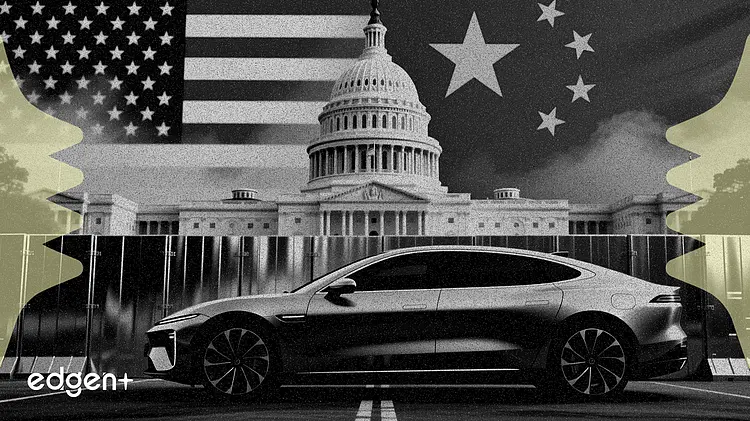
(P1) Hai dân biểu Hạ viện Hoa Kỳ sẽ giới thiệu một đạo luật vào thứ Hai nhằm củng cố lệnh cấm các nhà sản xuất ô tô Trung Quốc thâm nhập thị trường Mỹ, một phản ứng trực tiếp đối với nỗi lo ngại về sự cạnh tranh được trợ cấp trong toàn ngành ngay trước khi Tổng thống Donald Trump gặp Chủ tịch Trung Quốc Tập Cận Bình.
(P2) "Xin đừng thực hiện một thỏa thuận tồi," Thượng nghị sĩ Đảng Dân chủ Elissa Slotkin của Michigan nói, thúc giục ông Trump không cho phép xe thương hiệu Trung Quốc vào các đại lý của Hoa Kỳ và thúc đẩy dự luật lưỡng đảng của chính bà nhằm ngăn chặn các phương tiện này vì lo ngại an ninh dữ liệu.
(P3) Đạo luật Hạ viện được đề xuất phản ánh một khoảnh khắc đoàn kết hiếm hoi tại Washington, với 74 dân biểu Đảng Dân chủ và 52 dân biểu Đảng Cộng hòa gần đây đã ký các bức thư gửi tới chính quyền. Ngành công nghiệp lập luận rằng mỗi chiếc xe là một "thiết bị thu thập dữ liệu di động" và việc cho phép các công ty Trung Quốc tiếp cận có thể làm tổn hại đến an ninh quốc gia, một quan điểm được lặp lại bởi các nhóm đại diện cho các nhà sản xuất ô tô, nhà cung cấp và nhà sản xuất thép.
(P4) Vấn đề cốt lõi là mối đe dọa kinh tế từ các nhà sản xuất ô tô Trung Quốc, những người được hưởng lợi từ sự hỗ trợ đáng kể của nhà nước và đã nhanh chóng giành được thị phần ở các khu vực khác. Tại Mexico, 34 thương hiệu Trung Quốc hiện chiếm khoảng 15% thị trường, với các mẫu xe như Geely EX2 EV được bán với giá xấp xỉ 22.700 USD—thấp hơn nhiều so với chiếc Tesla Model 3 rẻ nhất của Mỹ ở mức 38.630 USD.
Đợt thúc đẩy lập pháp này nhằm mục đích mã hóa và mở rộng các rào cản hiện có, khiến bất kỳ chính quyền nào cũng khó có thể đảo ngược. Một dự luật lưỡng đảng tại Thượng viện, Đạo luật An ninh Phương tiện Kết nối, sẽ cấm rõ ràng các phương tiện Trung Quốc vì việc thu thập dữ liệu, trong khi một dự luật đi kèm tại Hạ viện tìm cách tiến xa hơn bằng cách cấm quan hệ đối tác công nghiệp với các công ty Trung Quốc. Sự ủng hộ rộng rãi cho thấy đạo luật có thể được thông qua trong năm nay.
Ngành công nghiệp ô tô Hoa Kỳ đang tuyệt vọng để tránh lặp lại những gì đã xảy ra ở châu Âu, nơi các thương hiệu Trung Quốc đã tăng gấp đôi thị phần lên 6% vào năm ngoái. Áp lực đang gia tăng khi cuộc khủng hoảng khả năng chi trả ô tô đang bao trùm Hoa Kỳ, nơi giá xe trung bình hiện vượt quá 51.000 USD, khiến thị trường dễ bị tổn thương trước các mẫu xe Trung Quốc rẻ hơn. Sự tràn vào tiềm năng này được coi là mối đe dọa trực tiếp đến khả năng tồn tại của các nhà sản xuất trong nước như Ford và GM, và có thể rất tiêu cực đối với các nhà sản xuất xe điện Trung Quốc như BYD và Nio, những đơn vị có tham vọng toàn cầu.
Ngay cả Toyota, một công ty từng phá vỡ Detroit bằng những chiếc xe giá thấp hơn, cũng thừa nhận khó khăn khi cạnh tranh với giá cả của Trung Quốc ở các thị trường như Mexico. "Rõ ràng là có một mức độ hỗ trợ nào đó từ chính phủ, nếu không họ không thể giao dịch ở mức giá đó," David Christ, giám đốc bộ phận của Toyota Motor North America cho biết. Mặt trận thống nhất từ các nhà sản xuất ô tô, công đoàn và các nhà lập pháp báo hiệu một nỗ lực đáng kể nhằm bảo vệ cơ sở sản xuất của Hoa Kỳ khỏi những gì họ coi là cạnh tranh không công bằng.
Bài viết này chỉ mang tính chất thông tin và không cấu thành lời khuyên đầu tư.