
Four drones were shot down near the US Consulate in Erbil on July 21, the latest attack in a campaign that has killed 29 in Iraqi Kurdistan since February.
Four drones were shot down near the US Consulate in Erbil on July 21, the latest attack in a campaign that has killed 29 in Iraqi Kurdistan since February.
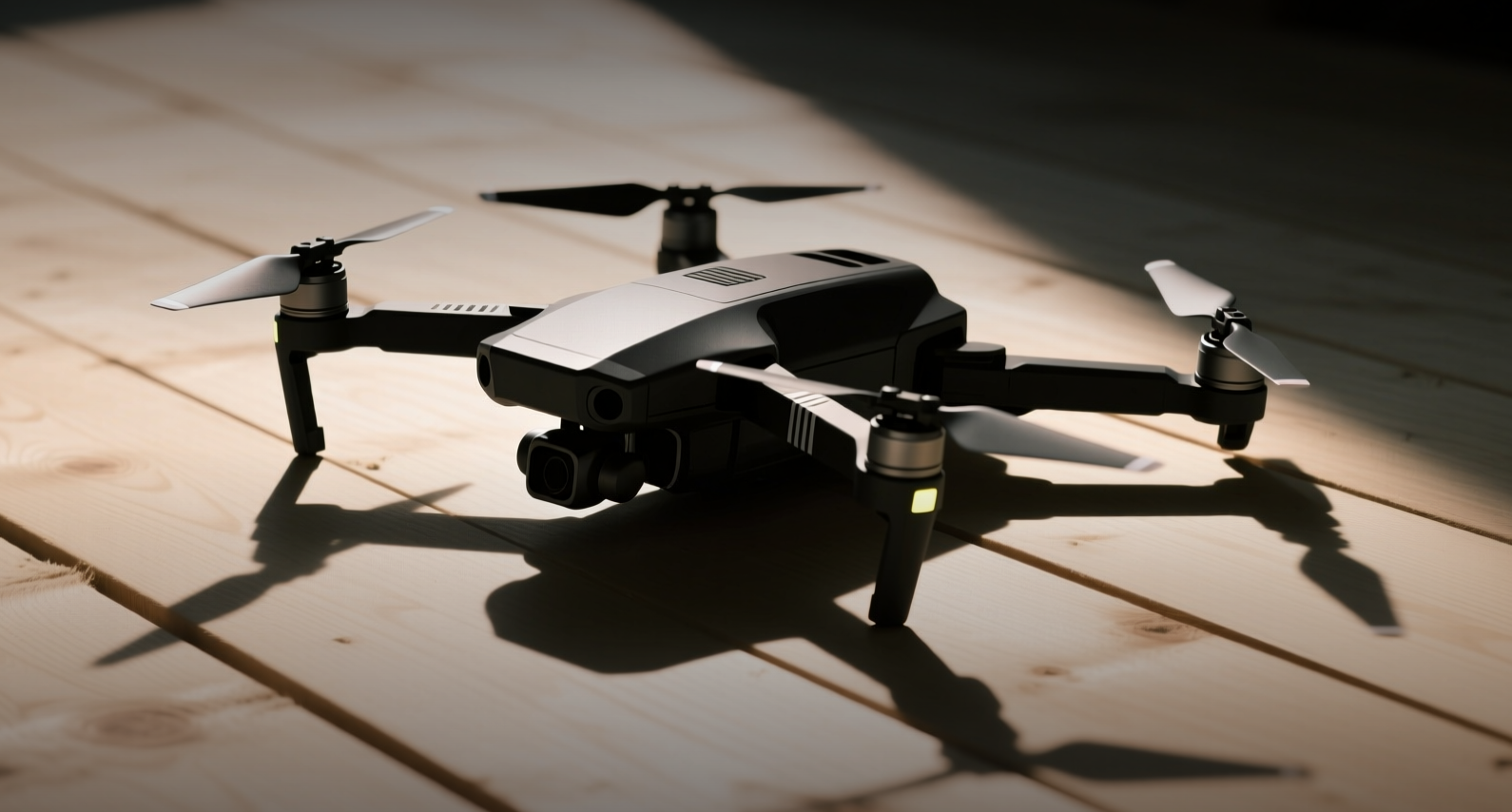
Four drones were shot down near the US Consulate in Erbil on July 21, the latest attack in a campaign that has killed 29 in Iraqi Kurdistan since February.
Four drones were shot down near the US Consulate in Erbil on July 21, extending a campaign that has seen at least 904 drones and missiles fired at Iraqi Kurdistan since late February, killing 29 people and wounding 138. The attack, which caused no casualties, followed a series of recent drone strikes targeting the same US diplomatic facility in the capital of Iraq's semi-autonomous Kurdish region.
"The Iranians have advanced missile technology," said Jordanian Lt. Gen. Qasid Mahmoud, former Deputy Chief of Staff of the Jordanian Armed Forces. "They're developing techniques and capacities to extend their reach, combining with drones to overwhelm radar defenses."
The July 21 incident is part of a broader escalation that has seen Iranian precision-guided munitions evade US and allied air defenses across the region. Earlier this month, two US service members were killed by an Iranian missile strike on the Muwaffaq Salti Air Base in Jordan, while a third died in Iraqi Kurdistan during a controlled detonation of unexploded ordnance from a downed Iranian drone. Nearly 100 American service members have been injured in Iranian strikes on bases across the Middle East in July alone, the Pentagon acknowledged.
The sustained attacks threaten to draw Iraqi Kurdistan deeper into a conflict it has sought to avoid. The region, which has emphasized its neutrality in the Iran war, has nevertheless been targeted repeatedly by Tehran and Iran-backed Iraqi Shia militias. With the US-led coalition scheduled to depart by Sept. 30, the Kurdish autonomous region faces the prospect of losing the air defense coverage that has largely protected Erbil and its airport.
A Decade of Drone Warfare
The use of drones as offensive weapons in Iraqi Kurdistan dates back to Oct. 2, 2016, when the Islamic State group flew an explosive-rigged drone into a Kurdish position, killing two Peshmerga fighters and wounding two French soldiers. That attack foreshadowed a decade of escalating aerial threats. By 2020, Iran-backed Iraqi Shia militias had shifted from short-range rocket attacks on US troops at Erbil airport to drone strikes, and by 2022 Iran was firing ballistic missiles directly at private residences of Kurdish businessmen in the city.
The Peshmerga have long struggled to acquire the air defense systems needed to protect their territory. During the First Iraqi-Kurdish War in the 1960s and 1970s, Kurdish fighters relied on captured Soviet SA-7 shoulder-fired anti-aircraft missiles supplied covertly by Israel and Iran. In the aftermath of the 1991 Gulf War, Kurdish leaders pleaded for FIM-92 Stinger anti-air missiles but received only a US-led no-fly zone instead. That arrangement held until the 2003 invasion of Iraq, but no equivalent protection exists today against drone swarms and precision missiles.
What Comes After the Coalition
The scheduled departure of US-led coalition forces by Sept. 30 raises urgent questions about Iraqi Kurdistan's air defense capabilities. While the US may leave behind point-defense systems to protect critical infrastructure such as the sprawling American consulate in Erbil, the broader airspace would remain vulnerable. Iraq's government has pledged to deploy air defenses to protect vital energy sites in Kurdistan against repeated militia drone attacks, though the credibility of that commitment remains uncertain given Baghdad's complex relationship with Iran-backed factions.
The stakes extend beyond the Kurdish region. The Strait of Hormuz, through which about 21% of global oil trade passes, has already been threatened by Iran in response to US strikes. Any further escalation in Iraq risks disrupting oil production and transit from the country, which holds the fifth-largest proven crude reserves in the world. Brent crude prices have remained sensitive to each new round of attacks, with the geopolitical risk premium embedded in options skew and credit default swap spreads on Iraqi sovereign debt.
This article is for informational purposes only and does not constitute investment advice.
