


Google is entering the premium laptop market with five partners, leaving its largest Chromebook collaborator, Samsung, on the sidelines.
Google is entering the premium laptop market with five partners, leaving its largest Chromebook collaborator, Samsung, on the sidelines.
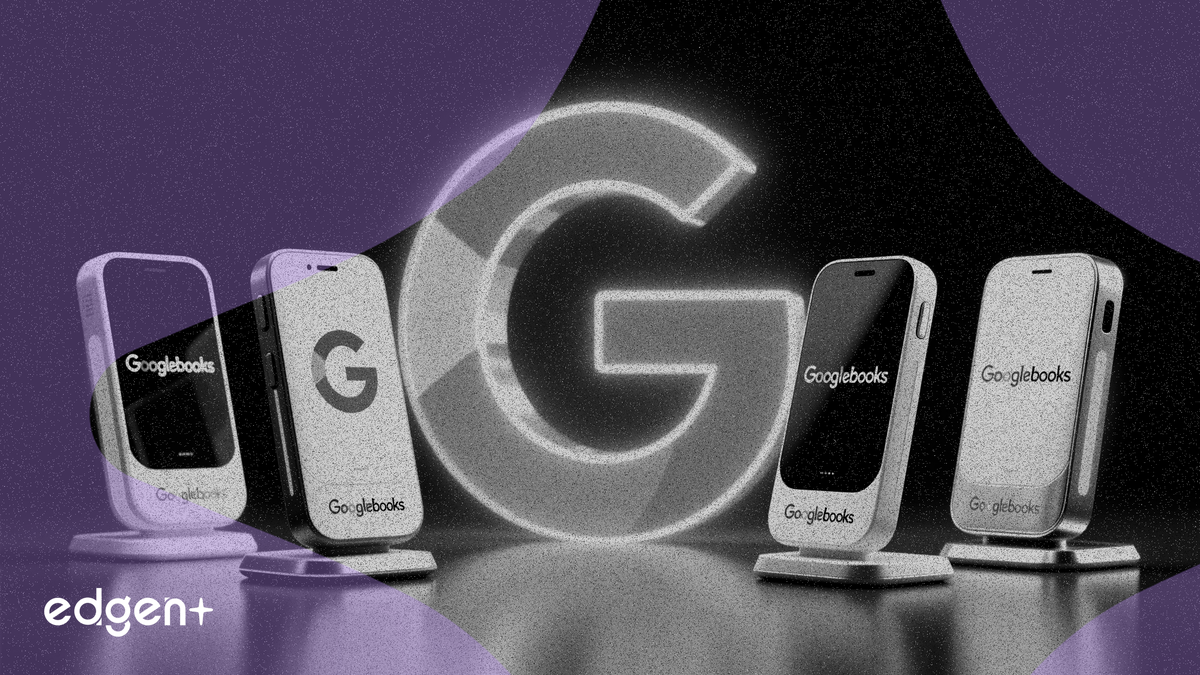
Google is challenging the premium laptop market by partnering with five of the largest PC manufacturers to launch "Googlebooks" this fall, a move that directly targets market leaders Apple and Microsoft while notably excluding its top Chromebook partner, Samsung. The new category of high-end, Android-powered laptops will see initial models from Acer, ASUS, Dell, HP, and Lenovo.
"This new category of Google-powered laptops will have premium designs and run software built on the Android technology stack and the newly announced Gemini Intelligence," a Google spokesperson said during The Android Show I/O Edition. The company emphasized that all models will feature a hallmark "Glowbar" on the lid, though specific form factors will vary by manufacturer.
The initial lineup features every major Chromebook manufacturer except one: Samsung. While Google confirmed that existing Chromebooks will continue to be supported for their full 10-year lifespan, it stopped short of confirming new Chromebook models are coming. The exclusion of Samsung, which produces the premium Galaxy Chromebook Plus, suggests a potential strategic shift in Google's hardware partnerships as it pushes into a higher-margin segment of the PC market.
This collaboration could reshape the competitive dynamics of the roughly $230 billion laptop market. For the five hardware partners, it provides a new avenue to challenge Apple's high-margin MacBook lineup and Microsoft's Windows-based ecosystem without the full burden of developing a new operating system. For Google, it represents a more concerted effort to control the user experience on premium hardware, a strategy that has proven highly successful for Apple.
The move to create a premium, unified brand across multiple manufacturers marks a significant evolution of Google's hardware strategy. Unlike the Chromebook initiative, which focused on affordability and the education market, Googlebooks are explicitly positioned as premium devices. This pits them against not only Apple's MacBooks but also the high-end Windows laptops sold by the very same partners now collaborating with Google.
The most significant detail, however, is Samsung's absence. As the only one of Google's six main Chromebook partners not included in the initial Googlebook launch, the omission is conspicuous. It raises questions about potential channel conflict with Samsung's own Galaxy Book line of premium Windows laptops and its Android-based tablets. This could provide an opening for competitors Acer, ASUS, Dell, HP, and Lenovo to capture market share in the premium Android-powered device space. The first Googlebooks are expected to debut this fall, with pricing and specific configurations to be announced closer to launch.
This article is for informational purposes only and does not constitute investment advice.
