
Once the domain of multibillion-dollar corporations, artificial intelligence is now accessible enough for a local bakery to use it for growth management, signaling a major shift in the technology's application.
Once the domain of multibillion-dollar corporations, artificial intelligence is now accessible enough for a local bakery to use it for growth management, signaling a major shift in the technology's application.
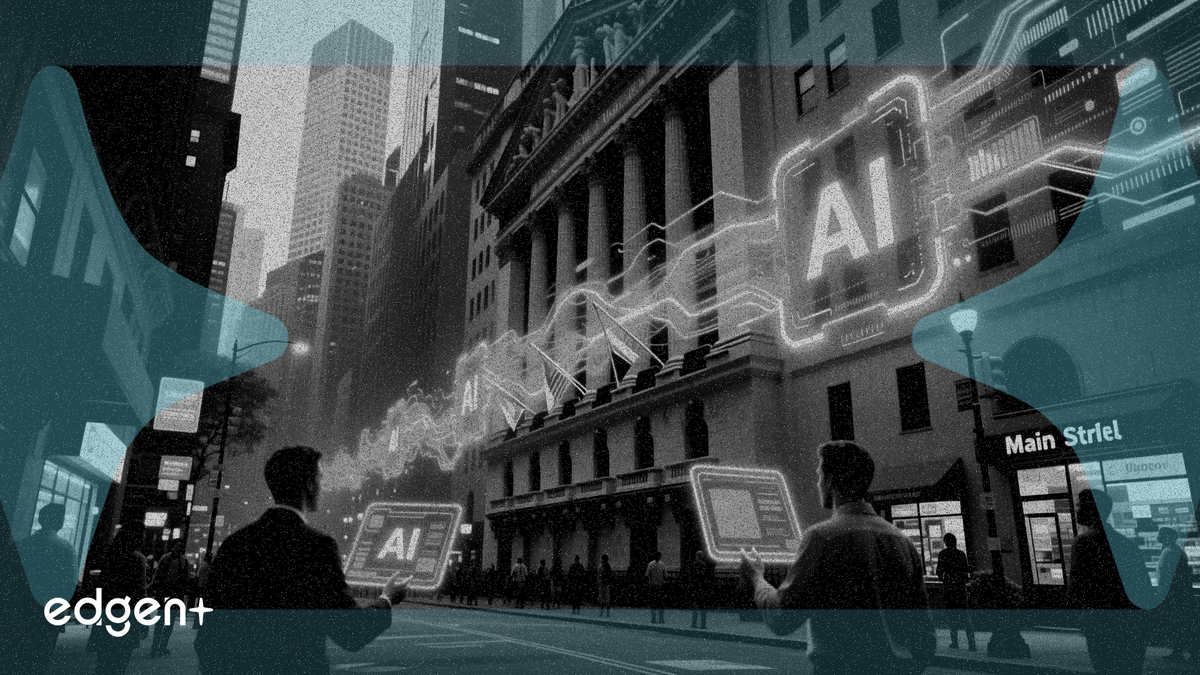
Artificial intelligence is no longer confined to large enterprises, with applications now extending to Main Street businesses like local bakeries analyzing spreadsheets to manage growth. This democratization of AI, moving from complex corporate operations to accessible small business tools, is reshaping industries from the ground up. According to a recent analysis on Forbes.com, this transformation is driven by AI's potential to cut costs, increase margins, and improve efficiency across the board. For investors, this signals a burgeoning market for companies that provide accessible AI tools, potentially creating a new wave of growth opportunities beyond the mega-cap tech giants.
The core of this trend lies in the shift from bespoke, expensive AI systems to scalable, cloud-based solutions offered by companies like Google and Microsoft. This allows a small business, which may lack a dedicated IT department, to use powerful algorithms for tasks that were previously unthinkable. The Forbes.com report highlights five key areas where this transformation is already taking place.
First, predictive maintenance is moving from airlines to any business with critical machinery, using sensor data to forecast failures and reduce downtime. Second, personalized pricing, a long-time practice of airlines like American Airlines, is becoming more granular, with AI tailoring fares based on individual purchasing behavior and history.
Third, customer service is being augmented by AI assistants that can handle rebooking, issue vouchers, and provide real-time updates, especially during large-scale disruptions. Fourth, AI-powered logistics optimization is reducing fuel burn and emissions by calculating the most efficient routes, altitudes, and loading procedures. Finally, automation in operations, from biometric boarding at airports to automated baggage handling, is streamlining complex processes and improving efficiency.
This widespread adoption creates a significant investment landscape. The primary beneficiaries are the large-scale cloud providers that form the backbone of this new AI economy. However, a secondary market of specialized software companies is emerging, building user-friendly applications on top of these platforms for specific industries.
While the technology is becoming more accessible, investors should remain cautious. As seen in the small-cap market, not all technology-focused companies are destined for success. It is crucial to identify companies with strong fundamentals, a clear path to profitability, and a sustainable competitive advantage. The long-term winners will be those who can successfully bridge the gap between the power of AI and the practical needs of businesses, both large and small.
This article is for informational purposes only and does not constitute investment advice.
