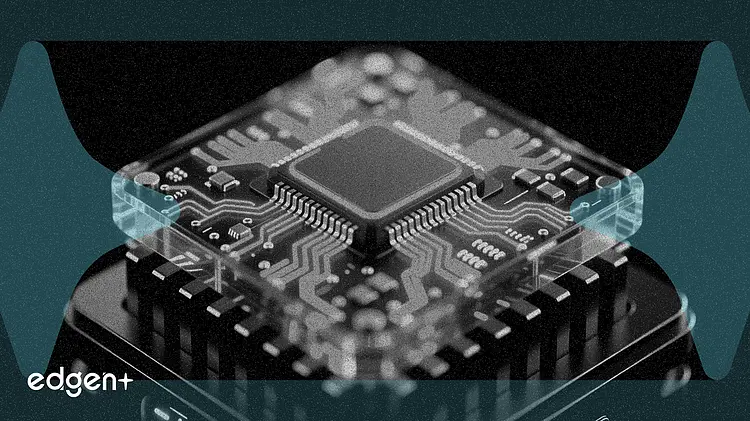
AAC Tech's CoolFan MEMS chip uses piezoelectric thin-film technology to actively cool AI devices, with mass production set for early 2027.

AAC Tech's entry into active cooling for AI hardware threatens to reshape thermal management in smartphones, wearables and data centers, with its CoolFan MEMS piezoelectric chip targeting mass production by early 2027.
The CoolFan series, based on key MEMS piezoelectric thin-film technology, has completed research and development trial production and entered the small-scale pilot production stage, the Shenzhen-based components maker said in a statement. AAC Tech has been working with leading industry clients to jointly define specifications for the MEMS piezoelectric fan products.
The company expects to achieve large-scale mass production and shipments in early 2027, with key client project products set to launch in the first half of that year. The chip can be applied across AI smartphones, smartwatches, XR glasses and various AI-powered smart terminal scenarios. AAC Tech is also working with multiple emerging AI hardware manufacturers to explore additional use cases in XR and robotic dexterous hands.
AAC Tech shares rose 4.5 percent on the news, with short selling volume accounting for 29.9 percent of turnover, signaling investor conviction in the company's thermal management pivot. The MEMS piezoelectric approach offers a fundamentally different cooling mechanism than traditional heat sinks or vapor chambers — using thin-film piezoelectric actuators to drive micro-scale airflow directly over heat-generating components. If successfully commercialized, the technology could capture a portion of the growing thermal management market for AI devices, where rising chip power densities are outpacing passive cooling solutions.
Thermal management as a competitive moat
The cooling challenge in AI hardware is intensifying. Smartphone application processors now exceed 10 watts of sustained power draw during AI inference tasks, while XR headsets require silent, compact cooling solutions that traditional fans cannot provide. Server liquid cooling, another target application, is projected to become a multi-billion-dollar market as data center operators race to cool AI accelerators drawing 700 watts or more per chip.
AAC Tech's existing acoustic and haptic component relationships with major smartphone makers give it an established distribution channel for the CoolFan series. The company did not disclose pricing or unit volume targets for the chip, but the MEMS piezoelectric approach can be integrated at the board level with minimal height addition — a critical advantage in thin-form-factor devices.
The broader competitive landscape includes traditional thermal solution providers such as AVC and Furukawa Electric, as well as emerging MEMS-based cooling startups. AAC Tech's ability to leverage its existing manufacturing scale and customer relationships in the smartphone supply chain could accelerate adoption relative to unproven entrants.
AAC Tech trades on the Hong Kong Stock Exchange at a price-to-earnings multiple in line with other Chinese components suppliers. The CoolFan series represents a potential new revenue stream beyond the company's core acoustics and haptics businesses, which have faced margin pressure amid smartphone market maturation. If the MEMS piezoelectric cooling technology achieves the production timeline the company outlined, it could begin contributing to revenue by the second half of 2027, with broader adoption dependent on customer qualification cycles and competitive pricing versus established thermal solutions.
This article is for informational purposes only and does not constitute investment advice.