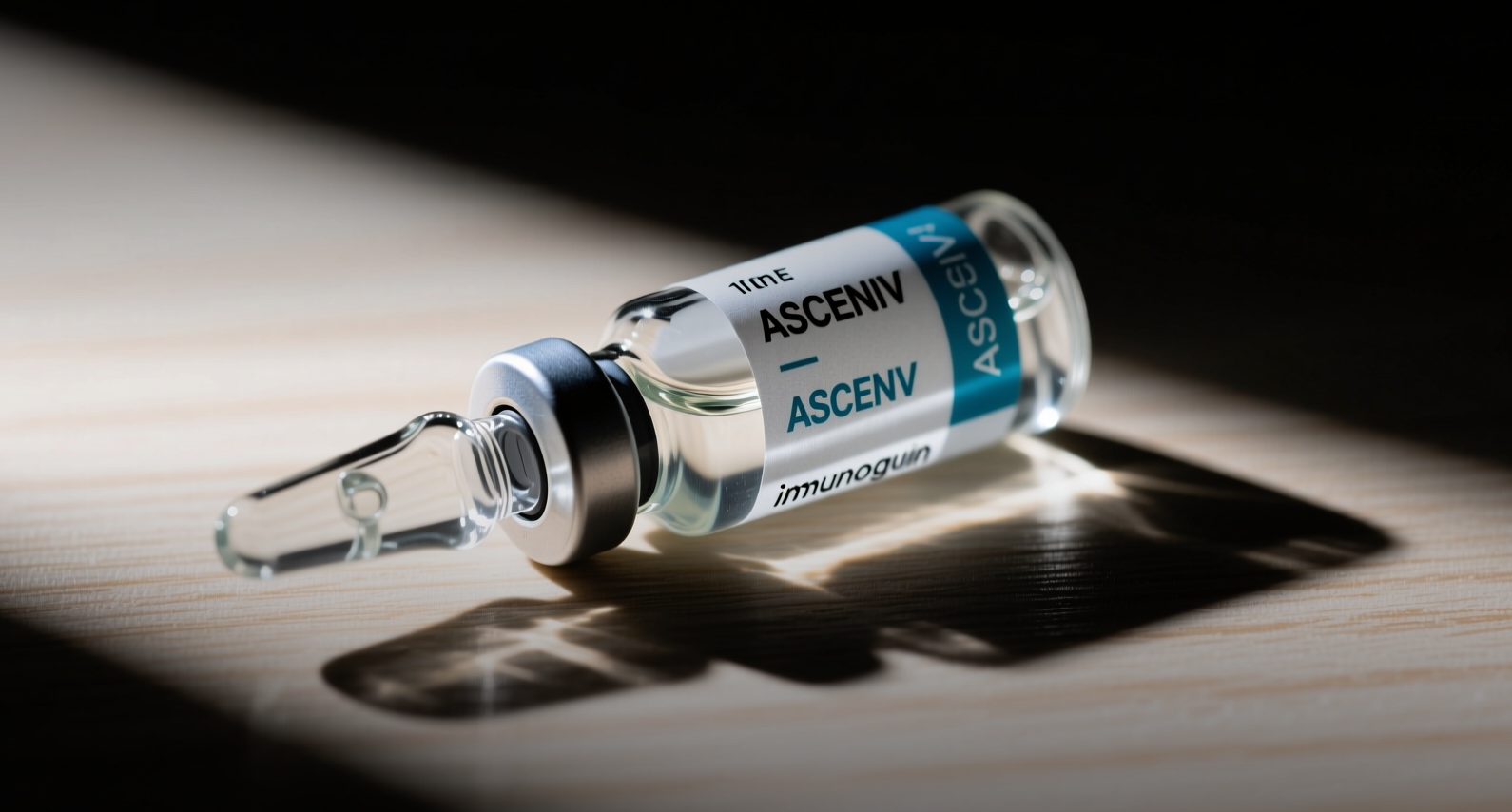
ADMA Biologics Inc. shares plunged 29% over two trading days after an investigative report accused the plasma-derived immunotherapy company of channel stuffing and an undisclosed related-party transaction, triggering a securities fraud class action with an Aug. 10 lead plaintiff deadline.
"ADMA induced one of its largest distributors to stock excess ASCENIV by offering rebates and extended payment terms to meet order expectations," Culper Research wrote in a March 24 report, alleging the company booked revenue from product distributors did not need to pay for. The report claimed ADMA's real 2025 growth was negative 3%, versus the 20% it reported.
The stock fell $3.96 to close at $9.63 on March 25 from $13.59 on March 23, wiping out roughly $1.2 billion in market value. The lawsuit, filed in the U.S. District Court for the District of New Jersey, covers investors who bought ADMA securities between Aug. 9, 2024 and March 25, 2026.
The complaint alleges ADMA engaged in an undisclosed related-party transaction, used channel stuffing to create the appearance of revenue growth, and lacked adequate internal controls. Multiple law firms — including Kessler Topaz Meltzer & Check, Faruqi & Faruqi, and Bleichmar Fonti & Auld — have announced investigations, with the lead plaintiff deadline set for Aug. 10, 2026.
ADMA develops plasma-derived immunoglobulins, antibody therapies for patients with primary immune deficiency diseases. Its lead product ASCENIV, an intravenous immunoglobulin derived from human plasma, generated the bulk of the company's revenue. The company also markets BIVIGAM and RI-002, competing within the $12 billion immunoglobulin market dominated by CSL Behring, Grifols, and Takeda Pharmaceutical.
The Culper report alleged that two high-level employees at one of ADMA's two largest distributors confirmed independently that, starting in 2025, ADMA induced the distributor to stock excess ASCENIV by offering rebates and extended payment terms. This allowed ADMA to book revenue and report growth that was never there, according to the report. Had ADMA not engaged in the alleged scheme, it would have experienced revenue declines of 3% in 2025 instead of the reported 20% growth.
The company reported $300 million in 2025 revenue, according to its most recent filings, but the Culper report alleges that figure was inflated by as much as 23 percentage points through the distributor arrangement. ADMA has not publicly responded to the specific allegations.
For investors, the case raises questions about ADMA's revenue recognition practices and internal controls. If the allegations are substantiated, the company could face regulatory penalties from the Securities and Exchange Commission, shareholder payouts from the class action, and potential delisting risk from the Nasdaq. Other biotech companies with complex distributor relationships — particularly those in the plasma-derived immunoglobulin space — may face increased scrutiny from both regulators and short sellers.
This article is for informational purposes only and does not constitute investment advice.