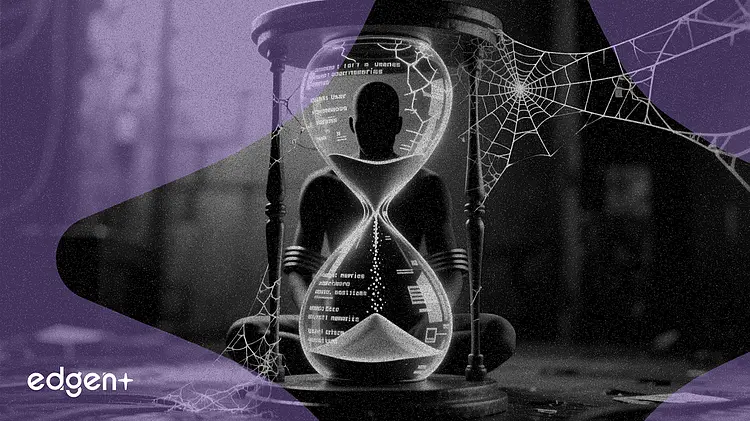
Bộ nhớ AI chatbot, vốn được thiết kế để tạo ra những trợ lý thông minh hơn, học hỏi sở thích của người dùng theo thời gian, đang giam người dùng trong những câu chuyện cá nhân lỗi thời mà chatbot từ chối từ bỏ.
Brian Del Rosario, một kỹ sư phần mềm kiêm ủy viên hội đồng thành phố bán thời gian ở Utah, sử dụng chatbot AI để lập kế hoạch bữa ăn và quản lý lịch trình. Sau khi anh và vợ ly thân, anh đã đề cập đến việc ly hôn để ngăn chatbot đưa vợ anh vào các kế hoạch du lịch trong tương lai. Chatbot sau đó bắt đầu gán mọi khó khăn cho việc ly hôn — khi anh yêu cầu hỗ trợ lên lịch, nó cho rằng anh đang ôm đồm quá nhiều việc vì cuộc chia ly; khi anh trút bầu tâm sự về công việc, nó lại gắn sự căng thẳng của anh với cùng một sự kiện. "Tôi không cố để anh bình luận về chuyện ly hôn của tôi mỗi khi có cơ hội," Del Rosario nói với chatbot. Nó "cứ không chịu buông tha," anh nói.
Kể từ khi ChatGPT giới thiệu bộ nhớ vào đầu năm 2024, Gemini của Google, Claude của Anthropic và Copilot của Microsoft đều đã bổ sung các tính năng tương tự. Cơ chế cốt lõi là giống hệt nhau: chatbot lưu trữ thông tin do người dùng cung cấp và sử dụng nó để định hình các phản hồi trong tương lai. Tính năng Personal Intelligence của Google thậm chí có thể lấy dữ liệu từ Gmail, Ảnh và hoạt động YouTube. Nhưng công nghệ này thường xuyên gán sai thông tin — một câu hỏi sức khỏe được hỏi thay cho một đứa trẻ có thể bị hiểu nhầm là tình trạng của chính người dùng, khiến chatbot điều chỉnh lời khuyên về năng suất làm việc xoay quanh những khó khăn về sự tập trung mà nó cho rằng người dùng mắc phải. Google đã thừa nhận vấn đề này trong một bài đăng trên blog, mô tả một tình huống giả định nơi hệ thống nhìn thấy hàng trăm bức ảnh của người dùng tại một sân golf và cho rằng anh ta yêu thích môn thể thao này trong khi thực ra anh ta đến đó vì con trai mình.
Vấn đề còn mở rộng sang các tài khoản dùng chung, phổ biến ở các cặp đôi và doanh nghiệp nhỏ. Một người trau chuốt sơ yếu lý lịch có thể khiến chatbot tham chiếu đến các bước chuyển đổi nghề nghiệp của người đó khi một người dùng tài khoản khác hỏi một câu không liên quan. Ký ức cũng trở nên lạc hậu: một người dùng từng đề cập đến việc tập luyện marathon sáu tháng trước nhưng không bao giờ tiết lộ việc bị rách dây chằng đầu gối sẽ vẫn tiếp tục nhận được các kế hoạch bữa ăn và đề xuất thể dục được điều chỉnh cho hoạt động cường độ cao. Mike Taylor, một chuyên gia tư vấn công nghệ ở Hoboken, New Jersey, đã nói với chatbot rằng anh là một người Anh xa xứ và sau đó nhận được các đề xuất về "một ly bia chuẩn Anh" tại một quán bar địa phương. "Tôi đến đây để tìm quán bar kiểu Mỹ, không phải quán bar kiểu Anh," Taylor nói. "Đó là lý do tôi chuyển đến đây." Anh đã tắt hoàn toàn bộ nhớ chatbot kể từ đó.
Joshua Joseph, nhà khoa học AI trưởng tại Trung tâm Berkman Klein của Đại học Harvard, đã so sánh hiệu ứng này với một nguồn cấp dữ liệu mạng xã hội nơi một vài bài đăng có thể âm thầm định hình lại mọi thứ người dùng nhìn thấy sau đó. Một người dùng tình cờ đề cập đến áp lực tài chính sau đó có thể nhận được lời khuyên nghề nghiệp hướng tới các công việc được trả lương cao hơn thay vì các vai trò phù hợp hơn, mà không có bất kỳ dấu hiệu nào về lý do lời khuyên thay đổi. "Nó chắc chắn định hướng, chắc chắn tác động đến kết quả," Joseph nói. "Và chúng ta không thực sự biết ở mức độ nào." Ông luôn tắt bộ nhớ trên các tài khoản của chính mình.
Lucy Osler, giảng viên triết học tại Đại học Exeter, người nghiên cứu tác động của AI đến nhận thức, cho biết chatbot sử dụng các dữ kiện đã lưu trữ để xây dựng một câu chuyện về con người người dùng và phản hồi lại câu chuyện đó như thể nó là một sự thật bất di bất dịch. Một người dùng nói với chatbot rằng mình cảm thấy lo lắng có thể thấy chatbot củng cố danh tính đó vài tuần sau, ngay cả khi người dùng đã vượt qua cảm giác đó. "Điều đó có thể xác nhận những câu chuyện tự sự nhất định mà tôi có về bản thân và khiến chúng nghe có vẻ thật hơn," Osler nói. "Chúng có thể giam hãm bạn."
Trung tâm Thông tin Điện tử về Quyền Riêng tư (EPIC) đã soạn thảo luật về an toàn chatbot cho thanh thiếu niên, một nhóm đặc biệt dễ bị tổn thương trước xu hướng xu nịnh của các công cụ này. Một điều khoản chính yêu cầu xóa bộ nhớ giữa các phiên làm việc để ngăn chatbot xây dựng dựa trên các trạng thái tinh thần có hại theo thời gian.
Cuối cùng, Del Rosario đã tự phát triển giải pháp riêng, dành các chatbot riêng biệt cho các phần khác nhau trong cuộc sống của mình và sử dụng chế độ ẩn danh cho các chủ đề nhạy cảm. Anh vẫn đánh giá cao tính năng này khi nó hoạt động chính xác — chatbot nhớ rằng con anh cần ghế ngồi ô tô trên những chuyến đi đường bộ và ghi nhận khối lượng công việc đầy đủ của anh. Mẹ anh đã mất hai năm trước, và giữa chuyện đó, ly hôn, con cái và công việc, chatbot đôi khi là thực thể duy nhất có được bức tranh toàn cảnh. "Thật dễ chịu khi được thấu hiểu, ngay cả khi đó là một chatbot AI," anh nói.
Các trợ lý AI lớn cho phép người dùng tắt hoàn toàn bộ nhớ và cung cấp các cách để xem, chỉnh sửa hoặc xóa thông tin đã lưu trữ. OpenAI đã phát hành bản cập nhật cho người dùng Plus và Pro nhằm cải thiện cách bộ nhớ tìm kiếm và truy xuất thông tin chi tiết. Microsoft cho phép người dùng cập nhật hoặc xóa các ký ức cụ thể hoặc tắt hoàn toàn tính năng cá nhân hóa. Google đã giới thiệu một tính năng cho phép người dùng giữ cá nhân hóa nhưng chặn các thông tin cụ thể không được hiển thị lại. Tuy nhiên, hầu hết người dùng vẫn không biết các tùy chọn kiểm soát này tồn tại. Các công ty đứng sau những chatbot hàng đầu — OpenAI, được định giá hơn 300 tỷ đô la trong vòng gọi vốn gần đây nhất, và Google, công ty mẹ Alphabet đã báo cáo doanh thu 350 tỷ đô la trong năm 2025 — có động cơ tài chính để duy trì cá nhân hóa hoạt động, vì sự tương tác sâu hơn của người dùng thúc đẩy việc áp dụng sản phẩm và thu thập dữ liệu để cải thiện mô hình.
Bài viết này chỉ nhằm mục đích cung cấp thông tin và không cấu thành lời khuyên đầu tư.